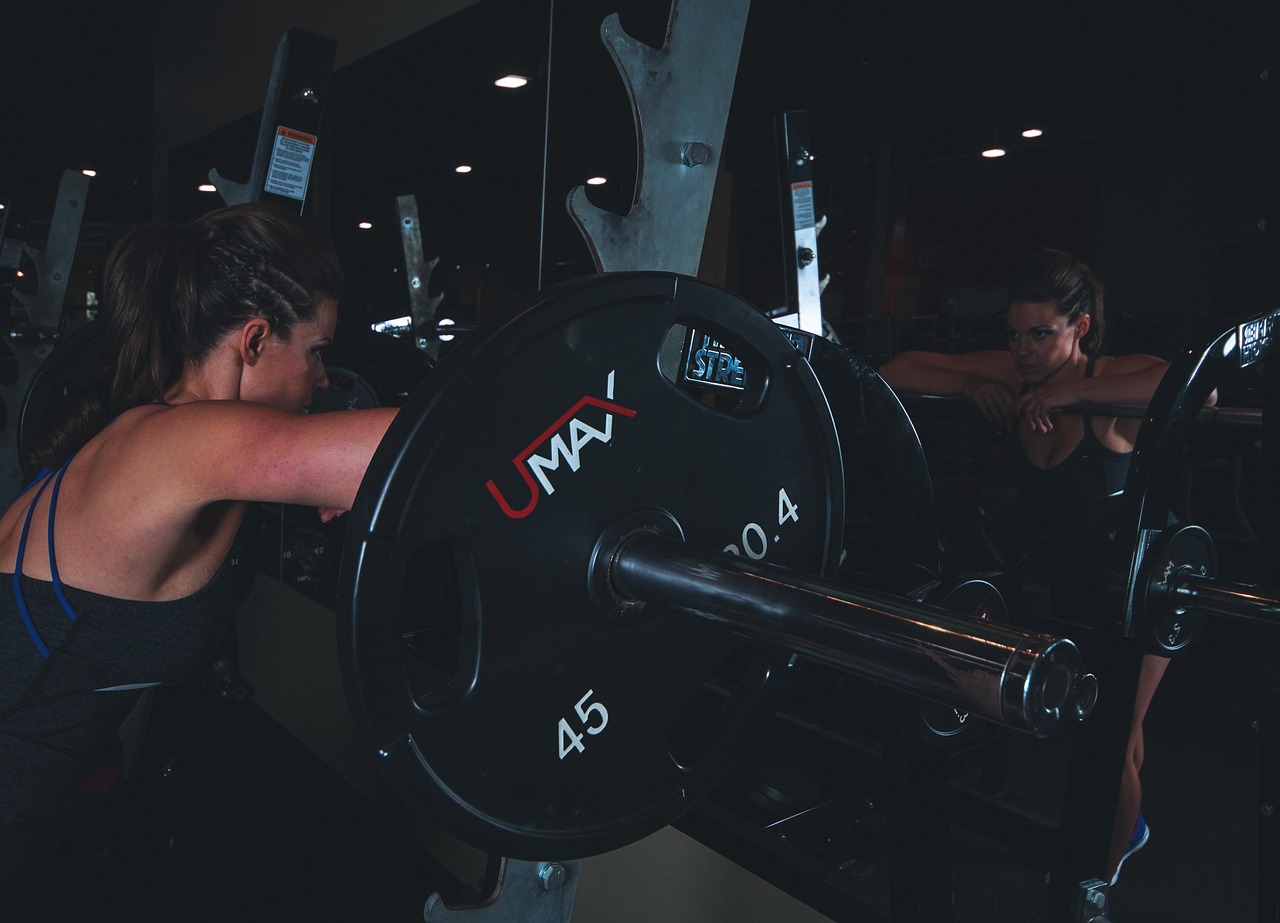

Mirror Reflections: Enhancing Technique in Free Weight Exercises
Using mirrors effectively in the gym plays an essential role in enhancing your workout technique, especially during free weight exercises. They provide visual feedback that allows you to assess your form, alignment, and movement patterns in real time. Observing your body as you perform exercises such as squats, deadlifts, and bench presses can help prevent injuries caused by improper technique and allows you to make necessary adjustments on the fly. Moreover, mirrors can boost your confidence, encouraging you to push limits and maximize your workouts, knowing you’re maintaining good form. Some people, however, may struggle with mirror usage, feeling more self-conscious rather than focused on their progress. This article aims to maximize the benefits of mirror usage, ensuring you’re using the reflection to enhance your workouts effectively. To utilize mirrors properly, ensure that you’re both observing and correcting any mistakes during your workouts. These invaluable insights can significantly improve your strength training results. Learning to synchronize your gains with visual feedback allows effective monitoring of your overall performance and helps you stay motivated. In turn, the mirror should serve as a valuable ally on your fitness journey.
Understanding proper mirror usage is integral to maximizing your free weight workouts. When you approach a mirror, maintain a positive mindset that focuses on improvement rather than on physical appearance. Mirrors can help identify and eliminate bad posture or form before they become ingrained habits. Each repetition should be executed with careful attention, using the mirror as a tool to confirm you’re adhering to the correct technique. For instance, during squats, you can observe your depth and back alignment. Conversely, during overhead presses, mirrors help ensure your arms are above shoulders without overextending your back. Learning to use the mirror positively can also affect how you feel throughout your workout. Feeling good about your progress can foster greater commitment to your fitness journey. Additionally, mirror usage fosters body awareness, enhancing neurological pathways that improve physical performance. This increased awareness leads to safer, more effective workouts. Lastly, consider that mirrors should augment—not replace—coaching or feedback from more experienced gym friends or trainers. Setting your supportive environment can make all the difference in achieving optimal results in your free weight exercises.
Emphasizing Safety and Proper Form
Safety should be at the forefront when using mirrors during workouts. They encourage safe practices by allowing you to observe your biomechanics. This observation is crucial, especially as free weight exercises can pose risks if not performed correctly. Pay close attention to vital points, including spinal alignment and joint positioning. As a beginner, understanding the foundational movements through mirrors can catalyze your learning process. Visual cues help you realize how to assemble your mechanics, contributing to muscle memory development. Building this memory leads to more confident and powerful lifting. Always prioritize alignment over the amount of weight lifted. Focusing on form will promote balanced development while minimizing risk. Also, consider how distraction can hinder your performance. If you’re overly focused on how you appear, you may lose grasp of the technique. Additionally, complacency can erode safety nets. Consistently assessing your form encourages lifelong awareness of your areas for improvement, building back upon the importance of a healthy mindset. Mirrors symbolize continuous progress, urging you to balance appearance with the technical aspects of weight training.
Another pivotal aspect of mirror use in the gym is controlling your emotions and approach to self-perception. Many individuals can experience insecurities or discomfort that arise while exercising in front of mirrors. Redirecting these feelings into productivity can lead to incredible growth both physically and mentally. Emphasizing the workout form rather than aesthetics will shift your mindset into one geared toward improvement and longevity. Highlighting your muscular strengths and imperfections is only a part of a larger journey. Reflecting on your performance should be about embracing the challenges you encounter throughout your training sessions. Establishing support from fellow gym-goers will also enhance your experience. Shared camaraderie can make you feel observed in a positive and encouraging way. Additionally, frequent usage of mirrors can lead to a more natural understanding of strength routines. As you cultivate this understanding, your confidence will flourish. This newfound confidence becomes an integral part of your training regimen. It can propel you to seek greater challenges, knowing you’re pursuing strength while upholding proper form. Your goals can begin manifesting through consistent use of mirrors and embracing your evolving fitness journey.
Enhancing Mind-Muscle Connection
Utilizing mirrors in the gym also significantly enhances the mind-muscle connection, which plays a critical role in effective training. Achieving this connection involves engaging your focus and attention to ensure the targeted muscle group is activated. As you watch your movements unfold in the mirror, visualize the corresponding muscle groups engaging and contracting. This visualization encourages better control, leading to improved efficiency in your workouts. For instance, during bicep curls, pay attention to how the muscles contract as you lift the weights. Observe the details of the movement and refine your technique with each repetition, enhancing your performance not only during workouts but also in everyday activities. Similarly, during squats—focusing on your glutes, hamstrings, and quads will amplify your results. The mind-muscle connection facilitates neural adaptation, which positively affects your strength levels and muscular endurance. Training your mind to engage throughout your workout routines will also drive positive psychology, therefore amplifying adherence to your fitness goals. Establishing a solid connection reinforces habits that translate into enduring fitness principles, fostering growth as you progress on your fitness journey.
Moreover, the role mirrors play in visualizing your progress cannot be overstated. Whether you’re focused on strength training, weight loss, or muscle gain, observing your changes can serve as powerful motivation. Taking time to notice physical changes encourages positive reinforcement, allowing you to celebrate personal achievements. It can also help reaffirm fitness goals—showing how sticking to a consistent regimen leads to visible improvements over time. Consider capturing progress pictures in front of mirrors to document how you evolve across various phases of your training. This captures strength gains and serves as evidence for the hard work you’ve committed to achieving your body goals. However, balancing celebrating these moments with understanding that fitness is a lifelong commitment is vital. Ensure you gauge your success on improvements in performance alongside visual changes. Mirrors can become powerful tools for recognizing both muscle definition and increased strength levels. Your journey can focus on celebrating the process over mere aesthetics, reinforcing healthier habits. In doing so, you will cultivate a more profound appreciation for fitness as a whole, leading you toward a balanced and sustainable healthy lifestyle.
Conclusion: Embracing Mirrors in Your Fitness Journey
In conclusion, incorporating mirrors into your workout routine can enhance your overall gym experience, particularly with free weight training. As you learn to embrace their power, you will ultimately hone your lifting techniques while fostering greater self-awareness. More than a reflection of your physical state, they represent an opportunity for growth and improvement in your fitness journey. Utilize mirrors to assess your form, boost your confidence, and engage the mind-muscle connection that leads to successful workouts. With proper utilization, mirrors help monitor your progress effectively. This leaves you less likely to develop injuries caused by improper form. Additionally, gaining a healthier mindset around your body and performance can also improve your psychological wellbeing. Through conscious effort, mirrors can play a constructive role in harnessing your motivation and commitment to fitness goals. As you evolve in your relationship with mirrors, remember to enjoy the journey itself more than the destination. By effectively using mirrors, you not only refine your techniques but also deepen your connection to your fitness aspirations. Ultimately, consider mirrors allies on your path toward a balanced and fulfilling fitness life.
In summary, mirrors in the gym enhance your technique and build a constructive mindset, essential for maximizing your exercises. Observing your form lead you toward efficient workouts and may also help you avoid potential injuries. By embracing mirrors as tools for improvement while also being mindful of your emotions, you can encourage a healthier relationship with exercise. Shift your focus from appearance to performance and use reflection to build confidence as you strive for your fitness goals. Ultimately, harness the power of mirrors on your journey toward a more profound appreciation for both the physical and mental aspects of fitness. Doing so not only refines your lifting techniques but also promotes a holistic transformation in your overall lifestyle and well-being. Remember, the mirrors in the gym are there to support you on your path, guiding you through every repetition of your free weight exercises while you work toward achieving new heights in your fitness journey.