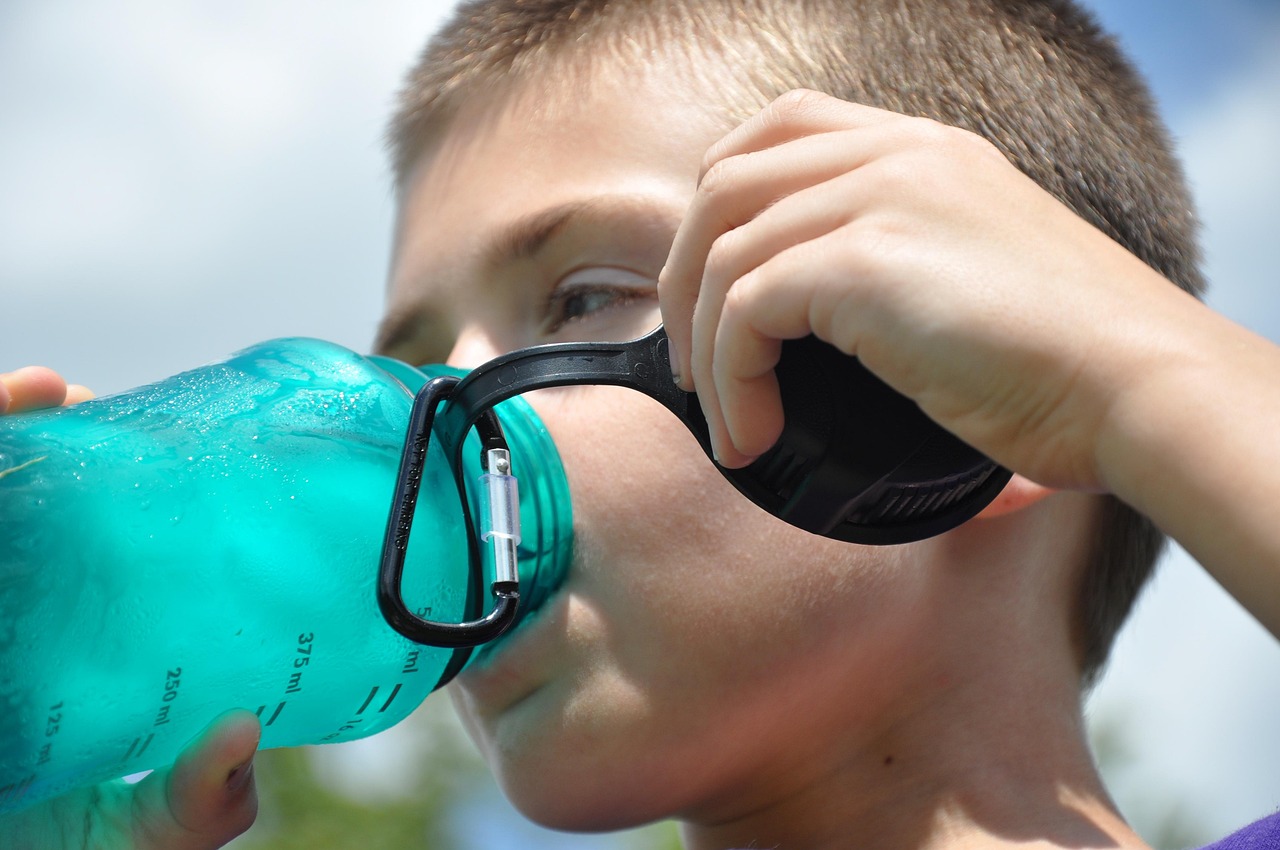

Hydrating Before, During, and After Exercise with Chronic Disease
Staying well-hydrated is essential, especially for individuals managing chronic diseases. Proper hydration supports overall health, including muscle function, joint lubrication, and blood circulation. Moreover, fluid balance influences how well the body copes with exercise stress. Dehydration can lead to fatigue and negatively impact performance. For individuals with chronic conditions such as heart disease, diabetes, or arthritis, staying hydrated becomes even more crucial. Before engaging in exercise, it’s important to consume adequate fluids to prep the body for the upcoming activity. Drink water in moderation while considering any personal dietary restrictions related to the specific chronic disease. This pre-hydration helps facilitate blood flow and maintain energy levels throughout a workout, especially during warmer weather or high-intensity activities. Incorporating electrolyte drinks may also benefit those with higher sweat rates or specific health needs. Tracking fluid intake can aid in adhering to hydration guidelines. The general recommendation is to ensure a fluid intake of at least 16 ounces a few hours prior to exercising. Monitoring urine color can be an effective way to assess hydration status. Adjust hydration strategies according to factors like exercise intensity, duration, and environmental conditions.
During exercise, maintaining hydration is vital for performance and overall health, particularly for those with chronic diseases. Signs of dehydration can manifest quickly, especially when engaging in intense physical activity. Individuals should aim to consume water at regular intervals, approximately every 15 to 20 minutes, based on their needs. Those with chronic conditions might need to pay closer attention to fluid replacement, as certain illnesses can alter thirst signals or kidney function. Carrying a water bottle during workouts ensures easy accessibility and promotes frequent sipping, which is effective in preventing dehydration. Including electrolyte solutions may help restore lost minerals, especially when exercise lasts longer than an hour or occurs in hot environments. Be mindful of individual health status and any recommendations from healthcare providers regarding electrolyte intake. It’s essential to strike a balance, as overhydration can also pose health risks, particularly for individuals on specific medications. Moreover, listening to the body’s signals such as thirst and fatigue provides guidance on when to hydrate. Ultimately, the goal is to find an individualized hydration strategy that aligns with both exercise regimens and health considerations for chronic disease management.
Post-Exercise Hydration for Recovery
Post-exercise hydration is crucial for proper recovery, particularly for individuals living with chronic diseases. After physical activity, the body loses fluids through sweat and respiration. Hence, replenishment becomes necessary to restore optimal fluid balance. Drinking water immediately following exercise helps reduce the likelihood of dehydration. It’s advisable to consume approximately 16 to 24 ounces for every pound lost during workouts. For those engaging in extended or high-intensity workouts, electrolyte beverages can aid in effectively replenishing lost minerals. The combination of hydration and nutrient intake facilitates muscle repair, reduces soreness, and aids overall recovery. Including a healthy snack or meal alongside post-workout hydration promotes a quicker recovery process. Focus on balanced options that include carbohydrates and protein to address energy deficits. Consider individual dietary requirements while ensuring nutritional choices align with managing chronic conditions. Listen to the body’s cues, such as thirst and fatigue, in determining how much fluid to consume. Additionally, staying on top of hydration needs can improve future exercise performance and adherence. Evaluate personal hydration strategies regularly, adjusting as necessary according to factors like activity level, weather conditions, and individual health status.
Many people underestimate the role of hydration in the context of chronic disease management. For individuals affected by conditions such as kidney disease, heart disease, or diabetes, staying hydrated can have distinct implications for health outcomes. Dehydration may exacerbate symptoms or lead to complications like kidney stones or urinary tract infections. Proper hydration can also help stabilize blood glucose levels, making it a crucial factor for individuals managing diabetes. Therefore, personalized hydration plans should be developed in consultation with healthcare professionals to ensure that they align with specific medical needs. It’s important to maintain open communication regarding one’s hydration strategy and how it integrates with overall healthcare goals. Knowing the signs of dehydration, like dry mouth or fatigue, can prompt timely interventions. Also, consider environmental factors like temperature and humidity, as they can greatly influence fluid needs. Maintaining a consistent hydration schedule, particularly with chronic diseases, aids in managing symptoms effectively and promoting overall well-being. Encourage support from family and friends to develop healthier hydration habits. Education about hydration’s role in daily life can also empower individuals in making informed choices for improved health and fitness outcomes.
Tips for Effective Hydration
When focusing on hydration while managing chronic diseases, developing effective strategies can simplify the process. Start by setting daily hydration goals tailored to individual needs, consulting healthcare providers for personalized advice. Carrying a reusable water bottle provides a constant reminder to drink water throughout the day. Infusing water with fruits or herbs can make hydration enjoyable and more appealing. Track water intake using apps or journals to maintain awareness of consumption patterns. Different beverages also serve hydration purposes, but it’s essential to choose wisely. While plain water is the best choice, unsweetened teas and certain juices can contribute to fluid intake. However, opt for low-sugar or electrolyte-infused drinks when necessary. For those on restricted fluids due to certain conditions, measuring intake becomes even more critical. Incorporating hydrating foods, like fruits and vegetables, further boosts hydration efforts. Monitor how different foods and fluids affect health. Encouragement from support networks can motivate adherence to effective hydration practices. It’s about finding enjoyable ways to stay compliant without compromising health. Ultimately, consistent efforts in staying hydrated will lead to more successful management of chronic diseases while enhancing fitness and exercise outcomes.
As awareness of the importance of hydration increases, many individuals are looking for ways to adopt better practices in their daily lives. While exercise plays a vital role in improving health, understanding the connection between hydration and chronic disease management is equally important. Establishing a routine that integrates sufficient water intake before, during, and after exercising is beneficial for long-term health. Recognizing personal hydration needs and adjusting them according to various factors can ensure balance. Communities and healthcare providers can play an essential role in advocating hydration initiatives, offering educational resources, and organizing activities promoting fluid intake. Awareness campaigns can help highlight hydration’s role in physical fitness and overall health, targeting specific groups managing chronic diseases. Consider hosting workshops or seminars to share best practices related to hydration, exercise, and chronic disease management. Building a support network fosters accountability and provides encouragement during challenging times. Whether through social gatherings or online platforms, sharing success stories can motivate others to prioritize hydration and wellness. Overall, implementing these community-based initiatives can inspire behavioral changes leading to better health outcomes for individuals living with chronic conditions and a more active lifestyle.
Conclusion
In conclusion, prioritizing hydration is vital for individuals with chronic diseases, especially when engaging in physical activity. Staying well-hydrated helps to enhance exercise performance, supports overall health, and aids in managing chronic disease symptoms. Developing personalized hydration strategies requires a comprehensive understanding of individual needs and consulting healthcare professionals. Establishing hydration routines before, during, and after exercise lays the foundation for effective health management. Encourage healthy hydration habits within communities to spread awareness and support those facing chronic conditions. Incorporating enjoyable practices can make the process of staying hydrated more engaging. Individuals should consistently evaluate their hydration strategies, adjusting as necessary based on personal circumstances and feedback from the body. Emphasizing education, support networks, and community initiatives will significantly enhance the likelihood of maintaining positive hydration habits. As knowledge around the importance of hydration continues to grow, it is essential to utilize available resources and implement practical strategies that align with health goals. Ultimately, regular hydration contributes to a better quality of life for individuals managing chronic diseases, empowering them to lead fulfilling and active lifestyles.
In conclusion, prioritizing hydration is vital for individuals with chronic diseases, especially when engaging in physical activity. Staying well-hydrated helps to enhance exercise performance, supports overall health, and aids in managing chronic disease symptoms. Developing personalized hydration strategies requires a comprehensive understanding of individual needs and consulting healthcare professionals. Establishing hydration routines before, during, and after exercise lays the foundation for effective health management. Encourage healthy hydration habits within communities to spread awareness and support those facing chronic conditions. Incorporating enjoyable practices can make the process of staying hydrated more engaging. Individuals should consistently evaluate their hydration strategies, adjusting as necessary based on personal circumstances and feedback from the body. Emphasizing education, support networks, and community initiatives will significantly enhance the likelihood of maintaining positive hydration habits. As knowledge around the importance of hydration continues to grow, it is essential to utilize available resources and implement practical strategies that align with health goals. Ultimately, regular hydration contributes to a better quality of life for individuals managing chronic diseases, empowering them to lead fulfilling and active lifestyles.