
How to Build Lean Muscle on a Vegetarian Diet
Building lean muscle on a vegetarian diet requires careful planning and a good understanding of nutrition. Vegetarian athletes can achieve impressive strength and conditioning by consuming a variety of plant-based proteins and nutrient-dense foods. Key components include legumes, nuts, seeds, whole grains, and dairy or dairy alternatives if desired. It’s crucial to balance macronutrients effectively; protein should be prioritized, while carbohydrates provide the energy needed for workouts. Energy levels can be effectively maintained through whole grains such as quinoa, brown rice, and oats. These grains also offer additional health benefits, including fiber for digestion. Healthy fats, found in avocados, olive oil, and nuts, are essential for hormone production and recovery. Maintaining sufficient caloric intake is necessary to support muscle growth; under-eating can hinder progress. Finally, hydration plays a pivotal role in muscle function and recovery, so keeping hydrated is vital. Regularly tracking macronutrient intake can help ensure that you meet your goals and make adjustments as necessary, maximizing muscle gains while following a plant-based lifestyle.
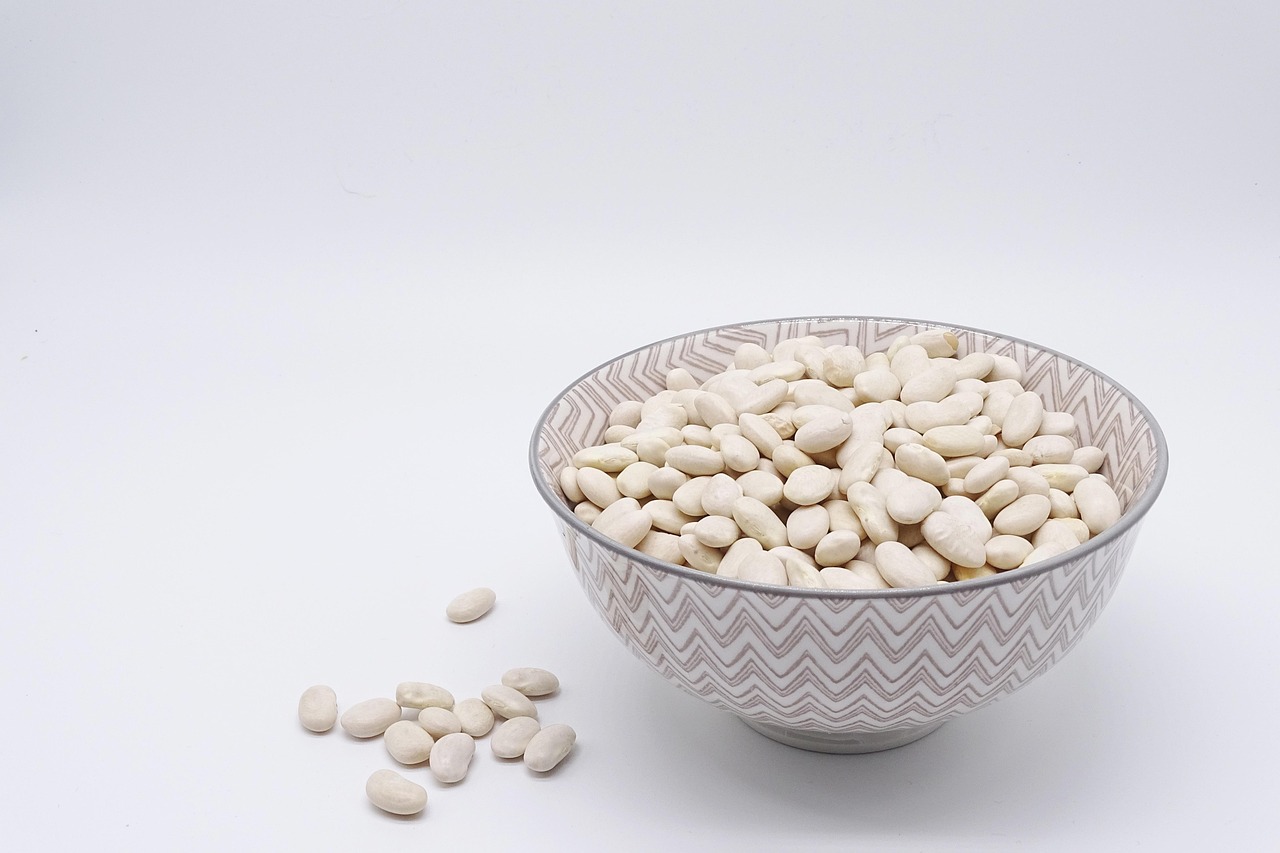
Protein sources need to be diverse to provide all essential amino acids. Legumes, such as lentils, chickpeas, and black beans, are excellent protein sources. They can be consumed in meals as main dishes, sides, or snacks, offering protein alongside fiber and essential nutrients. Additionally, nuts and seeds provide healthy fats and protein that are beneficial for recovery and overall health. Foods like chia seeds and hemp seeds contain complete proteins, essential for muscle repair and growth. Incorporating dairy products—if included in your diet—can also be a practical way to boost protein intake while enjoying delicious options like yogurt and cheese. Plant-based protein powders can supplement dietary requirements as needed, especially after workouts. When using these powders, ensure they are of high quality and free from unnecessary additives. Combining different protein sources is a preferable way to balance amino acids. For example, pairing rice with beans creates a complete protein profile, serving as a practical dish. Planning meals around these combinations encourages muscle development, ensures satiety, and contributes to overall health.
An effective vegetarian diet for muscle building also incorporates a variety of vitamins and minerals. These nutrients play vital roles in recovery, energy production, and overall health. Iron, for instance, is crucial for oxygen transport within the body, impacting performance and endurance. Good sources of iron for vegetarians include lentils, spinach, quinoa, and fortified cereals, paired with vitamin C-rich foods like citrus fruits to enhance absorption. Calcium is essential for bone health and muscle function; dairy sources and fortified plant-based alternatives can fulfill these needs. Magnesium, found in leafy greens, nuts, and seeds, supports muscle contraction and relaxation, preventing cramps during workouts. Additionally, B vitamins are critical for energy metabolism. To ensure adequate intake, focus on a colorful diet, incorporating various fruits and vegetables that provide antioxidants to combat inflammation and aid recovery. Furthermore, consider discussing supplementation with a healthcare provider for nutrients like Vitamin D and B12. This tailored approach enhances overall nutrient levels, ensuring your body receives the required support for optimal workout performance and muscle gains.
Meal Timing and Frequency
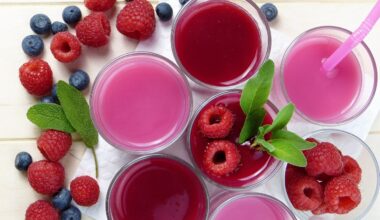
Meal timing significantly impacts muscle gain and recovery. Consuming protein and carbohydrates after workouts can facilitate muscle repair and growth, making timing crucial. Aim to consume a meal or snack rich in protein within 30 to 60 minutes post-exercise. This can include a fruit smoothie with protein powder or a hearty grain salad with chickpeas. Eating more frequently throughout the day can also help achieve adequate caloric intake and nutrient density. Consider having five to six smaller meals instead of the traditional three larger meals, ensuring a steady supply of energy. Snacking on high-protein foods, such as hummus with vegetables or nut butter on whole-grain toast, can bridge the gap between meals effectively. Ensure that meals and snacks are well-balanced, focusing on carbohydrates for quick energy and protein for muscle recovery. Consistent meal timing helps regulate metabolism and may prevent unhealthy snacking or consuming empty calories. Maintaining this schedule comprehensively supports muscle gain while aligning with a vegetarian lifestyle, aiding long-term performance and health.
Strength training is a cornerstone of building lean muscle on a vegetarian diet. While nutrition is essential, an effective workout regime cannot be overlooked. Engaging in progressive resistance training can yield optimal muscle growth. Aim to incorporate a balanced routine that targets all major muscle groups, using various exercises such as squats, deadlifts, and bench presses. These compound movements utilize multiple muscle groups, stimulating growth in multiple areas simultaneously. Incorporate bodyweight exercises and resistance bands if access to a gym isn’t available. Aim for 3-4 strength training sessions weekly, allowing adequate rest for muscle recovery. It’s vital to maintain proper form during workouts to avoid injuries and maximize effectiveness. Monitor progress by gradually increasing weights or intensity over time, encouraging your muscles to adapt and grow stronger. Coupling workouts with appropriate nutrition, as previously discussed, will provide the body with the building blocks for ongoing development. Lastly, incorporating flexibility and mobility exercises can prevent injuries and enhance performance, ensuring a well-rounded fitness approach that aligns with a vegetarian lifestyle.
Staying motivated on a vegetarian journey to build lean muscle can be challenging. Setting specific, achievable goals helps create a focused fitness path. Write down your objectives and establish timeframes, such as gaining a certain amount of muscle over months or improving lifts in a certain exercise. This accountability invites progress and provides direction. Joining a community, whether online or in person, consisting of fellow vegetarian athletes can offer valuable support and motivation. Sharing experiences and recipes fosters camaraderie, helping to overcome any hurdles faced. Celebrating small victories along the way creates a sense of accomplishment, reinforcing commitment to a vegetarian lifestyle. Monitoring daily progress, adjusting goals as necessary, and seeking feedback on workouts can keep passion alive. Additionally, exploring new recipes or workout programs prevents monotony, making the journey enjoyable. Understanding the unique dietary requirements of vegetarianism will equip individuals with the knowledge necessary to thrive. Invest in resources like cookbooks, nutrition guides, or workshops focusing on plant-based nutrition tailored for fitness enthusiasts. This knowledge will empower a sustainable and healthy lifestyle, ultimately leading to success in gaining lean muscle.
Conclusion
In summary, building lean muscle on a vegetarian diet requires a multifaceted approach involving nutrition, exercise, and motivation. Adequate protein intake from diverse sources such as legumes, nuts, seeds, and dietary supplements is essential for muscle repair and growth. Ensuring adequate caloric intake through frequent meals and strategic pre- and post-workout nutrition can greatly enhance performance and results. Incorporating a well-structured strength training program will promote continuous muscle development, supported by flexible lifestyle choices that enable adherence to dietary goals. It is also vital to embrace a holistic perspective, focusing on overall health, energy levels, and well-being. The support of a community and the establishment of achievable goals will keep the journey motivating and fulfilling. Additionally, regularly seeking knowledge about plant-based nutrition can provide the tools needed to thrive. Proper hydration and micronutrient intake further bolster progress and recovery. Ultimately, with consistency and dedication, vegetarian athletes can successfully build lean muscle while enjoying the benefits of a compassionate and health-focused lifestyle.