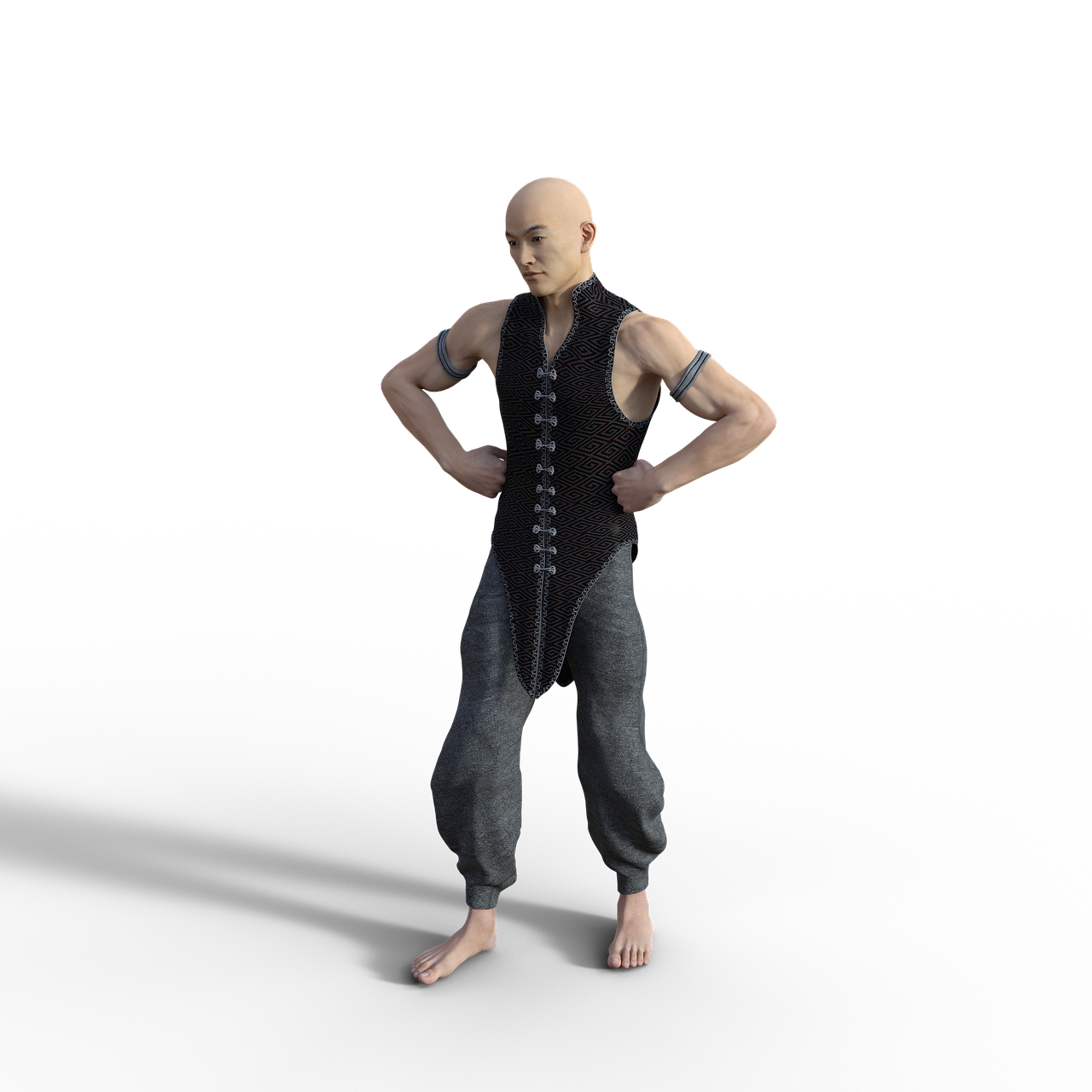

How to Build Endurance with Kung Fu Training
Building endurance is vital for martial artists, especially those practicing Kung Fu. This ancient art form demands a high level of fitness to execute complex techniques and forms with fluidity. To enhance endurance, practitioners should focus on both cardiovascular and muscular stamina. One effective method for boosting endurance is through interval training, which involves alternating periods of high-intensity exertion with rest. For instance, engage in intense drill sessions followed by brief recovery periods. Incorporating traditional Kung Fu forms as part of the warm-up and cool-down can elevate both physical and mental stamina.
Another essential training tool is the inclusion of plyometric exercises. These explosive movements, such as jumps and bounding, help improve the fast-twitch muscle fibers, critical in martial arts performance. A consistent regimen might include exercises like squat jumps or clap push-ups, which build both power and endurance. Combining these with endurance-focused activities like running or cycling can enhance overall stamina. Practitioners should also be mindful of their hydration and nutrition, as proper fueling greatly contributes to maintaining energy levels throughout training sessions. Ensure you consume adequate carbohydrates and proteins for optimal performance.
Breath Control and Endurance
Breath control is another fundamental aspect of building endurance in Kung Fu training. Proper breathing techniques can significantly influence performance, allowing practitioners to maintain energy during prolonged sessions. Incorporate exercises that focus on deep, diaphragmatic breathing. Techniques such as inhaling deeply through the nose and exhaling slowly through the mouth can help in managing fatigue. Additionally, practicing forms while synchronizing movements with breath can teach practitioners to control their energy output effectively. A rhythmic breathing pattern prolongs stamina levels, crucial in sparring and long-form demonstrations.
Moreover, integrating shadowboxing into your routine can enhance both endurance and skill. This practice not only builds cardiovascular fitness but also allows for the exploration of techniques without the need for partners. Shadowboxing sessions should progressively increase in length and intensity, mimicking real match conditions. Incorporate footwork and defensive maneuvers for a comprehensive workout. Regularly practicing with different music tempos can also sharpen rhythm, timing, and stamina. Complement this by practicing hitting pads or bags, which reinforces punching and kicking endurance while improving overall conditioning.
The Role of Flexibility
Flexibility training is often overlooked, yet it plays an essential role in Kung Fu endurance. Improving flexibility not only enhances overall performance but also prevents injuries which can interrupt training programs. Incorporate dynamic stretches into warm-ups, focusing on the legs, hips, and shoulders. After training, static stretches help maintain flexibility and recovery. Activities like yoga can effectively complement traditional training by improving balance and flexibility, leading to a better range of motion during actual practice. Increased flexibility contributes to quicker recovery and sustained endurance.
Consistency is vital in all aspects of training; therefore, creating a balanced schedule is essential. Integrate strength training, endurance conditioning, skill drills, and flexibility exercises throughout the week to engage the body fully. Aim to train multiple times per week with a focus on varying intensities to maximize endurance gains. Moreover, incorporating rest days is crucial, as recovery strengthens muscles and prevents overtraining. Listening to your body and adjusting training loads accordingly is key to building lasting endurance in a sustainable manner.
Conclusion and Implementation
In conclusion, building endurance through Kung Fu training requires a multifaceted approach. By combining interval training, plyometrics, breath control, and flexibility, practitioners can enhance their stamina effectively. Incorporate these elements consistently while ensuring a balanced regimen that respects recovery needs. Keep track of your progress and adjust as necessary to build an effective training plan tailored to your skills and endurance goals. Engage with a community of practitioners or seek guidance from experienced instructors, as collaboration can foster motivation and sharing of techniques.
Lastly, always remember that determination and persistence will lead to improvements. Mastery in Kung Fu is a gradual journey, and every step taken towards enhancing endurance will prove beneficial in the long run. Celebrate small victories along the way and stay committed to your training. As you progress, you will find not only an improvement in your physical capabilities but also an enhancement in your mental resolve. With dedication and the right approach, building endurance in Kung Fu training can achieve phenomenal results.