
How Poor Wardrobe Choices Can Affect Your Competition Score
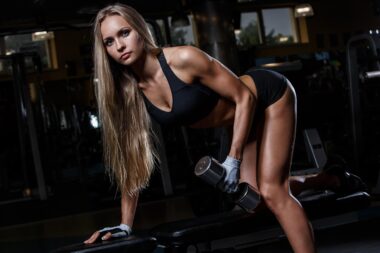
When participating in bodybuilding competitions, competitors must recognize that wardrobe selections play a significant role in overall success. Choosing inappropriate outfits can lead to distractions and affect how judges perceive athletes. For instance, overly baggy clothing might obscure muscle definition, undermining the displays that participants have worked tirelessly to achieve. Similarly, bright colors or distracting patterns can steal the spotlight, making it challenging for judges to focus on body aesthetics. Competitors should consider wearing more form-fitting attire that emphasizes physique and allows judges to gauge progress accurately. Unfortunately, many newcomers often overlook the importance of fit during their initial preparatory stages. Not only does wardrobe impact visual appeal, but it also influences each competitor’s confidence level. An outfit that makes an athlete feel uncomfortable can detract from their performance. Selection of materials also matters; fabrics should allow for easy movement without hindering poses. In conclusion, athletes must prioritize their wardrobe decisions as these selections can significantly affect their outcomes in competitions while sending a message about their commitment to their craft.
Competitors often underestimate the importance of color and its psychological effects during bodybuilding competitions. Wearing colors that do not complement skin tone can lead to poor visual feedback during the performance. For example, overly dark attire on a competitor with lighter skin may create an unbalanced appearance, impacting the overall aesthetic. On the other hand, natural and earthy colors usually pair well with various skin tones, often received positively by judges. Transitioning to competing with colors that flatter one’s physique can boost confidence and create a harmonious presence on stage. It should be noted that competitive attire should also adhere to event regulations, as some competitions enforce strict guidelines regarding colors and styles. Ignoring these regulations can lead to disqualifications or penalties, which further emphasizes the significance of proper wardrobe choices. Ultimately, athletes should engage in research regarding color theory and its impact on perception, ensuring their selected colors will work favorably for them. By focusing on strategic color choices, competitors can enhance their visual effects, helping them stand out positively during competitions.
Another critical aspect of wardrobe choice is the importance of fabric type and overall quality. The materials athletes choose should not only be visually appealing but functional as well. For instance, synthetic fabrics that are breathable may offer better performance during intense competitions compared to heavier materials. Lightweight fabrics can amplify the impact of muscle definition while wicking moisture away, providing comfort and confidence during performances. Conversely, poor-quality materials can lead to wardrobe malfunctions, such as rips or tears, which can disrupt a performance. Competitors must ensure their chosen outfits not only look great but also withstand the rigors of competition. Investing in high-quality garments might seem costly at first but can provide significant returns in confidence and performance. Additionally, prior practice in competitive attire will allow athletes to understand how their clothing behaves, ensuring smooth dynamic movements during routines. Adequate preparation can unveil a multitude of wardrobe opportunities. In sum, athletes should prioritize both the visual and functional aspects of their wardrobe, allowing competitors to showcase their hard work and dedication with style.
Avoiding Common Wardrobe Pitfalls
Many competitors fall victim to common mistakes associated with wardrobe choices, such as neglecting to pay attention to fit. Ill-fitting attire can hinder movement, negatively impacting posing and overall performance. For example, loose clothing may hinder judges’ ability to appreciate the precise muscle tone achieved through rigorous training. On the contrary, overly tight outfits can lead to discomfort, further detracting from a competitor’s performance. It can be beneficial to practice in the outfit well before the competition, ensuring that it allows for a full range of motion and reduces errors caused by wardrobe discomfort. In addition to fit, athletes must consider how their movements affect the outfit during the routine. They should avoid any attire that may shift or move unnaturally during displays. Furthermore, preparation routines should include practicing poses and transitions in the chosen wardrobe, ensuring the combination of performance and attire is cohesive. Last but not least, reviewing past competition videos can provide helpful insights into wardrobe mishaps other athletes have encountered, guiding competitors in their journey to avoid similar downfalls.
Proper grooming and presentation should accompany wardrobe choices when competing in bodybuilding events. Athletes cannot overlook the value of personal grooming, for it complements the impressions made by outfits. Adhering to proper grooming standards enhances overall appeal, allowing judges to focus on muscular aesthetics rather than imperfections. Additionally, competitors should ensure their skincare routine aligns with competition day preparation, maintaining a polished appearance on stage. A well-groomed athlete showcases commitment, discipline, and readiness to take on the competition, allowing judges to appreciate their overall presentation. Collaborating with experienced fellow competitors or professional stylists can provide additional insight into grooming standards in the bodybuilding world. Attention to detail regarding hair, makeup, and skin products is equally important for female athletes, as these elements should harmoniously blend with the chosen wardrobe. Athletes must ensure their looks remain consistent throughout the competition accessorials. By approaching grooming and presentation holistically, competitors can ensure they maximize the impact of their wardrobe, confidently showcasing their skills and efforts in bodybuilding competitions.
Another often-overlooked wardrobe consideration is the impact of logos or branding on attire selection. Wearing outfits adorned with erratic logos can lead to distractions during performance, potentially drawing judges’ focus away from the athlete who worked hard to showcase their physique. Competitors should avoid sporting overly recognizable logos, as these may clash with competition guidelines or distract the audience. Instead, athletes can opt for discreet branding that maintains a professional look while ensuring compliance with event regulations. This ensures that the judges maintain focus on the physical attributes of the competitor instead of any potentially distracting imagery. Furthermore, impressive branding does positively impact an athlete’s image; selections should strike an ideal balance between visual appeal and exhibiting professionalism. Competitors should also keep in mind that additional branding may influence the style of the outfit, thus affecting the overall aesthetic. In summary, selecting outfits that mindfully consider logos and additional dynamic elements can significantly improve competitors’ performances and strengthen their stage presence.
Final Thoughts
In conclusion, wardrobe choices can profoundly influence a competitor’s success in bodybuilding competitions. Poor decisions can distract, diminish confidence, and even lead to unfavorable judgments from professionals. Hence, athletes must prioritize their attire by establishing a strategic wardrobe that supports their physique and complements their strengths. Through proper planning, thorough research about colors, fit, and fabrics, competitors can identify outfits that resonate with their self-esteem and confidence. Furthermore, acknowledging grooming and branding elements ensures a cohesive and polished appearance that can captivate judges. Collaboration with experienced individuals in the field can enhance insights, minimizing mistakes and fostering stronger competition readiness. Ultimately, embodying the responsibilities associated with wardrobe choices will empower athletes to maximize their potential, showcase their dedication, and strive for successful outcomes in essence. With careful preparations and respect for the art of competition, athletes can transform their performance and secure their desired results on stage.
Participation in bodybuilding competitions requires a multifaceted approach that extends beyond physical conditioning. A significant factor is the choice of suitable wardrobe, and neglecting this aspect can lead to poor competition outcomes. Each element of a competitor’s attire should be strategically selected, considering the appearance desired, comfort level, and specific requirements of the event. Additionally, engaging in mock competitions can help athletes visualize their stage presentation and overall impact before the actual event. This rehearsal can enhance comfort with their chosen wardrobe, allowing athletes to adjust fit or colors if necessary. Furthermore, understanding what works collaboratively with a competitor’s personal brand is invaluable, as it can create a lasting impression during competitions. In conclusion, taking the time to analyze wardrobe choices and their broader implications can significantly aid athletes in navigating the complexities of bodybuilding. Bodybuilding competitors should elevate their game by focusing on their wardrobes alongside their training, creating a well-rounded approach that increases their likelihood of success while showcasing their hard work.