
How Important Is Hydration During Pregnancy Workouts?
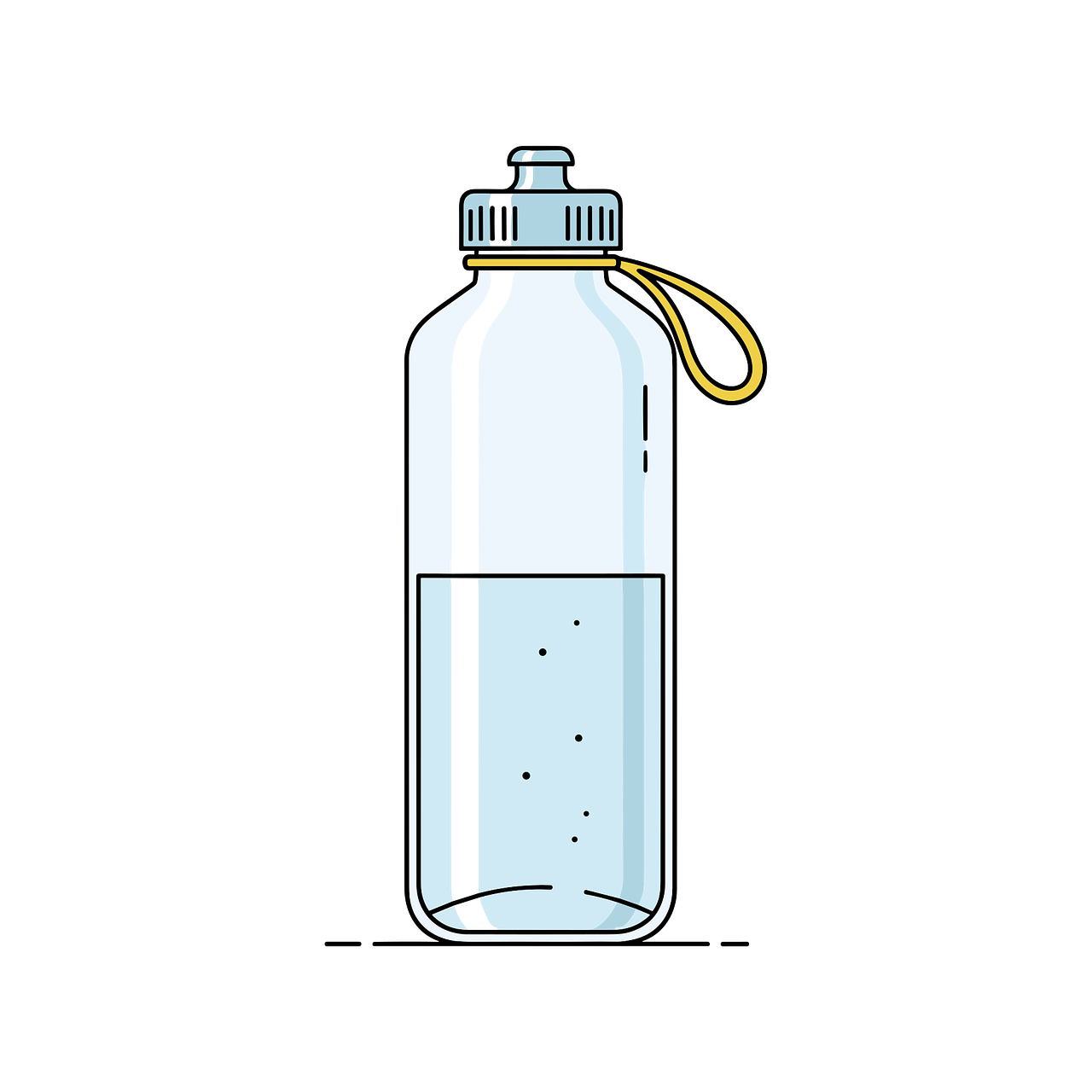
Staying hydrated during pregnancy workouts is crucial to ensure both mother and baby maintain optimal health. Dehydration can lead to fatigue, dizziness, and overheating, which may complicate exercise efforts. For pregnant individuals, the body’s need for water increases due to higher blood volume and metabolic demands. Regular hydration supports healthy blood circulation, essential for delivering nutrients to the developing fetus. Pregnant women should pay attention to their bodies and drink water before, during, and after workouts. Proper hydration can also enhance physical performance and energy levels. Some women find it beneficial to carry a water bottle during workouts to ensure continuous access to hydration. Moreover, factors like workout intensity, environmental temperature, and duration significantly affect hydration needs, making individual assessments vital. Understanding the signs of dehydration during pregnancy can help women make informed decisions regarding fluid intake. By recognizing symptoms like dry mouth or excessive thirst, pregnant individuals can successfully address hydration issues. Thus, adequate hydration is a key aspect of a healthy pregnancy and workout routine. Overall, staying well-hydrated fosters a safe and enjoyable exercise experience throughout pregnancy.
During workouts, women may wonder how much water they should consume to stay properly hydrated. A useful guideline is to drink at least 8 to 12 ounces of water every 15-30 minutes when exercising. This amount helps replenish lost fluids due to sweat and prevents dehydration. Additionally, it’s essential to consume water before starting any physical activity, as it prepares the body for exertion. Women should also consider their specific circumstances, such as the intensity of the workout, climate conditions, and individual perspiration rates. For tracking hydration status, many pregnant athletes use urine color as an indicator: pale yellow indicates good hydration, while dark yellow suggests the need for more fluids. In addition to plain water, other hydrating options include electrolyte drinks, as they replace vital minerals lost during exercise. They can be particularly helpful during longer workouts where sweat loss is significant. Nevertheless, it’s always advised to consult a healthcare professional before introducing new hydration supplements. By being proactive and knowledgeable about fluid intake, pregnant women can ensure that they make the best decisions regarding hydration during their workouts.
Hydration plays a significant role in regulating body temperature. This is especially relevant during pregnancy when women often experience increased body heat due to hormonal changes. Maintaining a stable body temperature during workouts is vital for preventing overheating, which could harm both mother and baby. Drinking hydrating fluids helps the body cool down effectively during exercise, reducing the likelihood of heat-related illnesses. Pregnant women should be aware of their surroundings while exercising, especially in hot and humid weather, as these conditions can intensify the risk of overheating. Cooling methods can also include wearing breathable fabrics and exercising during cooler times of the day. Ensuring proper hydration during hotter months is critical for health and overall comfort. Additionally, pregnant women should listen to their body signals and stop exercising if they feel excessively hot or fatigued. They must remain vigilant about their hydration status and adjust their fluid intake accordingly. Ultimately, proper hydration management significantly contributes to the body’s ability to cope with heat stress, ensuring a safer and more enjoyable exercise experience during pregnancy.
Signs of Dehydration During Pregnancy
Recognizing dehydration signs can be especially beneficial for pregnant women engaging in exercise. Symptoms include constant dry mouth, feelings of dizziness, fatigue, and infrequent urination. Dry skin and headaches are also common indicators of a need for increased hydration. Pregnant women should prioritize fluid intake and responsive behaviors to these signals to prevent complications. For instance, those who feel excessively thirsty during workouts should take immediate action and drink water. It’s essential to understand that sweating more than usual can also lead to increased water needs. Engaging in moderate to intense exercise may intensify the need for hydration. Moreover, maintaining awareness of personal factors such as diet can impact hydration levels. Consuming water-rich foods, like fruits and vegetables, can help improve fluid balance. Thus, incorporating such foods into meals enhances hydration status and overall well-being. Creating reminders to drink water or setting hydration goals can also be helpful strategies. Women can track their fluid intake and ensure they meet hydration needs throughout pregnancy while exercising regularly.
It is essential to develop a personal strategy for hydration within fitness routines. Each pregnancy is unique, and what works for one person may differ for another. Establishing a consistent pattern for fluid intake is crucial; pregnant women can proactively plan hydration around fitness sessions. Establishing a hydration schedule ensures water is consumed effectively before, during, and after workouts. It can be beneficial to drink at least two glasses of water two hours before exercising. For water intake during the workout, women can sip small amounts to stay refreshed without feeling bloated. Post-exercise hydration should also not be overlooked: drinking water after physical activity helps restore lost fluids. Incorporating other healthy beverages, such as coconut water or homemade electrolyte drinks, can add variety to hydration routines. Monitoring how fluid intake affects energy levels and workout performance can further refine personal strategies. After establishing a solid routine, adjusting hydration strategies as needed will help optimize workouts and maintain health. Thus, being actively involved in creating a hydration plan enhances the overall fitness experience during pregnancy.
While hydration is crucial, it is not the only factor contributing to the effectiveness of workouts during pregnancy. Ensuring proper nutrition plays a vital role in overall fitness. Eating balanced meals rich in vitamins, minerals, and proteins supports energy levels and enhances workout performance. Foods like fruits, vegetables, lean proteins, and whole grains provide essential nutrients that work together with hydration. It is also necessary to avoid excessive caffeine and sugary drinks, as they can negatively impact hydration. Moderation is key, ensuring that nutritional choices align with hydration needs for optimal exercise outcomes. Another aspect to consider is the type and intensity of physical activity. Low-impact exercises may have different hydration needs compared to more vigorous workouts. Understanding body responses to various exercise types can lead to smarter hydration planning. By combining balanced nutrition with consistent hydration practices, pregnant women are better equipped to maintain their fitness levels safely. Overall, working to achieve harmony between hydration and nutrition fosters an enjoyable exercise journey through pregnancy.
The Bottom Line on Hydration for Pregnancy Workouts
Ultimately, proper hydration during pregnancy workouts is a key component of maintaining health and safety. Hydration ensures effective circulation, temperature regulation, and energy levels. As women navigate their unique fitness journeys during pregnancy, understanding hydration’s role can significantly impact overall well-being. Additionally, recognizing the signs of dehydration and developing personalized hydration strategies can help women feel more in control of their fitness goals. This journey involves exploring different fluids, nutrition plans, and workout types. Experimenting with hydration and regularly assessing individual needs allow pregnant individuals to refine their approaches. Seeking advice from healthcare professionals can further guide hydration practices and fitness-related choices. Overall, fostering a connection between hydration and exercise provides a foundation for a healthier pregnancy experience. Pregnant women can feel empowered to stay active by prioritizing hydration while reaping the benefits. With a proactive approach to workouts and hydration, women can embrace their physical capabilities and nurture their health during this vital period. By integrating knowledge of hydration into workouts, pregnant individuals cultivate lasting habits beneficial to their health, fitness, and well-being.
In conclusion, hydration during pregnancy workouts is essential for both maternal and fetal health. It supports the body’s increased demands, enhances performance, and prevents complications that may arise from dehydration. Pregnant women should take a thoughtful approach toward their hydration, ensuring that their fluid intake aligns with their exercise regimen. A combination of water consumption, nutrient-rich foods, and awareness of personal hydration needs will lead to a more enjoyable exercise experience. Engaging in regular physical activity while maintaining hydration can ultimately contribute to a healthier pregnancy. With the right knowledge and strategies, women can confidently embrace their fitness goals while safeguarding their health and that of their baby. As each pregnancy is different, personalization of hydration practices will best serve individual needs. Hence, seeking advice from healthcare professionals is always recommended to ensure that hydration and exercise routines are safe and effective. Women should remember that hydration is just one piece of the wellness puzzle during pregnancy, and focusing on overall lifestyle choices can greatly impact their pregnancy journey. Embracing hydration as a priority can transform workouts into empowering, health-promoting activities that benefit both moms and their babies.