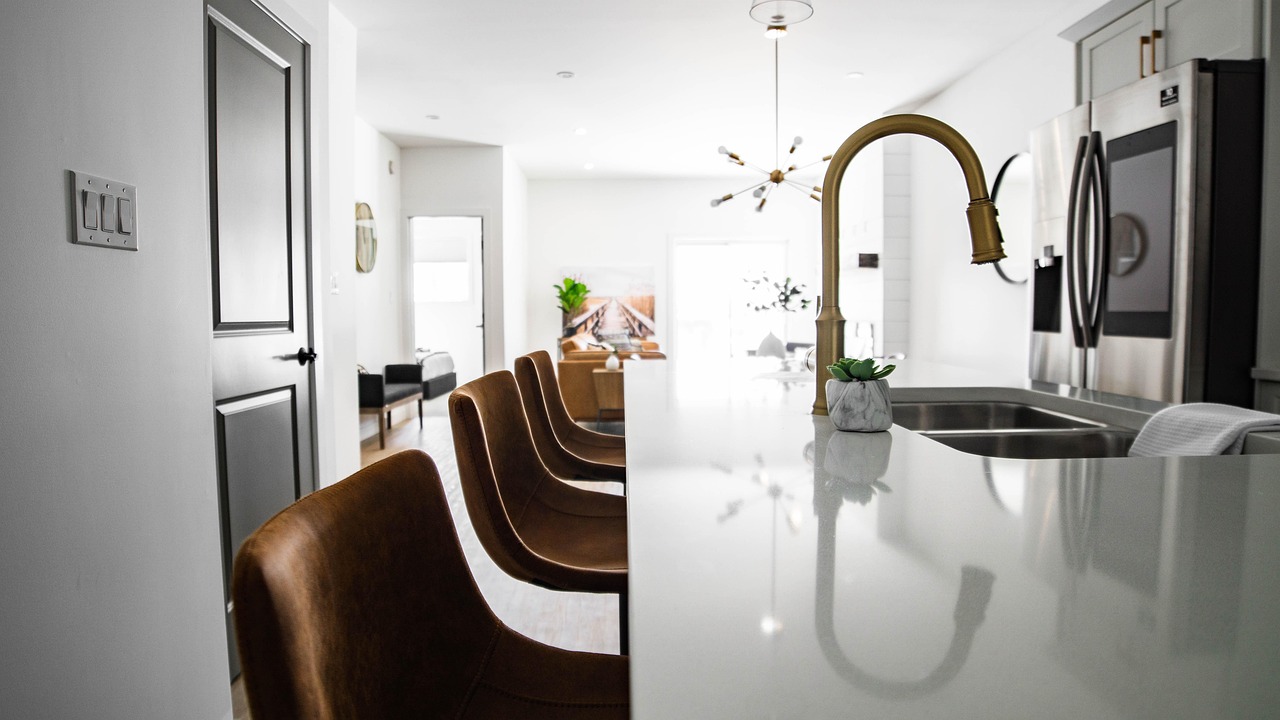

Designing Healthy Kitchens in Eco-friendly Homes
Creating healthy kitchens is essential for promoting well-being and sustainability in eco-friendly homes. A kitchen designed with health as a priority reduces exposure to harmful materials, and enhances the cooking experience. For instance, choosing non-toxic materials for cabinetry and countertops can minimize indoor air pollution. Opting for low-VOC paint also significantly contributes to a healthier environment. When selecting appliances, look for energy-efficient models that reduce carbon footprints while saving on utility bills. Another vital aspect is proper ventilation to eliminate excess moisture and airborne pollutants in the kitchen. Natural ventilation through windows or mechanical systems is crucial. Additionally, incorporating plants can enhance air quality and offer aesthetic benefits. When it comes to flooring, sustainable options like bamboo or recycled tiles can minimize environmental impact while providing durability. These choices not only contribute to the kitchen’s health-centric goals but also create a welcoming space for family meals. Lastly, integrating natural light into the design boosts mood and productivity, contributing further to the kitchen’s overall wellness impact. A well-designed kitchen thus serves as a cornerstone for a healthy home lifestyle.
Utilizing Sustainable Materials
When it comes to green building, choosing sustainable materials is crucial. Eco-friendly kitchen renovation includes materials that are renewable, recycled, or sustainably sourced. Bamboo is a popular choice due to its rapid growth and hardness, making it an excellent option for cabinets and flooring. Recycled glass tiles are another remarkable innovation, offering beauty while preventing waste from significant landfills. For countertops, consider reclaimed wood, recycled composites, or glacial granite for both durability and sustainability. It’s important to ensure that the materials selected are free from toxic chemicals that can lead to air quality problems. Stone products like slate or limestone can also be a suitable option if sourced responsibly. The environment benefits significantly from these choices, as it helps reduce deforestation and pollution. Additionally, using low-emission adhesives and finishes can further improve indoor air quality. When making selections, looking for certifications such as FSC (Forest Stewardship Council) ensures the materials have been responsibly sourced. Furthermore, discussing these options with designers or contractors who specialize in green building will provide insights into achieving the best balance between aesthetics and sustainability.
Innovative designs in kitchen layout can significantly improve functionality and promote eco-friendly practices. An efficient kitchen layout minimizes unnecessary waste and enhances the cooking experience by utilizing the available space effectively. For instance, the work triangle design—consisting of the stove, refrigerator, and sink—maximizes workflow, reducing energy consumption during meal preparation. An island can provide additional workspace and encourage social interaction, while also serving as a place for recycling bins, blending sustainability into daily life seamlessly. Centralizing storage for spices, utensils, and appliances close to work zones further optimizes the layout for efficiency. Allowing for adequate pathways is critical to prevent accidents and ensure a tidy workspace. Open shelving made from sustainable materials can reduce the need for excess cabinetry, allowing for better airflow and a lighter feel in the kitchen. By incorporating a composting station within easy reach, you promote recycling and reduction of food waste. Consider including storage for reusable containers, encouraging a shift from single-use plastics. Furthermore, using sliding cabinet doors can save space and help maintain a minimalist aesthetic characterized by contemporary eco-friendly designs.
Choosing Energy-Efficient Appliances
Another crucial aspect of designing eco-friendly kitchens is selecting energy-efficient appliances. These appliances not only help in conserving energy but also contribute to a sustainable kitchen environment. Energy Star rated products are recommended for their reduced energy consumption and they often come with a detailed product lifecycle analysis. For instance, energy-efficient refrigerators, ovens, and dishwashers have modern technology that minimizes energy use while maximizing performance. Choosing appliances with variable settings allows users to customize their energy use based on their cooking habits. Induction cooktops, which are generally more efficient than traditional electric or gas stoves, can significantly lower cooking time and energy costs. Additionally, high-efficiency washing machines can save both water and electricity, further complementing the eco-friendly kitchen design. It is wise to also note that some appliances integrate smart technology for monitoring energy consumption in real time. Furthermore, considering the placement of appliances to leverage natural light can lessen the dependency on electrical lighting, promoting a more sustainable living. Ultimately, investing in high-quality, energy-efficient appliances pays off long-term through savings and environmental benefits.
Lighting plays a pivotal role in the overall design and sustainability of your kitchen. Not only does it enhance aesthetics, but it also affects energy efficiency. Opting for LED lighting fixtures can drastically reduce energy consumption compared to traditional bulbs. These fixtures have longer life spans and contribute minimal heat, which can also decrease cooling costs in warm weather. Consider using natural light as much as possible; strategically placed windows and skylights can illuminate the kitchen during the day, reducing the need for artificial lighting. Installing dimmer switches allows flexibility in illuminating the space based on activity, further enhancing efficiency. Additionally, lighting under cabinets can prevent shadows and illuminate workspace effectively, creating a welcoming environment for cooking and gathering. Pay attention to the color temperature of the lighting to achieve the desired ambiance. Lower color temperatures create a warmer atmosphere, while cooler temperatures can energize the space. Moreover, integrating lighting controls ensures that lights are only used when needed. Using timers for outdoor lighting, for instance, can significantly conserve energy. Smart home lighting systems can provide further control and convenience associated with energy use in a modern, eco-friendly kitchen.
Enhancing Indoor Air Quality
Improving indoor air quality is a fundamental aspect of creating a healthy kitchen environment. Sources of indoor pollution can include cooking fumes, volatile organic compounds released from finishes, and poor ventilation. Prioritizing effective ventilation systems is essential; exhaust hoods can remove harmful particles generated during cooking. Choosing a range hood with high airflow capacity effectively captures indoor contaminants, while models with integrated filters reduce energy waste. Additionally, the incorporation of air-purifying plants can further enhance air quality. Houseplants such as spider plants and peace lilies are known for their air-cleaning properties, making them marvelous additions to kitchens. Regularly inspecting kitchen appliances for leaks or improper operation can minimize safety hazards and help maintain quality. Using environmentally safe cleaning products further reduces exposure to toxic chemicals. Furthermore, proper moisture control through dehumidifiers or exhaust systems mitigates the risk of mold growth. Considering the placement of kitchen furniture to optimize air circulation can also contribute towards better indoor air quality. Ultimately, focusing on factors that improve air quality should be central to any sustainable kitchen design.
Finally, integrating smart technology in kitchen designs can enhance efficiency and promote eco-friendly practices. Smart kitchens utilize technology to provide better control over energy and water usage, facilitating sustainable living without sacrificing convenience. Smart appliances can alert users to items that are nearing expiration, helping reduce food waste significantly. Touchless sink faucets not only minimize water use but also promote hygiene by lessening contact points. Incorporating smart thermostats enables easier monitoring and adjustment of temperatures based on kitchen activity. Additionally, voice-activated devices can assist in meal prep while also managing cooking times to reduce energy waste. Having automated systems allows homeowners to schedule appliances to run during off-peak hours, saving both cost and energy. Moreover, having easy access to digital cookbooks or sustainable recipes can motivate daily healthier meal preparations and sharing. Smart sensors can provide information on energy and water consumption, helping families make informed choices. In conclusion, embracing these technologies can transform a conventional kitchen into a hub of sustainable practices that promote health and environmental care.