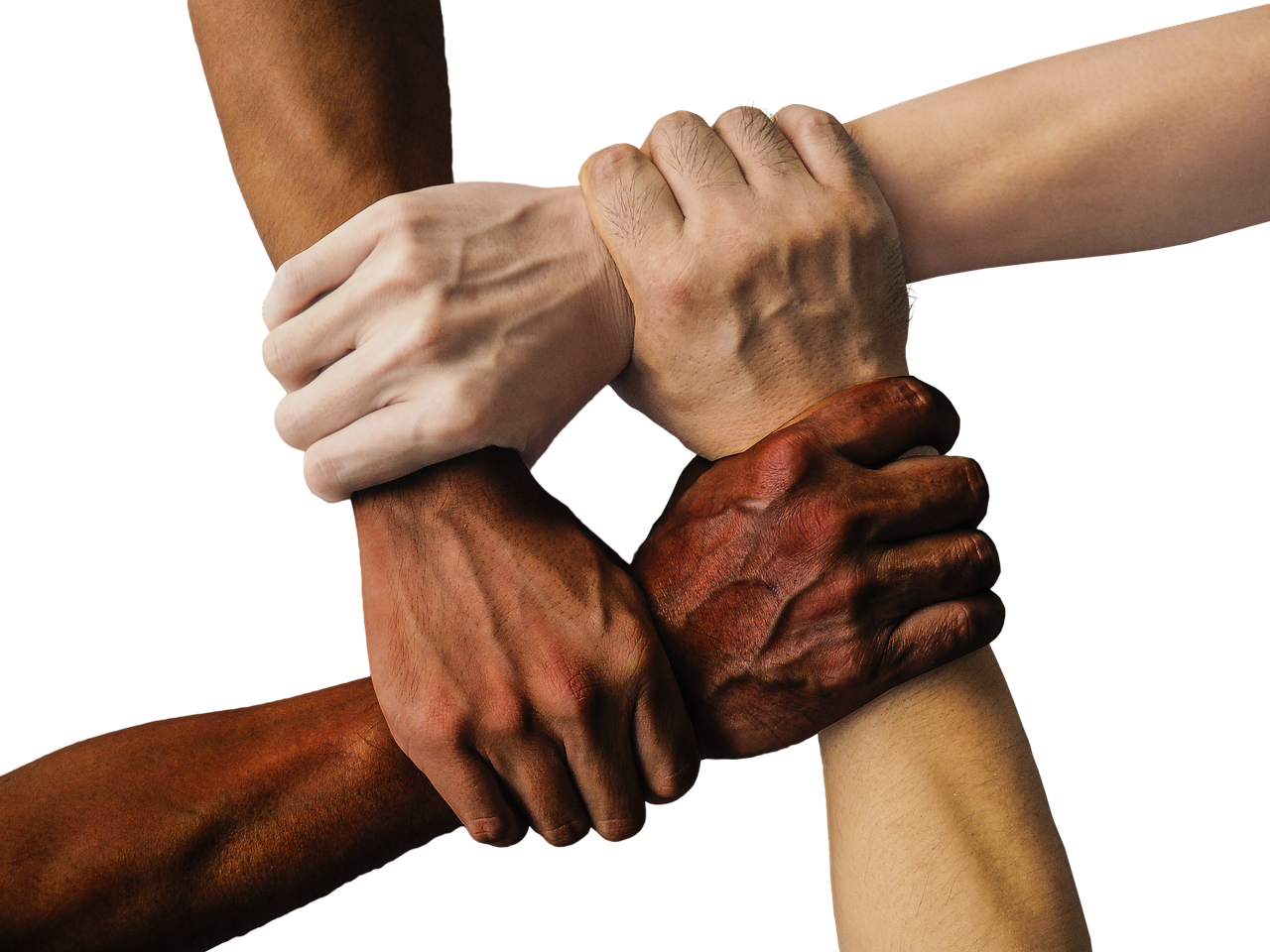

Creating a Supportive Fitness Community for Injury Prevention
Building a supportive fitness community plays a crucial role in injury prevention. When individuals feel encouraged and uplifted, they are more likely to engage in healthy workouts without overexerting themselves. Communities foster environments in which members share their personal experiences and offer valuable advice. This exchange of information leads to understanding how to address common injury risks associated with different fitness activities. Furthermore, group workouts provide opportunities for beginners to learn from more seasoned participants about essential techniques. The support from peers can also motivate individuals to prioritize recovery and injury detection strategies. Consequently, when individuals know they have communities to lean on, they tend to focus on obtaining proper guidance on health matters. To facilitate this, community leaders can organize workshops focusing on injury prevention techniques and conducting regular check-ins. These actions will create platforms where members feel safe discussing their concerns. By emphasizing the importance of community involvement, individuals can significantly reduce injury rates while enjoying their fitness journeys together. This results in stronger bonds and a collective commitment to safety, ultimately ensuring that everyone can participate in fitness activities confidently.
The Role of Communication in Injury Prevention
Clear communication plays a pivotal role in injury prevention within a fitness community. When members can express their fitness goals and concerns effectively, they are more likely to receive tailored advice that minimizes injury risks. Encouraging open discussions within groups fosters an inclusive environment where everyone feels valued and heard. Social media platforms and group chats can facilitate ongoing conversations, allowing community members to share experiences and knowledge easily. For instance, when someone experiences an injury, they should feel comfortable discussing their feelings and seeking guidance from fellow fitness enthusiasts. Additionally, regular feedback sessions can help identify common challenges members encounter. This atmosphere of communication allows members to remain vigilant about their safety and well-being. Moreover, fitness leaders and trainers should actively engage participants by asking about their physical conditions, providing insights into injury prevention techniques, and teaching proper exercise form. By providing this support and knowledge, members can grow more confident in their fitness capabilities. This leads to a positive loop where effective communication continually reinforces injury awareness while enhancing collective trust within the group.
One essential aspect of a supportive fitness community is fostering accountability among members. When individuals feel accountable for their fitness goals and health practices, they are more likely to adhere to their workout plans and prioritize injury prevention. Community members can establish buddy systems or small groups to help each other stay on track with their fitness journeys. This generates a sense of responsibility where members encourage one another to practice safe exercise habits. Accountability not only cultivates discipline but also strengthens interpersonal bonds. This social encouragement helps build each member’s confidence by celebrating their achievements or supporting them through setbacks. Moreover, fitness challenges or friendly competitions can boost motivation and foster accountability further. By setting team goals and celebrating together, everyone becomes invested in supporting one another. In this way, accountability transforms individual fitness quests into unified community endeavors. Furthermore, community members can share practical tips and strategies for injury prevention through these platforms. By collectively addressing the risks involved in various exercises or sports, members can feel empowered to take ownership of their well-being while sharing valuable resources and insights.
Inclusive Practices for Diverse Fitness Needs
A supportive fitness community must be inclusive and cater to diverse fitness needs. Members will encompass various fitness levels, ages, and backgrounds, each requiring tailored approaches to injury prevention. Promoting inclusivity is key to creating an engaging environment where everyone feels motivated to participate. One way to achieve this is by offering various fitness activities catering to different preferences. Groups should consider incorporating classes like yoga, strength training, and group runs, ensuring that all individuals find something that appeals to them. Furthermore, providing information on modifications for exercises is vital to ensuring that all members can safely participate, irrespective of their abilities. Providing educational resources on injury prevention through articles or workshops can also enhance understanding among members. Opportunities for peer mentorship programs can also be established, allowing experienced members to guide newcomers. This builds confidence and reinforces the community’s commitment to everyone’s well-being. By creating a supportive and inclusive environment, the fitness community can empower each member to prioritize their health and fitness while minimizing injury risks during workouts.
In addition to physical activities, emphasizing mental health is essential in a supportive fitness community. Mental well-being plays a significant role in injury prevention and recovery. Individuals facing mental health issues may be more prone to injuries due to distractions, anxiety, or stress. Therefore, fostering a culture that promotes mental wellness is essential for creating a comprehensive approach to injury prevention. Incorporating mindfulness practices, such as meditation or yoga classes, can help community members improve their mental resilience. Encouraging open conversations about mental health and providing resources can further contribute to a supportive atmosphere. Community members should know that reaching out for help regarding mental health concerns is equally as crucial as discussing physical well-being. This understanding fosters relationships, allowing members to support one another through challenging periods. Monthly workshops covering mental wellness topics can keep conversations flowing and ensure individuals feel comfortable discussing various concerns. Consequently, by nurturing both physical and mental health, the fitness community lays the foundation for long-term injury prevention. This dual approach cultivates strength and resilience, empowering individuals to thrive in their fitness journeys.
The Importance of Recovery in Fitness Culture
Prioritizing recovery is vital for promoting a sustainable fitness culture within a supportive community. Members must understand that proper recovery techniques play a significant role in preventing injuries. When individuals push themselves too hard without allowing their bodies to recover, they are more susceptible to overuse injuries. The fitness community should advocate for integrating rest days and recovery practices into workout routines. Sharing post-workout recovery methods, such as foam rolling, stretching, and adequate hydration, can significantly impact overall member well-being. Organizing community recovery workshops can encourage shared knowledge on the importance of recovery and how to implement it effectively. Additionally, discussions should cover signs of fatigue and when to seek rest. Reinforcing the idea that rest is equally important as training fosters a balanced perspective on fitness. This realization encourages individuals to listen to their bodies while providing them with the knowledge necessary to differentiate between discomfort and pain. Thus, recovery becomes part of the collective fitness conversation, promoting an environment where members embrace healthy practices. Ultimately, when members prioritize recovery, injury rates decrease, contributing to a thriving fitness culture.
Finally, fostering a sense of celebration within the fitness community promotes ongoing participation and positivity. Celebrating milestones, big or small, cultivates a sense of belonging and recognition among members. This can be achieved through monthly events acknowledging individual achievements, such as personal bests or team goals. Regularly recognizing efforts reinforces the belief that everyone contributes to a supportive environment. Members may feel more encouraged to push boundaries while keeping injury prevention strategies in mind. Moreover, creating friendly competitions that promote safe practices can keep interest levels high and enhance team spirit. Hosting events where members can share their stories about overcoming injuries or setbacks can inspire others and strengthen community bonds. These celebrations facilitate opportunities for networking and learning from one another’s experiences. Additionally, when the community embraces a mindset of positivity, it fosters resilience. This shared support system ensures that members remain committed to their fitness journeys while focusing on safety and prevention. Embracing celebration creates a vibrant atmosphere where enthusiasm for fitness thrives, and injury prevention remains a shared priority.