
Analyzing the Impact of Smoking on Breathing Efficiency and Fitness
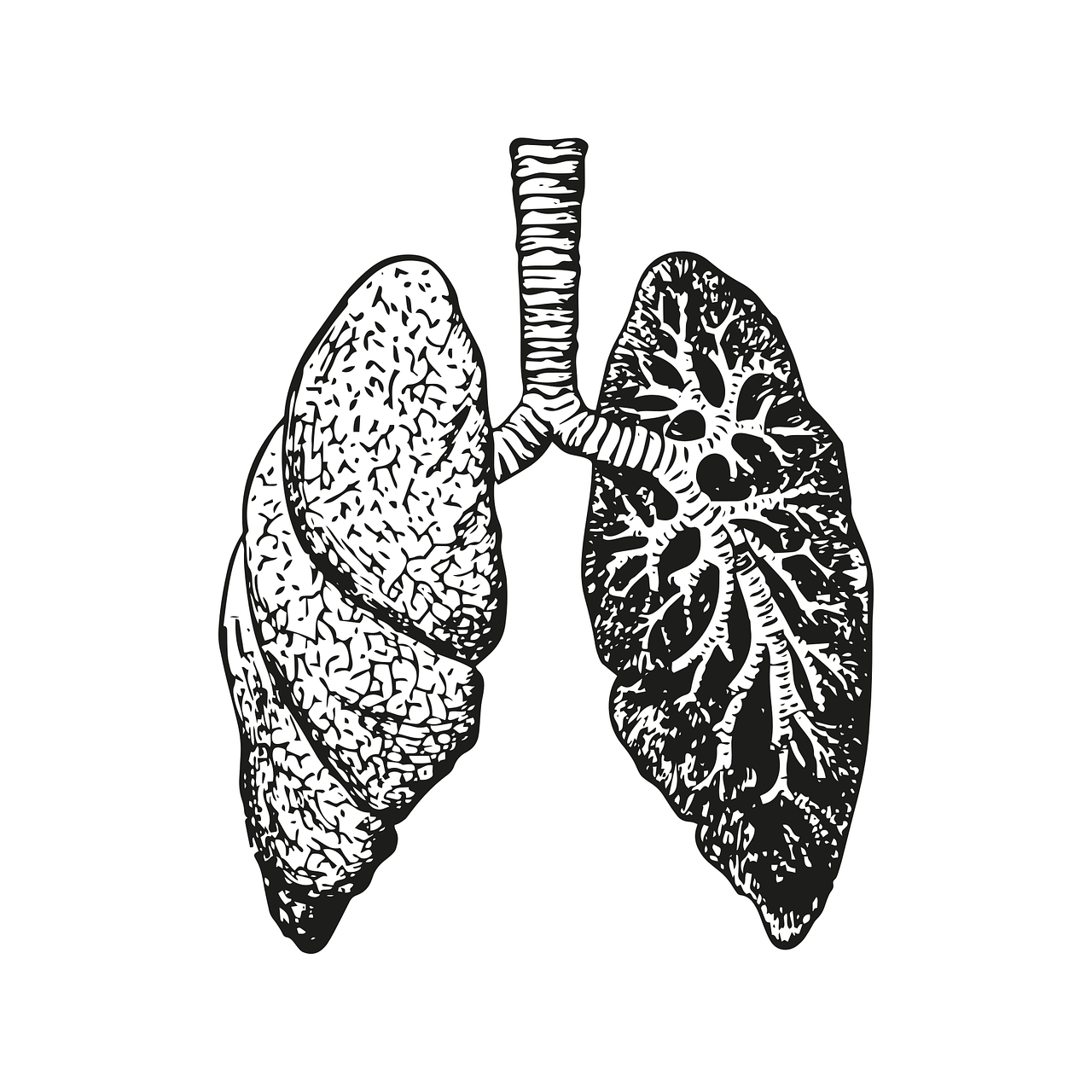
The act of smoking notably alters breathing efficiency and overall fitness levels. When individuals engage in smoking, harmful chemicals enter the lungs, leading to a variety of respiratory issues. These issues can significantly impact the ability to breathe deeply and engage in physical activities effectively. Moreover, the reduction in lung function due to smoking can result in chronic illnesses, diminishing the overall quality of life. The inhalation of smoke not only harms the lungs but also contributes to systemic inflammation throughout the body. This inflammatory response can lead to complications that affect day-to-day activities and fitness routines. Consequently, smokers may face challenges in maintaining an active lifestyle, as they might experience shortness of breath more rapidly than non-smokers. Additionally, the risk of developing chronic obstructive pulmonary disease (COPD) and other respiratory diseases is considerably heightened among smokers. Therefore, understanding the consequences of smoking on respiratory health is crucial for promoting healthier lifestyle choices. Smokers are encouraged to consider these effects seriously as they pursue fitness and well-being goals.
Smoking contributes significantly to breathing inefficiencies, limiting physical performance in numerous ways. The presence of tar and other pollutants in cigarette smoke compromises airways, making it more difficult for individuals to inhale and exhale fully. This obstruction can lead to a higher respiratory rate, which in turn forces the heart to work harder, increasing fatigue during physical activities. In contrast, individuals who abstain from smoking benefit from improved respiratory function, enabling them to maintain higher levels of endurance and energy. Beyond just lung capacity, smoking can also diminish arterial health, which plays a critical role in delivering oxygen to muscles. When oxygen delivery is compromised, physical exertion becomes increasingly strenuous, leading to quicker exhaustion. Regular physical activity is vital for enhancing lung function and overall health; thus, when smoking is introduced, the positive outcomes of exercise can be significantly reduced. Studies indicate that ex-smokers can regain a portion of their lost lung function over time, emphasizing the importance of quitting. The path to respiratory health is undoubtedly achievable, and understanding risks associated with smoking enhances motivation to pursue this goal.
Strategies for combating the adverse effects of smoking on respiratory health involve a mix of lifestyle changes and professional guidance. Transitioning towards a smoke-free life is a monumental step for individuals seeking to improve breathing efficiency and fitness levels. Smoking cessation programs are resources designed to help individuals stop smoking, often combining counseling, behavioral therapies, and sometimes medication solutions. Regular exercise during this transition can also aid in regaining respiratory function. Embracing activities that promote lung health, such as walking or swimming, offers substantial benefits while simultaneously building cardiovascular endurance. Nutrition also plays a key role; foods rich in antioxidants can assist in reducing oxidative stress caused by smoking. Fruits, vegetables, and whole grains should be integrated into daily meals to foster recovery. Moreover, staying hydrated is equally essential; proper hydration aids in maintaining the viscosity of mucus in the lungs, promoting better airflow. Continuous monitoring for any respiratory symptoms is advisable, emphasizing preventive measures to maintain optimal lung health. Commitment to these strategies can support a successful shift towards improved respiratory efficiency and overall fitness.
The Role of Regular Exercise
Integrating regular exercise into the routine of a former smoker is vital for bolstering respiratory health. Physical activity contributes significantly to lung capacity enhancements and respiratory efficiency improvements. Engaging in moderate to vigorous activities fosters a healthier circulatory system, promoting better delivery of oxygen to the body. Activities such as jogging, cycling, and aerobics stimulate an increase in lung function over time by encouraging deeper breathing patterns. This deeper breathing facilitates the removal of residual smoke or toxins still present in the lungs, allowing for improved overall function. It is important to start slow, gradually increasing the intensity of workouts as endurance develops. Consistency is crucial; therefore, setting achievable fitness goals aids in maintaining motivation. Group sports or fitness classes can also provide social support, enhancing commitment to a workout routine. Professionals suggest monitoring breathing rates and energy levels during workouts to avoid potential setbacks. Engaging in a variety of exercises prevents boredom and keeps the activities enjoyable, assisting with long-term adherence. Breathing techniques and mindful practices can complement physical exercise, further improving lung health and enhancing overall fitness outcomes.
In addition to physical exercise, nutritional habits should be adjusted to support improved respiratory health post-smoking. Oxygen intake and filtration are vital; hence, consuming a balanced diet rich in anti-inflammatory and lung-healthy foods can expedite recovery. Foods high in omega-3 fatty acids, such as fish, walnuts, and flaxseeds are beneficial; they reduce inflammation in the lungs. Leafy greens, like spinach and kale, provide essential vitamins and minerals that assist in maintaining healthy lung function. Similarly, citrus fruits are remarkable for their vitamin C content, protecting cells against oxidative stress. Hydration remains critical; drinking adequate amounts of water helps thin mucus and keeps airways clear, fostering optimal respiration. Therefore, maintaining a proper diet alongside regular exercise creates a synergistic effect, promoting efficient lung function post-smoking. Seeking the guidance of a nutritionist may also prove helpful in creating meal plans tailored to individual recovery needs. Following these dietary recommendations enables individuals to reclaim their lung health and improves their capacities for physical activities, ultimately supporting their overall fitness journeys.
Importance of Support Systems
The journey towards better respiratory health post-smoking is often challenging, underscoring the necessity of a robust support system. Friends, family, and health professionals can significantly influence an individual’s motivation and persistence in their efforts to quit smoking and maintain fitness. Support groups for ex-smokers frequently offer encouragement and shared experiences, which can be invaluable for emotional support. These communities provide diverse strategies and success stories, reinforcing a collective commitment to a smoke-free life. Furthermore, healthcare providers can assist in creating tailored action plans that include both fitness and wellness goals. Routine check-ups and follow-ups with lung specialists ensure proper monitoring of lung recovery. They can provide necessary interventions and adjustments in daily routines based on observed progress or setbacks. Access to mental health resources is equally essential, as quitting smoking can lead to increased stress and anxiety levels for many individuals. Overall, having a network of support not only makes the quitting process smoother but significantly enhances the likelihood of achieving sustained improvements in lung capacity and fitness.
In summary, the detrimental effects of smoking on respiratory health and fitness cannot be overstated. Individuals who smoke encounter significant challenges related to breathing efficiency and overall physical performance. However, emphasizing the significance of quitting smoking, complemented with regular exercise, healthy nutrition, and support systems, can lead to a transformative journey. Recovery is attainable; engaging in activities that enhance lung function and adopting a lifestyle centered around wellness provides long-term benefits. As individuals regain their lung function, they unlock newfound energy levels and the ability to pursue previously daunting physical activities. Education about the effects of smoking and the strategies for recovery serves as a powerful motivator for change. As society continues to recognize the severe implications of smoking, resources and healthier living strategies can empower individuals. Together, these efforts contribute to a brighter future for respiratory health. By embracing these changes and acknowledging the challenges faced, former smokers can reclaim control over their fitness and health, paving the way for a rejuvenated lifestyle.
Overall, the dynamics of smoking present numerous obstacles to maintaining peak respiratory health and fitness. Awareness about these factors is crucial. This knowledge directs effort towards proper management of healthier lifestyles for smokers and ex-smokers alike. Therefore, the conversation around smoking and its impact on physical performance remains essential for fostering a culture of health and fitness.