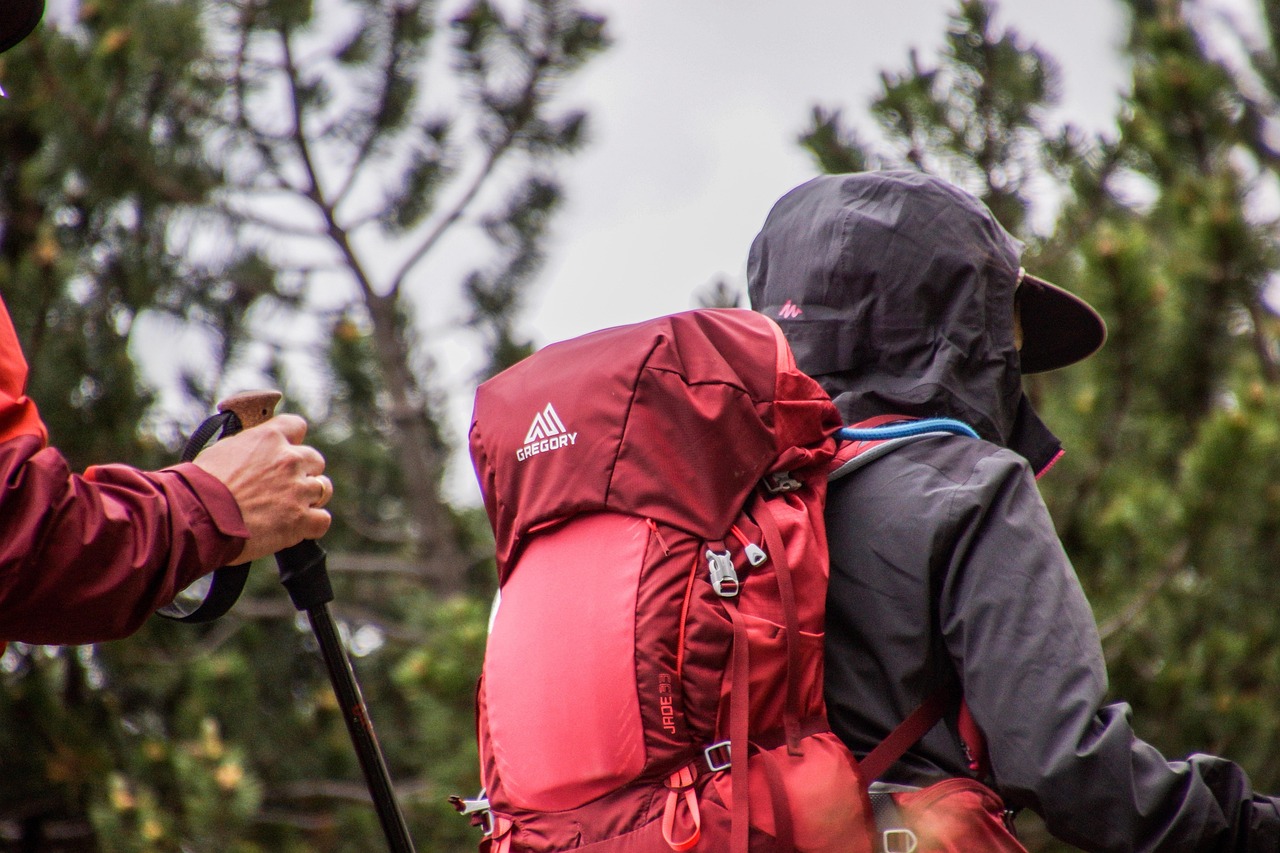

Wearing the Right Gear to Support Your Hiking Fitness
Choosing the appropriate gear for hiking is crucial in supporting your hiking fitness journey. A well-planned outfit not only enhances your enjoyment but also ensures your safety. Start with moisture-wicking base layers that pull sweat away from your skin, keeping you dry during strenuous climbs. Look for quick-drying materials like polyester or merino wool, which also offer excellent insulation. Mid-layers, such as fleece or down jackets, provide warmth but remain breathable. Layering is key, so opt for jackets that can adapt to changing weather conditions. Next, consider your choice of pants. Hiking pants made from durable, stretchy fabric ensure comfort and mobility. They should also possess features such as zippered pockets for essentials. Footwear is equally important; invest in quality hiking boots that provide support and grip on various terrains. Finally, don’t underestimate accessories like hats, gloves, and hiking socks designed for moisture management. A good pair of sunglasses can protect your eyes, while hydration packs keep you energized. Each piece of gear plays a significant role in creating an optimal hiking experience, so choose wisely.
Beyond basic clothing essentials, hydration and nutrition during hikes are elements often overlooked. Proper hydration before and during your hike is essential for maintaining energy levels. Dehydration can lead to fatigue and muscle cramps, hindering your performance. Therefore, always carry enough water; a general guideline is to drink about 500 milliliters per hour while hiking. Many hikers prefer to use hydration packs or water bottles with filters for convenience. Regarding nutrition, energy-dense snacks such as energy bars, nuts, and dried fruits will keep you fueled for longer hikes. Preparation is key—pack nutritious snacks that are lightweight and easy to consume. The terrain and altitude can affect physical demands, so listen to your body and adjust your intake accordingly. Additionally, planning meals for longer treks can enhance recovery after a long day on the trails. Foods rich in carbohydrates and protein are particularly beneficial post-hike. So, prior to hitting the trails, consider not only the clothing you wear but also the food and hydration options you carry. Being well-prepared is essential to fully enjoy the beauty and thrill of hiking.
Essential Hiking Gear for Comfort
Your choice of hiking gear can significantly influence your level of comfort on the trail. Start with a good-quality backpack that fits comfortably and evenly distributes weight. Look for features such as padded straps, multiple compartments, and adjustable belts to improve balance. A backpack that is too heavy can lead to injury, so pack only essentials to keep the weight manageable. Include a first-aid kit, multitool, and emergency blanket for safety. To further enhance comfort, wear high-quality, moisture-wicking socks made from synthetic materials or wool. Avoid cotton socks, as they can cause blisters due to moisture retention. Footwear should be carefully selected based on the terrain. Trail shoes are an excellent option for day hikes, while sturdy boots are necessary for rocky paths. Always break in your shoes before a long hike to prevent discomfort. Additionally, consider the weather before setting out. Waterproof jackets can safeguard you against rain, while breathable fabrics help regulate your body temperature. Discovering the right gear leads not only to improved performance but also enriches the overall hiking experience.
Safety should remain a priority when selecting gear for hiking. A reliable navigation tool, whether a GPS device or a simple compass, can be incredibly important if you lose your way. Topographic maps of the area you’re hiking are also helpful. Ensure you know how to use them effectively. Besides navigation tools, carry a charged cell phone, as it can be a lifesaver in emergencies. However, do not rely solely on technology—recognize that batteries can die, so have backup options ready. It’s also crucial to check forecasts and prepare for sudden weather changes. Layering your clothing allows for flexible adjustments as temperatures fluctuate. Another important element is sun protection. Sunscreens, hats, and UV-protection clothing can prevent sunburns and heat-related illnesses. Furthermore, ensure you have enough light sources, especially if your hike might extend into darkness. A headlamp or flashlight can illuminate your path effectively. Lastly, practicing Leave No Trace principles fosters respect for the environment and preserves it for future generations. Wearing the right gear not only enhances your experience but also protects you.
Accessories for a Successful Hiking Adventure
When gearing up for your next hiking adventure, accessories play an integral role in enhancing both comfort and safety. Start with a sturdy, adjustable hat or cap to shield your face from direct sunlight. Look for hats made from breathable materials that wick sweat, keeping you cool. Additionally, wrap-around sunglasses can safeguard your eyes from harmful UV rays. Opt for polarized lenses to reduce glare and enhance visibility. Don’t forget the importance of sunscreen; apply a broad-spectrum SPF before you set off, and reapply every few hours to protect your skin. Another accessory worth investing in is trekking poles. They assist in stability and reduce strain on your knees, especially during downhill hikes. Make sure to familiarize yourself with how to adjust them for optimal height. Lightweight gaiters can keep dirt and moisture from entering your shoes while walking through rocky trails. Moreover, consider using an emergency whistle; it can signal for help in case of an unexpected situation. All these accessories work together to enhance your hiking gear, ensuring not only performance but also overall safety.
Fitness and proper gear go hand in hand while pursuing hiking as a hobby or sport. Training your body through regular exercise strengthens muscles and enhances stamina. Engage in cardio workouts, flexibility training, and strength exercises that target the legs, core, and upper body. Such training can create a solid foundation, allowing you to fully appreciate the adventure of hiking. Always listen to your body, increasing intensity gradually to avoid injury. Prior to a hiking trip, warming up improves blood circulation and prepares your muscles for the activity. Similarly, invest time in cool-down stretches to enhance recovery after hikes. Being adaptable is essential; with prior training, you can tackle more challenging terrains and maintain enjoyable experiences. Consider joining a local hiking club or group to meet new people who share your enthusiasm. This can also provide additional motivation and tips for optimal performance. Finally, remember to celebrate your personal achievements following a hike. Whether you reach a particular trailhead or complete a challenging route, these milestones contribute to your hiking fitness journey. With the right preparation and mindset, hiking becomes an enjoyable and rewarding activity.
Conclusion and Reflection
As you continue to embrace hiking as a part of your fitness regime, reflect on the critical importance of appropriate gear. Wearing the right clothing and footwear can significantly affect your comfort level and overall experience while on the trails. Investing in quality items and well-planned gear enhances your performance, allowing you to appreciate the beauty of nature more fully. Additionally, the right accessories ensure safety and preparedness for unexpected events. By following best practices, you not only optimize your hiking experience but also cultivate a sense of respect for the trails you explore. From choosing the right breakfast to packing nutritious snacks, all aspects of preparation come together for a successful hike. With continuous reflection and adaptation of your approach, every trekking adventure can highlight your personal growth and accomplishments in fitness. Next time you hit the trail, remember the lessons learned and consider them vital for your hiking fitness journey. Finally, always pack out what you pack in, protecting nature while enjoying your surroundings. Make memories that last a lifetime, encouraging a healthy lifestyle through the joy of hiking.
With every hike taken, remember that mindful choices contribute significantly to preserving both personal and environmental well-being. Keep enhancing your knowledge and experience to maximize the enjoyment found in your hiking adventures. The right gear not only supports physical comfort but helps foster peace of mind while tackling the great outdoors. No matter how challenging the terrain may be, being mindful of preparation is essential to enjoying the journey. As you plan your next adventure, refer back to these crucial tips, ensuring your success and return to the trails with improved hiking fitness. Embrace each trail’s unique challenge as an opportunity for personal growth while also cherishing the environment. Conscious hiking promotes active living and connects you to the beauty of nature. Share your experiences, insights, and passion with others to invigorate the hiking community. Encourage new hikers to prioritize safety and preparation, fostering a culture of awareness and sustainability. Ultimately, through the right gear, thoughtful actions, and shared knowledge, hiking transforms into more than just a physical activity—it becomes a lifestyle that enriches both body and mind.