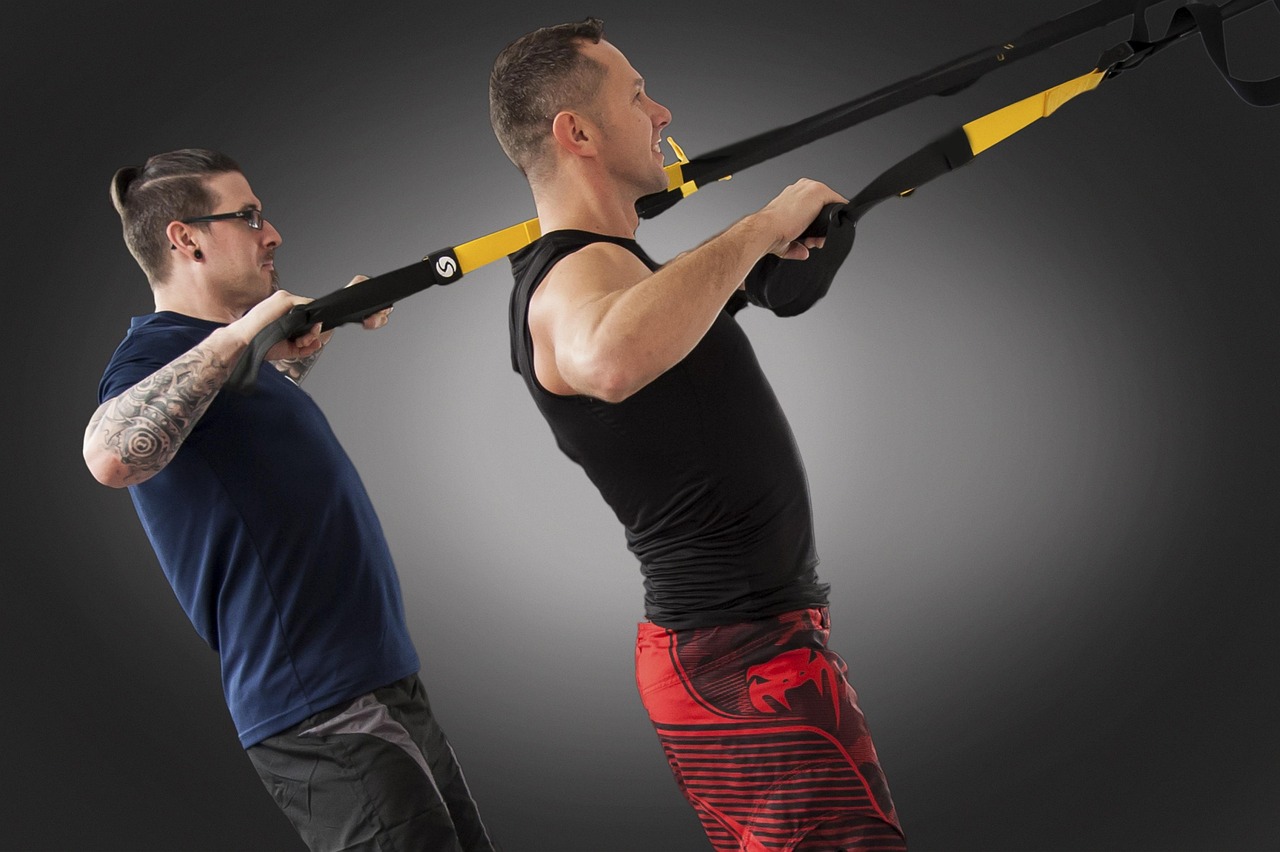

Using TRX Suspension Training for Flexibility Improvements
TRX Suspension Training has become increasingly recognized for its ability to enhance flexibility and strength simultaneously. To effectively incorporate TRX into your workout routine, it’s essential to focus on exercises that stretch and elongate the muscles. Flexibility training is often neglected, yet it plays a vital role in performance enhancement and injury prevention. TRX is versatile and can be adjusted for a variety of fitness levels, providing a comprehensive workout that engages multiple muscle groups. A significant advantage of Suspension Training is the ability to control the intensity of each movement while performing stretches. Additionally, performing mobility exercises on a TRX system can lead to improved range of motion across various joints. Incorporating TRX with exercises like hamstring stretches and chest openers can facilitate optimal muscle recovery and elongation, which in turn contributes to better athletic performance. By engaging in a balanced regimen that emphasizes flexibility alongside strength, TRX users can achieve greater overall fitness goals. A clear understanding of proper form and technique is necessary to maximize the benefits of this training method and minimize the risk of injury during your workout sessions.
Incorporating TRX for flexibility improvements requires a strategic approach. Start each session with a thorough warm-up to increase blood flow to your muscles. Dynamic stretches can help to prepare your body while also enhancing mobility. By utilizing the TRX straps, you can perform movements that target both upper and lower body flexibility. Consider integrating exercises such as the TRX hamstring stretch and TRX lunge with rotation. These movements not only work on flexibility but also engage stabilizing muscles which are crucial for maintaining balance and coordination. While performing your exercises, focus on breathing techniques to enhance relaxation and promote deeper stretches. The suspended nature of the TRX system allows for unique angles that traditional floor exercises cannot achieve, thus offering a more effective stretching experience. It’s also important to hold each stretch for an adequate duration, aiming for at least 20-30 seconds to allow muscle fibers to elongate properly. Frequent practice with TRX training not only improves flexibility but can also contribute to increased strength and endurance, leading to a well-rounded fitness regimen that can enhance athletic performance in various sports.
Key TRX Exercises for Flexibility
When focusing on flexibility improvements through TRX Suspension Training, certain exercises stand out as highly beneficial. The TRX strap can aid in performing various static and dynamic stretches that effectively target problem areas. Start with the TRX chest stretch, which opens up the shoulders, reduces tension, and helps with overall upper body flexibility. For lower body flexibility, the TRX hamstring stretch is excellent for targeting tight muscles due to prolonged sitting or intense workouts. Incorporate the TRX hip flexor stretch—ideal for countering the tightness from activities like running and cycling. Another potent exercise is the TRX lunge with an upper body twist; this motion enhances rotational flexibility and thoracic mobility. Throughout these movements, ensure that your posture is correct, and engage your core for stability. It is crucial to remember that flexibility is not merely about the ability to stretch; it is also about ensuring proper form and technique to prevent injury. Each exercise should be performed deliberately, using controlled movements to maximize effectiveness while minimizing strain on the body. Progress should be tracked, and the intensity increased gradually over time to meet your fitness goals safely.
For best results in flexibility training, consistency is key. TRX workouts should be a regular part of your fitness routine, ideally integrated at least two to three times per week. Allow time for recovery between sessions, as stretching can cause micro-tears in muscle fibers. Following up withappropriate post-workout nutrition and hydration will aid recovery and improve overall performance. Tracking your flexibility progress can also provide motivation. Consider starting a fitness journal or utilizing apps that monitor flexibility milestones. The TRX system is beneficial because it can be used anywhere, making it accessible for home workouts, at the gym, or while traveling. Flexibility exercises can also serve as a great cooldown after cardio or strength training, ensuring the muscles remain limber. If you’re new to TRX, consider participating in a class or following online tutorials to learn proper techniques. With time, patience, and dedication, improvements in flexibility with TRX training become evident. Changes may manifest as increased range of motion, reduced muscle tension, and a marked improvement in overall physical performance. This sustained practice fosters a long-term commitment to fitness health and wellness.
Benefits of TRX for Flexibility
Utilizing TRX Suspension Training specifically for improving flexibility comes with numerous benefits. One immediate advantage is the reduction of muscle tension and stiffness. With regular practice, you may notice an enhanced ability to perform daily activities with greater ease. The TRX system promotes functional movements, integrating flexibility into real-life scenarios, thus decreasing the risk of injuries. Improved flexibility also contributes significantly to athletic performance, allowing for better movement patterns, quicker recovery, and more agility during physical activities. More flexibility means that muscles can operate more efficiently, which is crucial during high-intensity workouts. Additionally, incorporating TRX into your fitness regimen often results in better muscle balance and alignment, promoting a balanced physique. Many who engage in TRX workouts report increased energy levels and reduced fatigue, further increasing motivation to continue training. Furthermore, the ability to modify resistance and angle allows users to find their optimal stretch positions. Overall, TRX offers the opportunity for a holistic approach to fitness by emphasizing flexibility, strength, and motor control in a single integrated system, making it a smart choice for anyone seeking comprehensive body conditioning.
As you progress in your TRX Suspension Training journey, consider introducing advanced flexibility techniques. Techniques such as PNF stretching (Proprioceptive Neuromuscular Facilitation) have proven to be highly effective for improving flexibility. This method involves both stretching and contracting the targeted muscle group, leading to more significant increases in flexibility over time. While using the TRX, practitioners can hold specific positions before contracting the muscles for deeper engagement. It’s essential to maintain focus on breathing and relaxation while performing these advanced techniques. Integrating balance work into your routine will also enhance flexibility; stability exercises can alleviate strain on your joints while promoting the range of motion. A mind-body connection is crucial in finding balance and mobility. Additionally, explore various attachments that can be used with TRX, such as resistance bands, to add another layer to your flexibility game. Pairing TRX workouts with yoga or Pilates can further enhance the impact of flexibility training. Always listen to your body during these sessions, and adjust your workout accordingly to prevent soreness or overexertion, keeping your long-term goals in mind.
Conclusion: Maximizing Flexibility with TRX
In conclusion, using TRX Suspension Training equips individuals with an innovative approach to maximize flexibility and overall fitness. Emphasizing the importance of flexibility and its direct connection to improved athletic performance is key. Establishing a routine that incorporates TRX exercises tailored to enhance range of motion not only facilitates better performance but aids in preventing injuries. Moreover, the integration of flexibility work leads to a more well-rounded fitness program. As you continue on this journey, remember that patience is essential; improvements may take time as the body adapts and changes. So, stay persistent, and keep track of your progress with your training sessions. Engaging in community classes or finding workout partners can offer support and increase accountability. Don’t forget to complement your workouts with proper nutrition and recovery methods that promote muscle repair and growth. With time and effort, you will not only see performance improvements but also experience a heightened sense of well-being. TRX can be a transformative tool in achieving your fitness and flexibility goals effectively and efficiently, ensuring progressive advancements in physical health.
With its unique suspension system, TRX allows for effective stretching of various muscle groups while promoting core stability. By committing to regular practice of TRX sessions, you will advance not just in flexibility but overall strength and endurance. It enables fluid transitions between strength exercises and stretches, maximizing your workout efficiency. Consider joining online forums or local fitness communities to share your experiences and learn from others who are on a similar journey. There is immense wisdom and encouragement in these groups that can help you maintain motivation toward achieving your fitness goals. Always remember that each flexibility improvement contributes not only to your workout efficiency but also adds to a more balanced lifestyle. Being open to trying new exercises and approaches will keep your workout routine fresh and engaging. Familiarize yourself with the TRX system and explore its wide-ranging benefits. Ultimately, commitment and consistency in your training are integral to success. Stay motivated, utilize resources within the community, and share your journey. This holistic training method can reshape your perception of flexibility work in your fitness journey.