
Using Foam Rolling to Overcome Mobility Plateaus
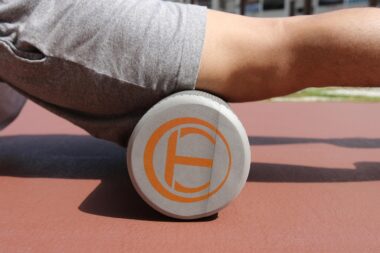
Foam rolling is an effective technique that helps athletes and fitness enthusiasts enhance flexibility and mobility. This self-myofascial release method alleviates muscle tension, promotes blood circulation, and encourages faster recovery. By incorporating foam rolling into your regular routine, you can address tightness that often contributes to mobility plateaus. Stretching alone may not suffice because factors like muscle knots or fascial restrictions can hinder your range of motion. Foam rolling effectively breaks down these knots, allowing for improved movement efficiency. It’s important to position the foam roller strategically on muscle groups, using slow, controlled movements. Prioritizing rolled areas can help identify problem spots, leading to focused recovery efforts. With time and practice, foam rolling can also make warm-ups more effective, enhancing overall performance during workouts. This method can also complement your existing mobility training programs, ensuring you move through the full range of motion without discomfort. Remember that consistency is key when it comes to reaping long-term benefits from foam rolling in your fitness journey. Gaining mobility and flexibility can ultimately lead to improved performance and reduced injury risk.
The Mechanics of Foam Rolling
Foam rolling operates on a simple principle: applying targeted pressure to muscles and fascia, which helps to release tension. The foam roller acts as a tool to create friction and stimulate sensory receptors in the body, prompting the nervous system to relax. When muscles are tight, they may restrict motion, which is where foam rolling becomes essential. As you roll over the muscle, you’re essentially triggering the body’s natural ability to recover. The process involves using bodyweight to apply pressure, which can activate the parasympathetic nervous system. This activation helps to lower cortisol levels while increasing blood flow to the muscle, which enhances circulation. Furthermore, foam rolling is beneficial when performed both before and after workouts. Before exercise, it can prepare muscles for movement. After exercising, it can aid recovery by helping to flush out metabolic waste products. Combining foam rolling with dynamic stretching can further enhance the benefits. In conclusion, understanding the mechanics of foam rolling prepares you for effective practice and ultimately leads to enhanced flexibility, mobility, and overall performance.
Another great aspect of foam rolling is its accessibility. You can easily incorporate it into your daily routine, and it doesn’t require any specialized equipment. High-density foam rollers are available at various price points and can be used at home, the gym, or even while traveling. This makes it a versatile tool, essential for athletes of all levels, from beginners to seasoned professionals. Moreover, foam rolling can be customized for individual needs, whether targeting specific areas like the quads, hamstrings, or back. Different body types and fitness levels may require different techniques or levels of pressure. Therefore, it’s necessary to listen to your body, adjusting the intensity based on what feels best for you. Many online resources offer video tutorials and detailed guides, making it easier to learn effective techniques. The key is to maintain a balance between pressure and comfort, allowing the muscle to release and relax without causing further pain. Over time, you’ll learn which techniques yield the most benefit to your specific body parts, helping you overcome mobility plateaus effectively and efficiently.
Potential Foam Rolling Techniques
Several foam rolling techniques can help overcome mobility plateaus, focusing on various muscle groups. For instance, rolling out the calves can alleviate tightness that impacts ankle flexibility. Begin by placing the roller under your calf, using your hands to lift your body slightly while rolling slowly from the Achilles tendon to the knee. Continue the process until you identify a tender spot, holding the position for around 30 seconds. Another effective technique involves the quadriceps. By positioning the roller beneath the thighs and rolling towards the hips, you can release tension that affects hip flexor mobility. Positioning your body weight on top of the roller allows you to manipulate pressure effectively. For the lower back, try lying on the foam roller vertically, allowing it to support your spine while rolling side to side. It can be excellent in releasing tightness in the thoracic region, helping improve posture and upper body mobility. Lastly, consider rolling the lats by lying on your side with the roller beneath your upper back, rolling towards your armpit. This technique significantly enhances shoulder mobility.
In addition to these techniques, utilizing the foam roller consistently can amplify results. Consider integrating foam rolling into your warm-up routine, allowing your muscles to loosen before engaging in strenuous activities. Set aside 5-10 minutes for targeted foam rolling sessions that focus on major muscle groups before your workout. Experiment at different times throughout your week to establish a preferred routine. Another suggestion is to connect foam rolling with your cooldown period following workouts. This practice aids in muscle recovery by increasing blood flow and reducing soreness. Ultimately, remember that foam rolling is a complementary technique, not a replacement for complete mobility workouts. Pair it with dynamic stretches or yoga postures to achieve optimal results. Developing a versatile routine that incorporates foam rolling will help create awareness of tight areas in the body. As you continuously work on these tight muscles, you’ll gradually notice improvements in your overall flexibility and mobility, ultimately aiding in your fitness and athletic performance.
Common Mistakes to Avoid
When implementing foam rolling into your routine, several common mistakes can detract from the benefits. The first mistake involves excessive speed during rolling. Rushing can inhibit the effectiveness of the technique, as it won’t allow muscle fibers enough time to relax and release tension. Instead, prioritize a slow and deliberate rolling strategy, spending time on problem areas. Another common mistake is failing to hydrate adequately before and after foam rolling, which can lead to muscle cramps or increased soreness. Keeping the body hydrated ensures that muscles remain pliable and responsive. It is also crucial to avoid rolling over bony areas or joints, as this may result in injury rather than relief. Instead, focus on the soft tissue surrounding these areas. Ignoring pain signals can lead to further complications, so always listen to your body. Lastly, consider varying your rolling techniques. Relying on a single approach may neglect other muscle groups that could also benefit from foam rolling. Finally, establish a well-rounded routine that embraces flexibility, foam rolling, stretching, and strength training.
Your foam rolling journey should also include tracking your progress and adjusting as necessary. Keeping a journal can be beneficial in noting any changes in mobility and flexibility as you enhance your routine. There are various performance metrics to consider, such as assessing joint range of motion or muscle soreness levels. By documenting your experiences, you’ll develop a better understanding of which foam rolling techniques work best for your body. Additionally, observing how your movements improve over time can serve as motivation to stay consistent with your foam rolling practice. If you experience plateaus, reassess your foam rolling routine and tweak your technique or positions. Incorporating feedback gathered from tracking can help customize your approach to target the precise muscle groups needing attention. Engaging in foam rolling as an act of self-care is essential; treat it as a vital aspect of injury prevention and recovery. Following a systematic approach with foam rolling as part of your regular practice can support improved flexibility, mobility, and overall performance in all your fitness endeavors.