
Top Powerlifting Foam Rollers: Recover Faster with These Picks
For powerlifters, recovery is just as crucial as training itself. Foam rollers have become a popular tool to help alleviate muscle soreness and improve flexibility. There are several types of foam rollers available, each designed to assist with different aspects of muscle recovery. Some foam rollers are softer and ideal for beginners, while others offer a firmer surface for experienced users. Investing in the right foam roller can lead to faster recovery times and improved performance in the gym. In this article, we will explore some of the highest-rated foam rollers specifically tailored for powerlifters. We will highlight their features, pros, and cons, making it easier for you to choose the best option for your needs. Moreover, understanding how to properly use a foam roller is essential to maximize its benefits. Whether you aim to increase your flexibility or alleviate tightness, foam rollers can be effective. They engage your muscles and help in releasing fascia, a connective tissue that can hinder performance if tight. Let’s take a look at top choices for powerlifting foam rollers and how they aid in recovery.
Benefits of Using Foam Rollers for Powerlifting
Using foam rollers has several benefits that can greatly enhance your powerlifting routine. One significant advantage is improved blood circulation. Foam rolling helps to increase blood flow to the muscles, which can speed up recovery and reduce muscle pain. Another notable benefit is improved flexibility and range of motion. Regular foam rolling can help lengthen tight muscles and ease tension, allowing for better performance during lifts. It can also prevent injuries by keeping muscles limber and healthier. Moreover, foam rolling aids in the breakdown of scar tissue and adhesions, which can form during intense training periods. This breakdown promotes quicker muscle recovery after intense lifting sessions, thus ensuring your powerlifting sessions remain effective and progressive. Furthermore, foam rollers are convenient and affordable, making them a practical choice for lifters at any level. They can be used at home or taken to the gym, fitting easily into your workout routine. Lastly, using foam rollers can reduce muscle tightness, allowing for smoother lifts and more consistent gains in strength. Incorporating foam rolling into your routine can truly transform your recovery process.
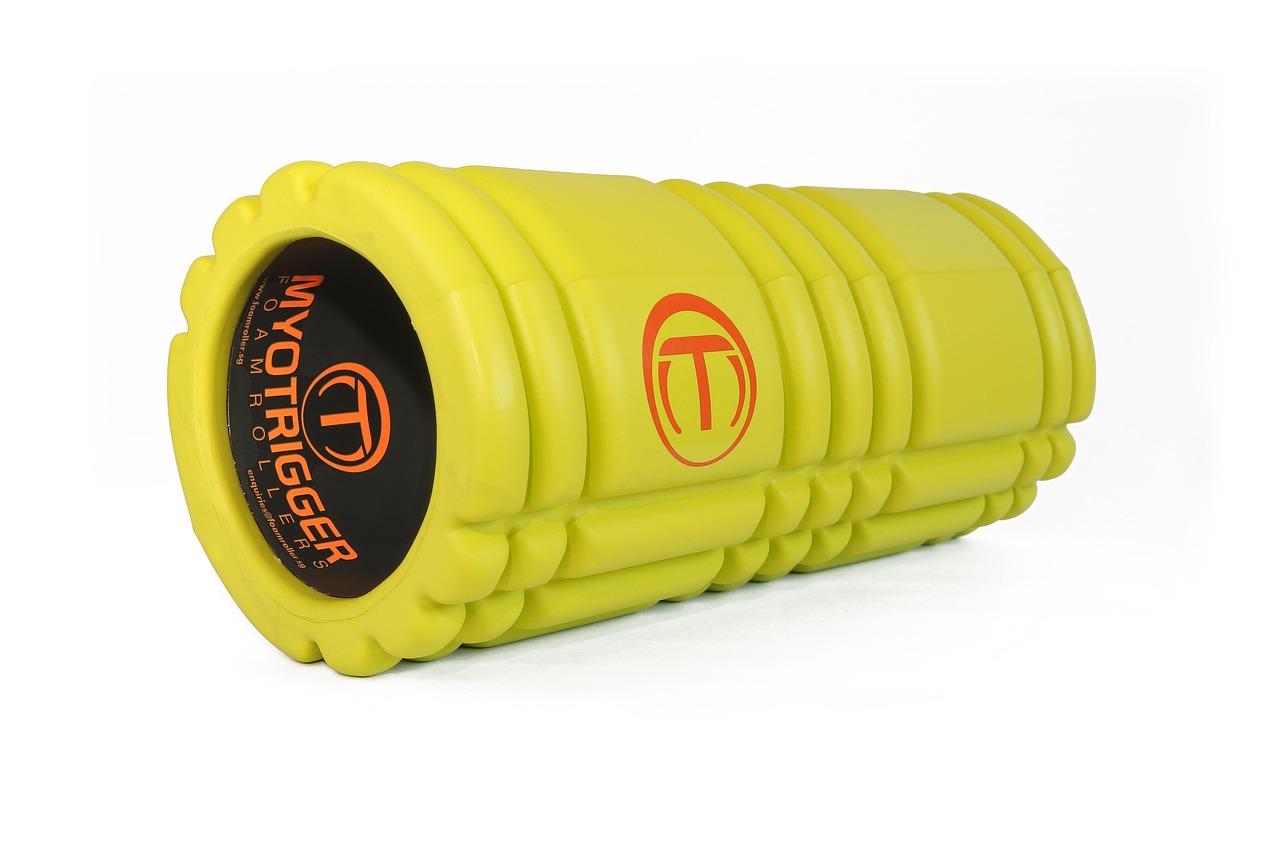
As you consider the right foam roller, it’s crucial to know the various features of each product. Foam density is one of the most critical aspects to consider. Soft rollers are recommended for beginners or those with sensitive muscles. These rollers allow for a gentler approach to recovery. Conversely, firm rollers are suitable for experienced athletes who require deeper tissue manipulation. Textured rollers are also available, featuring ridges and bumps that help target trigger points effectively. Color and design may be less important than functionality but can also influence your purchase decision. When comparing foam rollers, look for those made from high-quality materials for durability. Finding a roller that maintains its shape even after repeated use is essential for ensuring consistent performance. Additionally, portability should be taken into account, especially if you plan to carry them to the gym. Lastly, many foam rollers come with user guides or online access to demonstrations. This added resource can help you learn various techniques for optimal usage. Ultimately, selecting the right roller depends on your specific needs and comfort level.
Top Picks for Powerlifting Foam Rollers
In our review, we have gathered some of the best foam rollers designed specifically for powerlifting enthusiasts. The first choice is the TriggerPoint GRID Foam Roller, renowned for its unique grid pattern. This pattern allows for a more targeted massage of muscles, effectively mimicking the feeling of a therapist’s hands. It’s excellent for deep tissue massage and extremely durable. Another favorite is the RumbleRoller, which boasts bumps designed to penetrate fascia and muscle knots. Users appreciate its intense feel, making it perfect for advanced lifters. Thirdly, the LuxFit Foam Roller is known for its affordability and excellent performance. It’s lightweight with a solid core and is great for those just starting their foam rolling journey. The AmazonBasics High-Density Foam Roller is another option, offering a balance between softness and firmness, making it suitable for a broad range of users. Additionally, the ProForm Foam Roller provides unique vibration technology to aid in recovery, delivering an extra boost while rolling. Trying each of these options can help you find the perfect foam roller tailored for your needs.
When choosing a foam roller, it’s important to know the correct techniques for using it effectively. Begin with slow and steady movements, allowing your body to adjust to the added pressure. Target each muscle group individually, spending about 30 seconds on each area to achieve maximum benefits. Focus on areas that feel tight or sore, applying pressure until you feel a release. It’s common to experience discomfort during this process, especially in tight areas; however, it’s crucial not to overdo it to avoid injury. Use your body weight to control the amount of pressure applied and elevate certain areas by positioning your body appropriately. Various positions can be used, such as lying on the roller vertically along the spine or horizontally on the thigh. Additionally, combining foam rolling with static stretching can offer even more pronounced results. Once you familiarize yourself with techniques, foam rolling can easily become an integral part of your recovery routine. Remember to hydrate after each session, as foam rolling can release toxins from the muscles. Over time, it can significantly improve not only your recovery but your overall performance in powerlifting.
Maintaining Your Foam Roller
Proper maintenance of your foam roller is essential for ensuring its longevity and effectiveness. After each use, it is advisable to clean the foam roller to remove sweat or dirt that could degrade the material. Depending on the type of foam roller, some can be wiped down with a damp cloth while others may need a more thorough cleaning. Avoid using harsh chemicals that can harm the foam material. Instead, opt for mild cleaning solutions or antibacterial wipes that ensure you don’t retain harmful bacteria. Storing your foam roller in a dry area away from direct sunlight may also help preserve its shape and prevent it from warping. If using a textured roller, inspect it regularly for any signs of wear or damage, as these can decrease its effectiveness. Additionally, avoid standing or jumping on foam rollers, as they are not designed to withstand excessive weight and can become damaged or lose their optimal performance. By following these maintenance tips, your foam roller can serve you well for many years, supporting your recovery as you pursue your powerlifting goals.
In conclusion, foam rollers are essential tools for powerlifters aiming to optimize their recovery process. From improving flexibility to aiding in muscle recovery, the benefits are significant and varied. Selecting the right foam roller tailored to your specific needs doesn’t have to be difficult, provided you consider your level of experience and comfort. As outlined, the various foam rollers discussed come with distinct features, allowing you to find the one that best aligns with your recovery goals. Additionally, following proper usage techniques can enhance the effectiveness of your foam rolling sessions. Remember, recovery is just as important as your workouts, and incorporating foam rolling is an intelligent step towards achieving and maintaining peak performance. Lastly, maintaining your foam roller will ensure it lasts as long as possible while supporting your fitness journey. Embrace the help of a quality foam roller to improve your overall powerlifting performance, making your training sessions more effective and rewarding.