
The Use of Beetroot and Nitrate-Rich Foods to Enhance Endurance
Sports nutrition emphasizes the importance of fuel sources for enhancing physical performance. One area that has gained significant attention involves the use of beetroot and nitrate-rich foods. Nitrates are naturally occurring compounds found in various vegetables, particularly beetroot, spinach, and other leafy greens. These foods have been observed to enhance endurance and athletic performance, making them popular among athletes. Consuming nitrate-rich foods before exercise may significantly improve blood flow, reduce fatigue, and ultimately, increase aerobic capacity. Beetroot juice has been found to be an effective source of dietary nitrates, and the conversion of nitrates to nitric oxide may enhance mitochondrial efficiency. The increased availability of nitric oxide in the bloodstream is associated with various health benefits, promoting vasodilation and lower blood pressure. Therefore, athletes can benefit from incorporating these foods into their regular diet as it can lead to noticeable performance improvements. Overall, the role of beetroot and other nitrate-rich foods in sports nutrition presents a compelling area for further research and exploration. The long-term effects and optimal consumption strategies remain topics of interest for sports professionals and nutritionists alike.
The mechanism by which nitrates improve endurance involves several physiological processes. When consumed, nitrates are converted to nitrites in the mouth and then to nitric oxide in the body. This nitric oxide signals blood vessels to dilate, leading to enhanced blood flow and oxygen delivery to working muscles. Consequently, improved oxygen delivery can reduce the oxygen cost of exercise, allowing athletes to perform at higher intensities without fatiguing as quickly. Research indicates that nitrate supplementation is especially beneficial for endurance athletes, such as runners and cyclists, who require sustained energy output over longer periods. Studies show that beetroot juice can reduce the time to exhaustion, increase power output, and enhance overall performance. However, it is essential to consider the timing of nitrate intake. Consuming beetroot or nitrate-rich foods approximately two to three hours before exercise is generally recommended for optimal benefits. Additionally, athletes must be mindful of the specific quantities needed for effective results, as individual responses can vary. Understanding how to integrate these foods effectively into an athlete’s diet can play a crucial role in optimizing their performance.
Nutritional Content of Beetroot
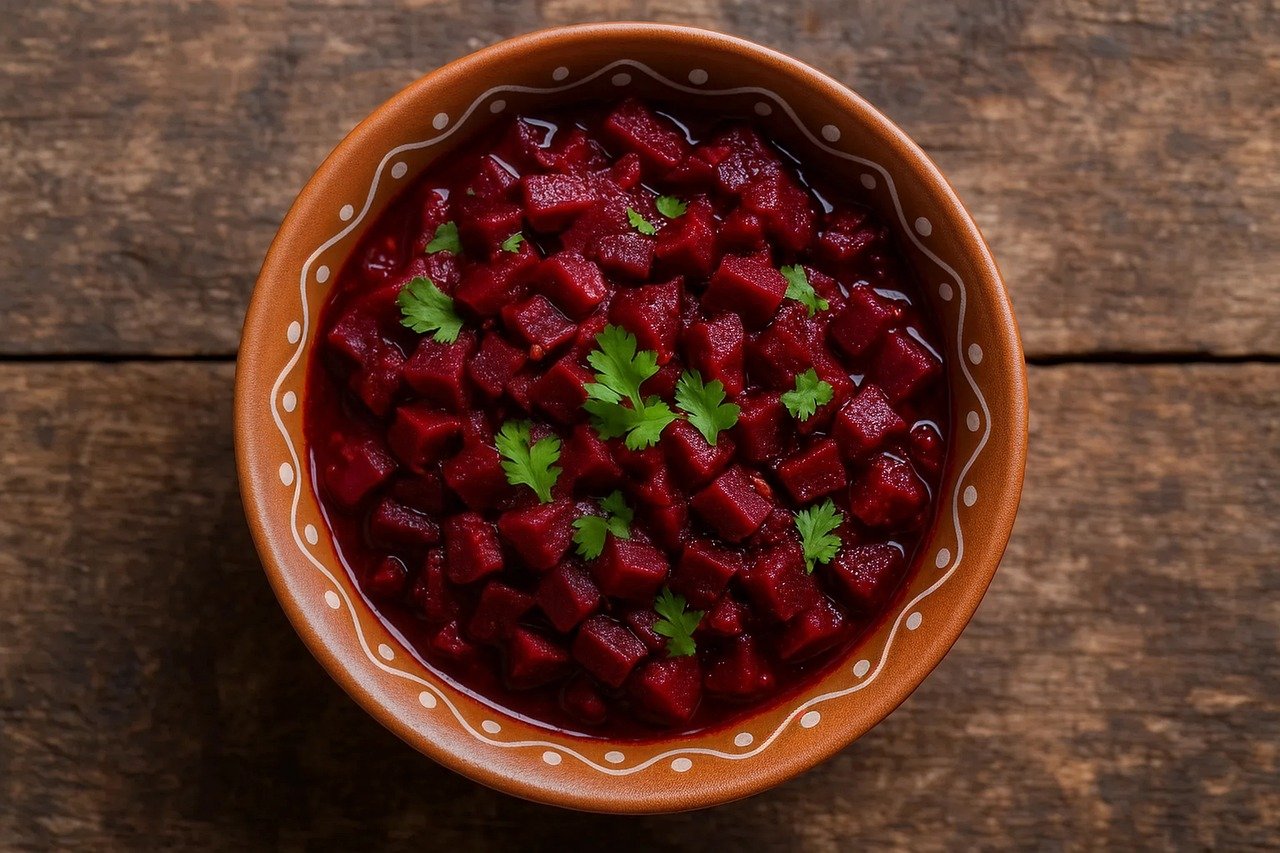
Beetroot is not only rich in nitrates but also contains a variety of essential nutrients beneficial for athletes. It is an excellent source of dietary fiber, vitamins, and minerals, particularly vitamin C, potassium, and folate. The antioxidant properties found in beetroot help combat oxidative stress, which can occur during intense exercise. The presence of betalains, a type of antioxidant found in beets, may also contribute to reducing inflammation and muscle soreness after workouts. Furthermore, beetroot is low in calories, making it an ideal choice for athletes wanting to enhance their nutritional intake without adding excessive calories. Many athletes are turning to beetroot products, including juices and powders, for a convenient source of nitrates. Consuming beetroot in various forms, whether freshly juiced, roasted, or in supplement form, can easily fit into an athlete’s dietary regimen. Incorporating beetroot into pre-competition meals or training snacks can offer a performance edge. As dietary preferences and requirements vary, beetroot provides a versatile option to complement diverse diets and enhance physical performance effectively.
While beetroot and nitrate-rich foods have shown promising effects on endurance, there are important considerations for athletes. Individual responses to nitrates can vary significantly based on a range of factors, including genetics, training status, and diet. What works well for one athlete may not necessarily produce the same results for another. Additionally, the best way to consume nitrates can depend on the personal preference, as some individuals may experience gastrointestinal discomfort when consuming beetroot juice or large quantities of beets. Therefore, it is crucial for athletes to experiment with their nitrate intake to find what works best for them without adverse effects. Consulting with a sports nutritionist can provide tailored recommendations, especially for those looking to optimize their dietary strategies around training and competitions. Furthermore, the quality and preparation method of beetroot also matter; fresh, organic beets are often recommended to ensure maximized nutrient content. Athletes should also remain cautious not to over-rely on supplements alone but integrate a broader spectrum of whole foods into their nutrition plans.
Potential Drawbacks and Research Limitations
Though there are many benefits associated with beetroot and nitrates, some potential drawbacks and limitations exist in research. The current studies mainly focus on short-term effects, while the long-term implications of regular nitrate consumption for athletes are still not fully understood. Some research suggests that high doses of nitrates may lead to adverse effects, including changes in gut health due to alterations in oral microbiota. Thus, balancing nitrate intake is essential to avoid any potential health risks. Additionally, much of the existing research has been conducted in controlled environments; real-world applications may vary based on several factors such as diet and exercise conditions. Athletes must also be aware of individual variability in their responses to nitrate supplementation. Therefore, it is essential to apply caution and monitor performance aspects closely to determine the appropriate levels that promote endurance without negative consequences. Until more extensive studies are conducted, athletes should consider these limitations when integrating beetroot into their training routines.
Incorporating beetroot and other nitrate-rich foods into a balanced diet is practical for athletes looking to enhance endurance performance. Several strategies can facilitate this integration effectively. One popular approach is to consume beetroot juice before workouts. Various commercial beetroot juice options are available, catering to athletes who may prefer convenient sources of nitrates. Additionally, incorporating beetroot into meals, such as salads, smoothies, or side dishes, can ensure consistent intake. Roasting or steaming beetroot allows for a tasty addition to various recipes. For example, beetroot hummus has emerged as a popular snack option among health-conscious individuals. Furthermore, athletes can explore natural sources of nitrates beyond beetroot. Foods such as arugula, celery, and radishes also contain beneficial levels of nitrates and can diversify one’s nutrient intake. Additionally, pairing beetroot with other nutrient-dense foods can enhance overall dietary quality, promoting performance and recovery. Awareness of one’s dietary preferences and tolerances is vital for establishing long-term habits that maximize performance benefits while supporting overall health and fitness.
Conclusion
In conclusion, beetroot and nitrate-rich foods represent an exciting avenue for improving endurance in athletes. The physiological mechanisms by which nitrates operate provide compelling evidence for their significance in sports nutrition. Research consistently demonstrates that these foods can enhance endurance performance, but it is essential for individuals to tailor their intake according to their unique needs. Understanding the optimal timing and dosage will ensure that athletes fully realize the benefits associated with these foods. While further research is warranted to explore the long-term effects, current evidence suggests that integrating beetroot into a well-balanced diet can provide performance advantages. As sports nutrition continues to evolve, the role of natural food sources like beetroot highlights the importance of optimizing dietary choices for peak performance. Ultimately, beetroot offers a palatable and nutrient-rich addition, enhancing athletic potential while promoting overall health. By embracing these functional foods, athletes can achieve new heights in their capabilities, harnessing nature’s powerful ingredients to elevate their performances.
Your journey toward enhanced endurance may begin with simple dietary changes, especially through the inclusion of beetroot and other nitrate-rich foods.