
The Role of Adaptive Fitness in Enhancing Mobility for People with Disabilities
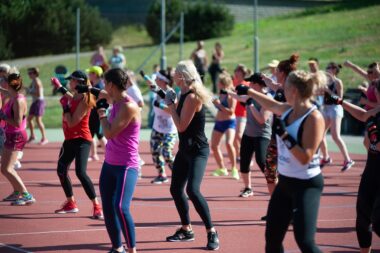
Adaptive fitness plays a crucial role in improving mobility among individuals with disabilities. The term encompasses various physical activity programs that aim to meet the unique needs of individuals with varying disabilities. By focusing on tailored exercises that promote strength, flexibility, and cardiovascular health, adaptive fitness programs can significantly enhance daily living. Reports indicate that participants in adaptive fitness sessions often experience improvements not just physically, but also mentally. Engaging in such specialized programs helps build confidence and self-esteem in individuals who may feel disconnected from traditional fitness environments. Furthermore, the social aspect of adaptive fitness can foster communication and friendship opportunities. Many adaptive fitness classes encourage group participation, creating a supportive community. This camaraderie is essential as individuals push their physical boundaries together, making exercise a fun and empowering experience. Adaptive fitness is not merely about physical gains; it’s about fostering inclusivity and acceptance. The landscape of adaptive fitness offers various activities, from chair yoga to wheelchair basketball, emphasizing movement irrespective of the body’s capabilities. Consequently, this form of fitness is evolving into a vital sector in healthcare and personal development for people with diverse disabilities.
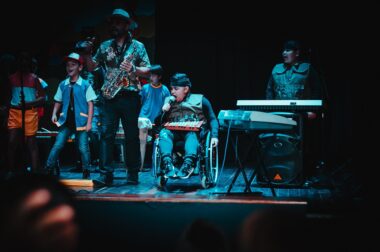
Adaptive dance and movement is an essential component of adaptive fitness. Through engaging in dance, individuals with disabilities can enhance their range of motion and coordination while also enjoying the rhythm and artistry involved in movement. Many dance programs are designed specifically for the unique needs and abilities of participants, ensuring all individuals can join irrespective of their physical limitations. This inclusive approach promotes self-expression and creativity among individuals with disabilities, allowing them to explore their identities through dance. Furthermore, adaptive dance can serve as a therapeutic outlet, as movement has been shown to alleviate anxiety and improve mental well-being. Dance also encourages social engagement, providing opportunities for participants to connect and build friendships. Many dance classes are conducted in group settings, where participants motivate and uplift each other. As they learn new routines or techniques, the supportive environment fosters a sense of belonging. Moreover, adaptive dance can be integrated into rehabilitation programs, offering a fun alternative to traditional physical therapy. In essence, the combination of adaptive fitness and creativity found in dance pushes boundaries, enabling individuals with disabilities to embrace movement as an empowering and joyful experience.
Inclusivity is at the heart of adaptive fitness and dance programs. Over the years, many organizations have made tremendous efforts to ensure that everyone, regardless of their abilities, can partake in fitness and dance activities. This movement towards inclusivity lays the groundwork for a supportive environment where individuals can thrive. Programs designed with careful consideration lead to participation that is both enjoyable and accessible. Incorporating various adaptive equipment, such as specialized chairs or supports, allows individuals to engage comfortably and safely. Moreover, instructors trained in adaptive techniques further enhance the experience, guiding participants while promoting individual expression. Accessibility can also extend to venue choice, ensuring facilities cater to those with mobility needs. In addition, adaptive fitness and dance promote collaboration between individuals, rehabilitation professionals, and fitness trainers. This multidisciplinary approach fosters an empowering dynamic that encourages personal achievements. Through this collaboration, participants often gain insight into their physical capabilities, pushing themselves further than imagined. Thus, the culture of inclusivity creates an environment rich in encouragement, growth, and resilience. As community members witness the impactful changes in each participant, it contributes to the broader acknowledgment of adaptive fitness in societies everywhere.
The Psychological Benefits of Adaptive Fitness
Beyond physical enhancements, adaptive fitness has profound psychological benefits for individuals with disabilities. Participating in regular physical activities helps reduce stress, anxiety, and depression. Studies have demonstrated that engaging in consistent exercise releases endorphins, natural compounds that improve mood and overall well-being. This positive impact on mental health can promote a heightened sense of self-worth and accomplishment among participants. Individuals often develop a stronger belief in their abilities as they pursue and achieve fitness goals. Furthermore, establishing a routine within adaptive fitness sessions fosters discipline and commitment, qualities that show positive transfers into daily life. As individuals witness progress, whether it’s increased strength or improved mobility, it boosts their motivation to stay active. Being part of a community centered around adaptive fitness also cultivates a sense of belonging. This connection enhances social interactions, reducing feelings of isolation or loneliness often faced by those with disabilities. As friendships form and support is shared, individuals often discover newfound confidence in themselves. In conclusion, the psychological benefits of adaptive fitness expand significantly, encouraging participants to embrace their uniqueness while harnessing their strengths through the power of movement.
Moreover, adaptive fitness can play a transformative role in influencing perceptions about disabilities within society. By showcasing the abilities and achievements of individuals engaging in adaptive programs, the narrative surrounding disabilities shifts. This change leads to greater awareness and acceptance in communities. When more individuals witness the incredible talent and resilience displayed in adaptive fitness, stereotypes and stigmas about disabilities begin to dissolve. Public demonstrations, workshops, and performances, such as adaptive dance showcases, allow a broader audience to appreciate the skills and dedication involved. Such events can serve as powerful platforms for advocacy while educating others about the diverse capabilities of individuals with disabilities. They offer an opportunity to challenge preconceived notions about fitness and movement. Additionally, these efforts can inspire collaboration between fitness centers and local organizations focused on disability rights. As communities learn more, they can cultivate more resources, creating opportunities for individuals to partake in adaptive fitness programs. This inclusivity emphasizes that everyone deserves access to physical activity, leading to a more accepting society. The rise of adaptive fitness not only benefits participants but reverberates positively across various community dynamics, reshaping perceptions, and encouraging inclusivity.
Engagment with Technology
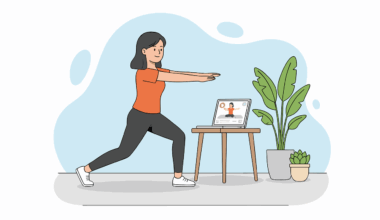
In recent years, technology has become an integral part of the adaptive fitness journey. Innovative platforms and applications enable individuals to access various workout routines and classes tailored to their specific needs. These tools make it easier for those reluctant to participate in traditional gym settings to engage in physical activity in the comfort of their homes. Virtual classes and tutorials led by qualified instructors can enhance these individuals’ skills and confidence. Accessibility-focused apps can track progress, providing unique features tailored to various disabilities, further motivating participants. Moreover, incorporating technology into adaptive fitness creates a more personalized experience; individuals can modify workouts according to their capabilities, enhancing self-efficacy. The integration of wearable devices allows for real-time tracking of health metrics, fostering accountability. Participants can set goals while monitoring improvements in their mobility and endurance. Additionally, gamification in adaptive fitness apps makes exercising engaging and enjoyable. Competitive elements or rewards encourage users to stay active and participate more frequently. Consequently, technology not only enhances accessibility but also revolutionizes how people with disabilities approach fitness, drawing them into a world of creative movement and endless opportunities.
As adaptive fitness continues to evolve, there emerges a greater demand for trained instructors specializing in adaptive techniques. These professionals play a vital role in ensuring exercise programs are safe, enjoyable, and effective. By understanding the unique challenges faced by individuals with disabilities, instructors can tailor sessions that promote individual growth and development. Comprehensive training equips instructors with knowledge about different disabilities, adaptive equipment, and specialized exercises, enhancing their capability to assist participants. Furthermore, fostering a supportive environment in these classes boosts participants’ confidence and willingness to engage in fitness activities. With a focus on safety and inclusion, instructors can empower individuals to transcend their physical limits. The significance of mentorship extends beyond simply instructing—it reflects an important leadership role positively influencing the lives of participants. Awareness of inclusive practices in adaptive fitness translates to overall societal change, emphasizing the importance of access to fitness for everyone. As the demand for adaptive fitness programs grows, it is essential to prioritize continuous education and training for instructors. By doing so, communities can ensure effective strategies for engagement, retention, and overall enhancement of mobility skills among individuals with disabilities.
The future of adaptive fitness looks promising as it gains recognition in the healthcare and wellness sectors. As awareness grows regarding the benefits of physical activity for people with disabilities, more resources are allocated to developing innovative programs. Partnerships between local governments, schools, and nonprofit organizations promote initiatives targeting active inclusive lifestyles. Educational institutions are also beginning to integrate adaptive fitness into their curriculums, aiming to raise awareness among future generations. By fostering emerging professionals trained in adaptive techniques, society can better serve individuals with disabilities in the fitness realm. The focus on adaptive fitness is generating momentum, leading to increased funding opportunities for projects that facilitate accessible programs and experiences. Moreover, community support can bolster awareness of adaptive fitness, driving more residents to participate. As adaptive fitness expands, it paves the way for inclusivity, proving that everyone deserves the opportunity to benefit from physical activity. The collective effort towards embracing differences and promoting engagement in fitness leads to stronger individuals and more robust communities. Therefore, nurturing the adaptive fitness movement is crucial in promoting health, wellness, and mobility among all populations, especially those with disabilities.