
Hydration Strategies for Individuals with Diabetes
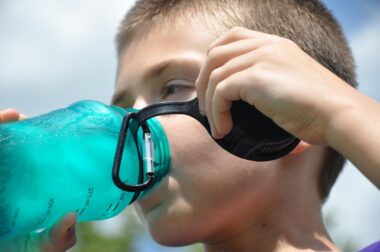
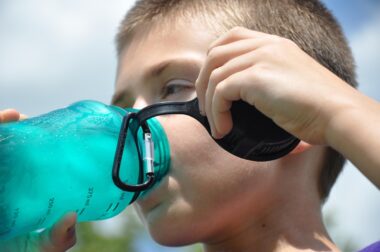
Proper hydration plays an essential role in managing diabetes and overall health. For those living with diabetes, maintaining optimal fluid levels can significantly affect metabolic regulation and blood sugar control. It’s vital to consume adequate water throughout the day to prevent dehydration, which can lead to serious complications. Individuals with diabetes should aim to drink about eight/glasses of water daily, adjusting for activity levels, climate, and personal health conditions. Dehydration can increase blood sugar levels, complicating the management of diabetes. Thus, staying hydrated is a proactive approach. Regularly sipping water throughout the day, rather than consuming large amounts at once, can help maintain balanced hydration levels. Carrying a water bottle at all times can serve as a reminder to drink water often. Additionally, incorporating hydrating foods, like fruits and vegetables, can complement water intake. Being mindful of caffeine and alcohol consumption, which can contribute to dehydration, is also crucial. Patients should consult a healthcare provider to personalize their hydration needs based on their unique circumstances and medical background. Hydration is an integral part of a comprehensive diabetes management plan.
When it comes to managing hydration, understanding individual hydration needs is crucial for those with diabetes. The body’s requirements for water intake may vary based on factors like physical activity level, environmental conditions, weight, and age. People should also consider their medication regimens, as certain medications can affect kidney function and fluid balance. Therefore, consulting a dietitian or healthcare professional for tailored recommendations regarding fluid intake can empower individuals to create effective hydration strategies. To increase awareness of hydration, consider keeping a daily hydration journal, which can help track water intake and assess overall hydration levels. Here are some methods to promote effective hydration: create a water intake schedule, set reminders on your phone, and keep hydration visible in your workspace. Water flavorings and herbal teas can offer variety, making it easier to enjoy hydration. Remember to monitor signs of dehydration, such as dry mouth, fatigue, or headaches. Each individual’s experience with diabetes is different, and personalizing hydration strategies will help ensure that they support overall health while maintaining blood sugar stability.
Practical Hydration Techniques
Incorporating practical techniques for hydration can help those with diabetes establish a consistent routine. One effective method is to blend hydration with meals. Drinking a glass of water before or during a meal can not only help with hydration but also assist in digestion and managing portion sizes. Additionally, trying to consume more fluid-dense foods can facilitate hydration. Foods like cucumbers, oranges, and melons contain a high water content and can contribute positively to fluid intake. Another useful approach is to maintain a visible water source near your workspace. This simple adjustment can remind you to drink and make water more accessible. Leveraging technology by utilizing smartphone apps designed for tracking water consumption can also cultivate better hydration habits. Consider setting goals or challenges within the app to stay motivated. Additionally, being conscious of how your other beverages may impact hydration is essential. High-sugar or caffeinated drinks can lead to dehydration, making water the best choice. Always listen to your body, as thirst cues are vital signals; it is crucial not to ignore them to avoid dehydration.
The Role of Electrolytes
Integrating electrolytes into your hydration strategy can be particularly beneficial for those managing diabetes. Electrolytes, like sodium, potassium, and magnesium, support fluid balance and overall health. For people with diabetes, achieving proper electrolyte balance can aid in controlling blood sugar levels and promoting better bodily functions. Ideally, individuals should aim to replenish lost electrolytes through a combination of foods and beverages. Natural sources of electrolytes include coconut water, fruits, and vegetables. Adding a pinch of salt or electrolyte-enhanced tablets to water can help improve hydration, especially after exercise or in hot weather conditions. It’s crucial to avoid excessive amounts of sodium, as high salt intake can lead to complications in individuals with diabetes. Consulting healthcare providers for personalized electrolyte recommendations can help guide your diet and supplement choices. Individuals can calculate their electrolyte needs based on their activity levels and personal health considerations. Incorporating these strategies into an overall hydration plan can lead to improved well-being while effectively managing diabetes.
In addition to dietary strategies, staying proactive about hydration and its effects on blood sugar is essential. Those with diabetes may experience fluctuating hydration needs depending on glucose levels. When blood sugar levels rise, the body may attempt to expel excess glucose through urination, resulting in fluid loss and potential dehydration. Therefore, regular monitoring of blood sugar levels can correlate with needed adjustments in fluid intake. Maintaining a continuous glucose monitor (CGM) can provide valuable data in real-time, guiding hydration decisions throughout the day. Always remember to drink water when experiencing high blood sugar levels and consult healthcare professionals for appropriate fluid intake adjustments. Creating a supportive environment for hydration can also lead to better results. Communicating with friends, family, and coworkers about hydration goals can foster accountability. Consider hosting hydration challenges to spark camaraderie and encouragement. Tracking how hydration affects daily blood sugar patterns can also unveil personalized insights. With awareness and commitment to hydration, individuals can make positive changes to their diabetes management plans.
Long-term Hydration Goals
Establishing long-term hydration goals can ensure success in managing diabetes effectively. Individuals should prioritize maintaining a consistent hydration routine over time. Recognizing that hydration is an ongoing process, rather than a temporary solution, is essential for promoting overall health and well-being. Individuals may find it helpful to create monthly hydration challenges that involve gradually increasing their water intake. For instance, take an additional glass of water each week until reaching a specific goal. Engaging with close family and friends can further motivate this journey, as shared goals enhance accountability. Additionally, evaluating personal hydration habits regularly can identify areas for improvement and prompt positive changes. Analyzing how seasonal changes impact hydration needs can be beneficial as well. In hotter months, for example, you may need to increase fluid intake during outdoor activities or exercise. Likewise, consider how intense emotional states can affect hydration; stress or anxiety can contribute to dehydration. Attaining a balanced overall health approach involves maintaining hydration as one pillar of a broader diabetes management plan, boosting life quality and promoting effective long-term health.
Ultimately, education about hydration’s importance within diabetes management cannot be overlooked. Empowering individuals with knowledge regarding effective hydration practices enables them to take control of their health journey. Begin by educating yourself about the recommendations and evidence behind hydration daily. Access comprehensive resources, including reputable articles and health organization guidelines, to enhance your understanding of hydration’s role in diabetes management. These educational materials can serve as valuable tools in reinforcing the importance of hydration, especially in challenging situations or when motivation wanes. In addition to individual research, joining support groups or engaging with healthcare professionals can foster greater awareness. Sharing experiences with others in similar situations promotes meaningful discussions and offers insights into hydration strategies that work. Continuing to stay informed about developments in nutrition and hydration science will promote lifelong learning. By committing to a proactive approach and focusing on hydration, individuals living with diabetes can ensure their health remains stable and sustainable in the long term. Through sustained efforts, hydration becomes an integrated part of a balanced approach to diabetes management.
Conclusion and Key Takeaways
In conclusion, managing hydration effectively is a vital component for individuals with diabetes striving for optimal health. Recognizing hydration’s role in blood sugar regulation and overall well-being can transform the approach to diabetes management. Strive to incorporate practical strategies into daily routines while remaining mindful of individual hydration needs. Whether you focus on water intake, incorporating electrolyte sources, or making hydration visible in your environment, small adjustments can lead to significant changes over time. Awareness of hydration’s impact on blood sugar levels can empower informed decisions moving forward. Remember to advocate for an ongoing dialogue with healthcare professionals to personalize hydration plans and set long-term goals. Over time, consistent hydration habits will positively influence energy levels, cravings, and mood, supporting a healthier lifestyle overall. Optimize hydration by tracking consumption and adjusting as needed, accounting for seasonal changes and unique individual patterns. Prioritize hydration in diabetes management strategies to enhance quality of life and prevent complications. Embrace the essential role hydration plays in well-being and find enjoyment in the many ways hydration can enhance life while managing diabetes efficiently.