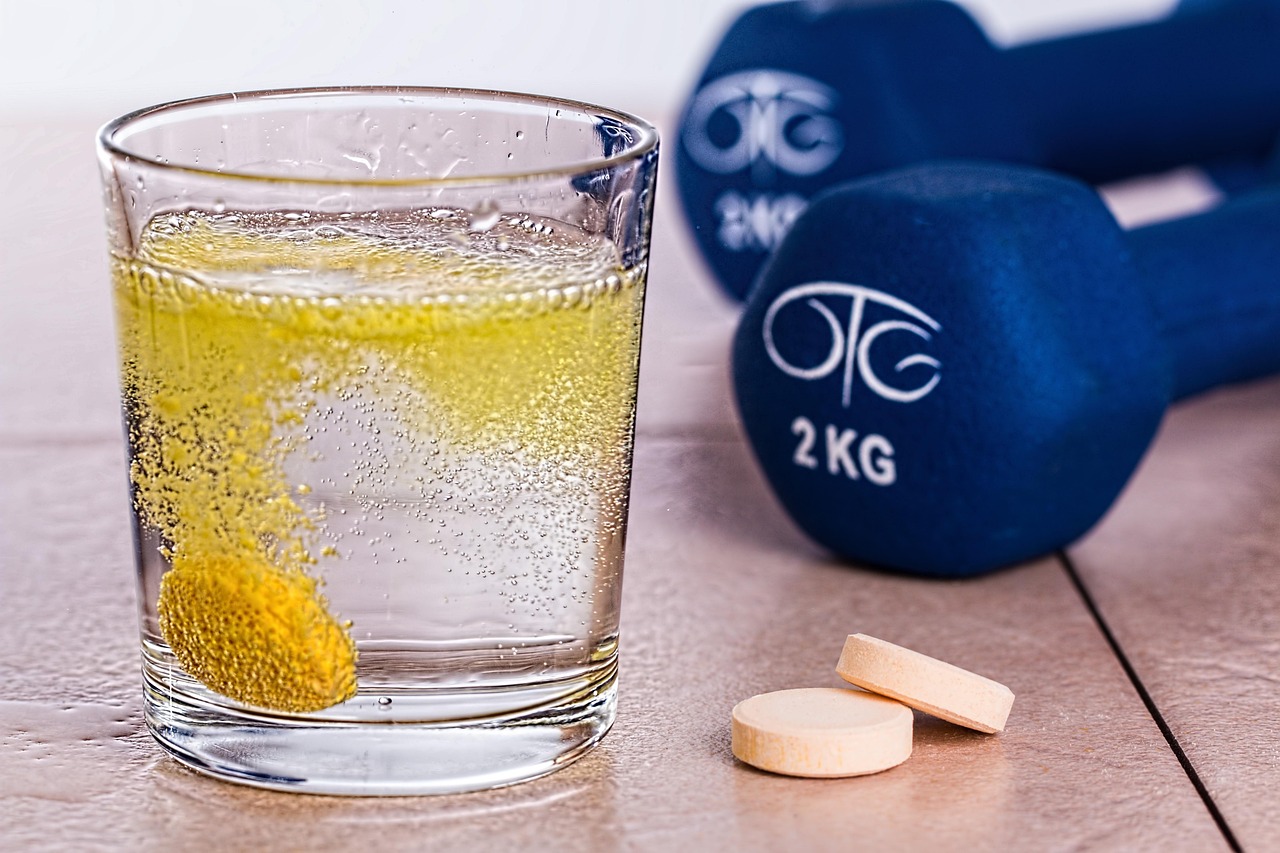

Hydration and Nutrition: Post-Event Essentials
Post-event nutrition plays a crucial role in recovery and performance enhancement for athletes. Following an intense sporting event, your body requires replacement and recovery nutrients. This phase is unique, demanding immediate attention to your hydration and macronutrient intake. Ideally, you should replenish fluids and energy levels as soon as possible post-event. Proper hydration ensures your body rebounds efficiently, preventing fatigue and potential injuries. Water is essential but consider balanced electrolyte drinks that restore lost minerals. Food choices afterward are just as critical; consuming carbohydrates allows glycogen stores to recover. Such intake is essential, especially if you plan to engage in further activity soon. Incorporating protein within 30 minutes post-exercise promotes muscle recovery and synthesis. Target meals rich in quality proteins like chicken, fish, or alternative sources for vegetarians. Consider wrapping it all up with healthy fats, fruits, or vegetables for well-rounded nutrition. Monitor your body’s response and adjust based on your unique needs. Listening to your body sets a solid foundation toward your next athletic endeavor and ensures an efficient recovery cycle. Each athlete has different preferences, so find what best works for you.
Hydration after an event extends beyond merely drinking water. It involves thoughtful choices to maximize recovery. Electrolyte balance is crucial, especially after enduring sweat. Including sodium, potassium, magnesium, and calcium-rich foods aids this balance. Consider products specifically designed for athletes; they often combine electrolytes with carbohydrates for a dual recovery approach. Sports drinks can fulfill this role effectively. Consumption should begin within two hours post-event, focusing on restoring lost fluids and electrolytes. Aim for approximately 16 to 24 ounces of fluid for every pound of body weight lost during the event. When eating solid foods, prioritize those high in carbohydrates such as whole grains, fruits, and legumes. This combination helps replenish glycogen and offers essential nutrients. Compounding various food textures can enhance enjoyment and improve food intake. Think about smoothies, salads with grains, and savory dishes. Keep your meals colorful with fruits and vegetables offering vitamins to combat oxidative stress. Remember, digestion varies for each person. Pay attention to your body’s signals to optimize recovery time and effectiveness. Refuel as needed without rushing through the process, ensuring you provide your body precisely what it requires.
Importance of Timing in Post-Event Recovery
Timing is a critical component of post-event nutrition, influencing recovery rates significantly. Consuming fluids and meals promptly ensures your body receives essential nutrients when it needs them most. Research supports that intake within 30 minutes after an event maximizes muscle recovery and reduces soreness. Glycogen replenishment must occur quickly, with carbohydrate-rich snacks being a great choice for immediate relief. Examples include a banana, an energy bar, or a recovery shake, which provide rapid digestion and absorption. Follow those quick snacks with a balanced meal within two hours to sustain recovery. Including protein alongside carbohydrates in this meal promotes muscle repair processes effectively. Consider hearty options like chicken with quinoa, salmon with sweet potatoes, or plant-based dishes incorporating beans or tofu. Make hydration continuous; check urine color signs as well; pale yellow indicates good hydration. This simple method can prevent potential dehydration issues after strenuous activities. Keeping the body nourished helps maintain general wellness during training cycles. Ultimately, mastering your timing regimen creates a solid foundation for reaching optimal performance levels. Don’t overlook this critical aspect as it directly influences your physical capabilities.
Recovery beverages are increasingly popular in the sports community, enhancing post-event nutrition efficacy. These drinks often combine protein, carbohydrates, and electrolytes, simplifying the recovery process. They provide a straightforward way to maximize nutrient delivery directly after an event. Look for brands that feature natural ingredients without excessive sugars or artificial additives. Homemade recovery smoothies can compete and offer nutritional benefits tailored specifically to your taste and dietary needs. For example, blending Greek yogurt with fruits and a dash of honey can yield a delicious drink packed with nutrients. Additionally, adding spirulina or other superfoods may elevate health benefits markedly. Focus on creating beverages that maximize fluid intake while energizing the body for subsequent workouts or competitions. Remember that some athletes may have specific dietary restrictions, requiring an assessment of available options. Read nutrition labels carefully to ensure they fulfill your immediate needs. Hydrating with specialized drinks refines not just recovery but overall athletic performance. Consuming these beverages supports muscle repair, fluid restoration, and prepares the athlete for future exertions with less fatigue. Consistency in these choices leads to lasting improvements in your game.
Nutrient-Rich Food Choices
While drinks are essential in recovery, nutrient-rich solid food choices complement this process crucially. Opt for foods rich in natural vitamins and minerals that rejuvenate your body after exertion. Lean proteins from sources such as turkey, eggs, and legumes help repair muscle tissues damaged during competition. Pairing proteins with carbohydrate sources enhances glycogen replenishment after sweat losses. Look toward whole grains, including brown rice or oats, which provide sustained energy throughout your recovery. Additionally, incorporating colorful fruits and leafy greens ensures you absorb antioxidants that combat inflammation caused by physical activity. Foods such as berries, sweet potatoes, and spinach contribute beneficial effects to your overall recovery and vigor. It’s also vital to minimize processed foods rich in additional sugars or unhealthy fats, which can hinder your recovery process. Chef-inspired meals are accessible for home preparation, ensuring balanced nutrition without excessive effort. Explore diverse food textures and tastes to keep post-event meals exciting. Balance is key; prioritize healthy snacks, meal variety, and personal preferences when planning. A well-rounded approach helps maintain motivation. Creating and enjoying meals helps build healthy habits in the long run.
Incorporating quality fats in post-event meals fuels long-term recovery efforts effectively. Healthy fats support immune functions, hormone regulation, and provide crucial energy reserves. Source these from healthy oils like olive oil, nuts, or avocados to ensure optimal benefits. For instance, snacking on nuts or seeds right after intense workouts can boost your recovery experience tremendously. Combining your primary meals and snacks can see increased enjoyment leading to higher overall consumption. Fats slow digestion, but in moderation, they help sustain energy levels after an event. Pair high-fiber foods with these healthy fats to improve digestion further, maximizing nutrient absorption, effectively managing blood sugar levels, and preserving longer-lasting energy. Assessing your goals is essential when integrating fats into your routine; performance-driven athletes might want to adjust intake based on activity levels. Keeping track of these patterns allows for consistent energy sources during periods of high exertion. This thoughtful approach is instrumental in ensuring your overall health remains a top priority without overlooking recovery needs. Commitment here leads to streamlined growth and adaptation, so embrace healthy fats throughout your nutritional plan.
Final Thoughts on Post-Event Nutrition
In conclusion, prioritizing hydration and nutrition post-event is crucial for every athlete looking to optimize performance and recovery. Implement practical strategies right after your events, ensuring your body receives immediate support to restore its functionality. Enrich your diet with balanced meals comprising proteins, carbohydrates, and healthy fats while maintaining hydration levels. Be proactive in listening to your body’s signals and adjusting intake paths according to your specific needs. Individualized recovery strategies will dramatically improve how you bounce back from exertion and will optimize your training cycles. Tracking progress during this recovery phase helps ascertain which foods and fluids work best for your body. Don’t underestimate the power of routine as it builds up effectively over time. Engage with professional nutritionists whenever possible for tailored guidance. Empowering yourself with knowledge about sports nutrition will ultimately lead you to better results. Remain consistent and motivated as you apply these post-event nutrition essentials, knowing they lay the foundational groundwork for your sporting journey ahead. Remember, every choice matters, and a dedicated approach reaps rewards during your training and future competitive events.
Utilizing these nutrition tips fosters a culture of health and wellness among athletes. Acknowledging individual variations in nutritional requirements allows you to refine recovery protocols. This understanding proves invaluable in athletic endeavors, transforming how individuals approach their nutrition. Celebrate your achievements as you maintain adaptability in adjusting what works best for you. Always strive for continuous improvement through research and development of your post-event nutritional strategies. Seeking information and resources to guide your approach can inspire confidence in your journey. The continual pursuit of knowledge, paired with the requisite application, creates a solid foundation for athletic prowess. Involve other athletes in conversations about nutrition; sharing experiences can provide fresh insights and best practices to enhance recovery routines. Nutrition should foster community and motivation around healthy habits. Let your nutrition habits evolve and adapt as your athletic journey progresses. Embrace both successes and setbacks as part of your learning process. Striving for nutritional excellence takes time, but rewarding long-term benefits await those willing to commit. As you embark on this adventure, remember you are not alone; the sports community is here to support you!