
How Blue Light Exposure Disrupts Your Sleep Cycle
In today’s digital world, blue light exposure has become a significant concern, particularly regarding its effects on sleep. Various sources of blue light, including smartphones, tablets, and computer screens, emit this spectrum of light that can interfere with our natural circadian rhythms. Many individuals underestimate the extent to which these devices can impact sleep quality and duration. Research shows that blue light significantly affects melatonin production, a crucial hormone that regulates sleep. When melatonin levels are disrupted, falling asleep becomes more challenging, leading to potential insomnia and other sleep-related issues. Furthermore, the problem is exacerbated in the evening when screen time is often at its peak. This article will explore how blue light affects sleep and discuss strategies for mitigating these effects, enabling better sleep hygiene and overall well-being. By understanding the implications of blue light, individuals can make informed decisions about their media consumption habits. Awareness of the need to reduce exposure to artificial light is vital, especially before bedtime. Taking steps can lead to improved sleep quality and better health outcomes. Understanding the science behind this disruption can empower individuals to improve their sleep practices.
One key aspect of blue light’s influence on sleep is its effect on circadian rhythms. Our bodies naturally follow a 24-hour cycle, influenced by light and darkness. During the day, exposure to natural light helps to regulate this cycle, promoting alertness. However, exposure to artificial blue light during the evening sends misleading signals to the brain, suggesting it is still daytime. As a result, the body may delay the production of melatonin, leading to difficulties falling asleep. This misalignment can significantly hinder the quality of sleep obtained. Studies have pointed out that reduced melatonin levels can lead to fragmented sleep patterns and lighter sleep stages, making individuals feel less rested even after a full night in bed. Behavioral changes are crucial for those struggling with sleep issues related to blue light. Limiting screen time at least an hour before bed and utilizing blue light blocking glasses are effective preventative measures. Implementing these strategies allows the body to recalibrate its internal clock, leading to a more restful night’s sleep. Sleep is intricately linked not just to personal health but to overall physical and mental well-being. Examining the root causes of sleep disruption is essential.
The Science Behind Blue Light
Understanding the science behind blue light is essential in recognizing its impact on sleep. Blue light, particularly in the 460-480 nm wavelength, is particularly potent in inhibiting melatonin secretion. Unlike other wavelengths of light, blue light is more likely to disrupt sleep and send signals to the brain that it is daytime. Both natural and artificial sources of blue light can be detrimental. While sunlight provides essential benefits to mood and energy levels, excessive exposure to artificial blue light from screens can lead to complications. Recent studies indicate that blue light can also affect sleep quality, revealing provocatively that extended exposure can lead to long-term health risks. Chronic sleep deprivation, in particular, has been linked to a range of physical and mental health issues, including obesity, diabetes, and anxiety disorders. People often overlook these long-term effects when considering their daily screen time. The disconnect between screen habits and their impacts on sleep cycles needs to be addressed. Armed with knowledge, individuals can take proactive measures to safeguard their sleep health and overall well-being. Education on blue light’s effects will help encourage healthier habits for better sleep.
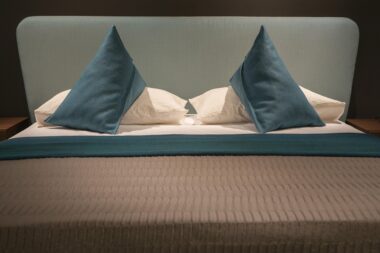
Furthermore, our sleep environment plays a crucial role in mitigating blue light exposure. Creating a dark and relaxing environment is vital for promoting sleep. This includes using blackout curtains to block out external light, ensuring that electronic devices are kept away from the sleeping area, and utilizing features that reduce blue light emissions from devices. Many devices now offer night modes or blue light filters, which shift the screen’s hue to warmer tones during the evening hours. By enabling these features, users can decrease the potential harmful effects of screens, assisting in maintaining natural melatonin levels. Additionally, incorporating other calming activities into bedtime routines, such as reading, meditative practices, or listening to soothing sounds, can create an environment conducive to restful sleep. These practices not only counteract blue light’s detrimental effects but also promote relaxation. Soaking in a warm bath or applying essential oils can further enhance this calming atmosphere. Thoughtful adjustments to our immediate environment can lead to better sleep outcomes. Practicing mindfulness about our light exposure choices sets the stage for healthier sleep practices, ultimately improving our overall quality of life.
Implementing Changes for Better Sleep
To effectively address blue light’s disruptions, individuals should actively implement changes in their daily routines. The importance of establishing a consistent sleep schedule cannot be overstated. Going to bed and waking up at the same time each day, including weekends, can help regulate the circadian rhythm, promoting deeper sleep. Monitoring screen time, particularly in the hours leading up to bedtime, is crucial. Consider instituting a ‘digital curfew’ by designating times to refrain from electronic devices. For example, consider setting aside the last hour before sleep as time to disconnect from screens entirely. Instead, focus on activities that are less stimulating and more relaxing. Investing in good-quality, comfortable sleep essentials such as linens, pillows, and pajamas can also enhance sleep quality. The right sleep environment, coupled with reduced blue light exposure, promotes optimal conditions for rest. Encouraging positive sleep hygiene is fundamental. Through these conscious alterations in habits and environments, achieving sound sleep becomes a realistic and gratifying endeavor. Combatting blue light’s harmful effects ultimately contributes to improving both sleep quality and overall well-being.
In addition to these practices, educating oneself about the effects of blue light can empower individuals to make informed decisions. Resources on sleep health are widespread, helping to raise awareness about blue light’s role in sleep cycles. For instance, various online articles, studies, and expert blogs focus on actionable tips for limiting exposure to screens. Furthermore, health professionals can provide personalized recommendations tailored to individual lifestyles. Engaging with community resources such as workshops, webinars, or sleep seminars can bolster understanding and promote collective behavioral change. Emphasizing the importance of sleep in our daily routines should become a collective agenda. Acknowledging the relationship between blue light and sleep health acts as a catalyst for adopting healthier lifestyle choices. Engaging actively in discussions about sleep health and promoting practices that mitigate blue light’s impacts can benefit society at large. Understanding the science behind sleep disruptions inspires individuals to take their sleep seriously, fostering a community resilient to the challenges posed by technological advancements. Embracing these lifestyle shifts will ultimately enhance our collective health outcomes. Balancing technology use and sleep will lead to an overall improved quality of life.
Conclusion
In summary, blue light plays a detrimental role in disrupting our sleep cycles. By understanding its effects, we equip ourselves with the knowledge necessary to combat this challenge. Implementing change is achievable through actions such as reducing screen time, optimizing our sleep environments, and adhering to consistent sleep schedules. Utilizing technological solutions like blue light filters can mitigate negative impacts from screens. Moreover, adopting healthier habits like limited exposure to blue light before sleep and other mindfulness practices also contributes significantly. Education is foundational in addressing these issues, guiding individuals toward making necessary adjustments in their habits and environments. Engaging with sleep health resources and fostering community awareness further consolidates the importance of this discussion. Thus, the relationship between blue light and sleep becomes clearer, underscoring the need to take action for sleep improvement. Prioritizing sleep health amidst a technology-driven lifestyle is crucial. Better sleep is achievable through committed efforts to reduce the adverse effects of blue light. Embracing healthy practices will lead to improved sleep quality and overall well-being, equipping individuals to thrive in their daily lives. Sleep does not only contribute to health; it also enhances productivity, mood, and overall life satisfaction.
In conclusion, taking the steps to minimize blue light exposure, especially in the evening, is crucial for healthy sleep patterns. The impact of technology on our lifestyle cannot be overlooked, but awareness and proactive changes can help revive restful sleep. Making informed choices about screen time, optimizing the sleep environment, and establishing a calming bedtime routine are some effective strategies. Together, these efforts promote better sleep hygiene, empowering individuals to embrace a more balanced lifestyle in the face of blue light distractions. By promoting preventative habits, we can ensure restorative sleep, ultimately enhancing both mental and physical health. Recognizing the significance of sleep in our lives highlights the need for conscious choices that respect our natural rhythms. Sleep and health are interwoven, driving our capacity to function effectively and maintain well-being. By prioritizing healthy sleep habits, we cultivate resilience against the negative impacts of modern life. Therefore, it is essential to continuously educate ourselves about sleep health. Taking a proactive approach enables individuals to safeguard their sleep quality amidst growing blue light exposure, creating lasting effects on overall wellness and ensuring healthier nights and better days ahead.