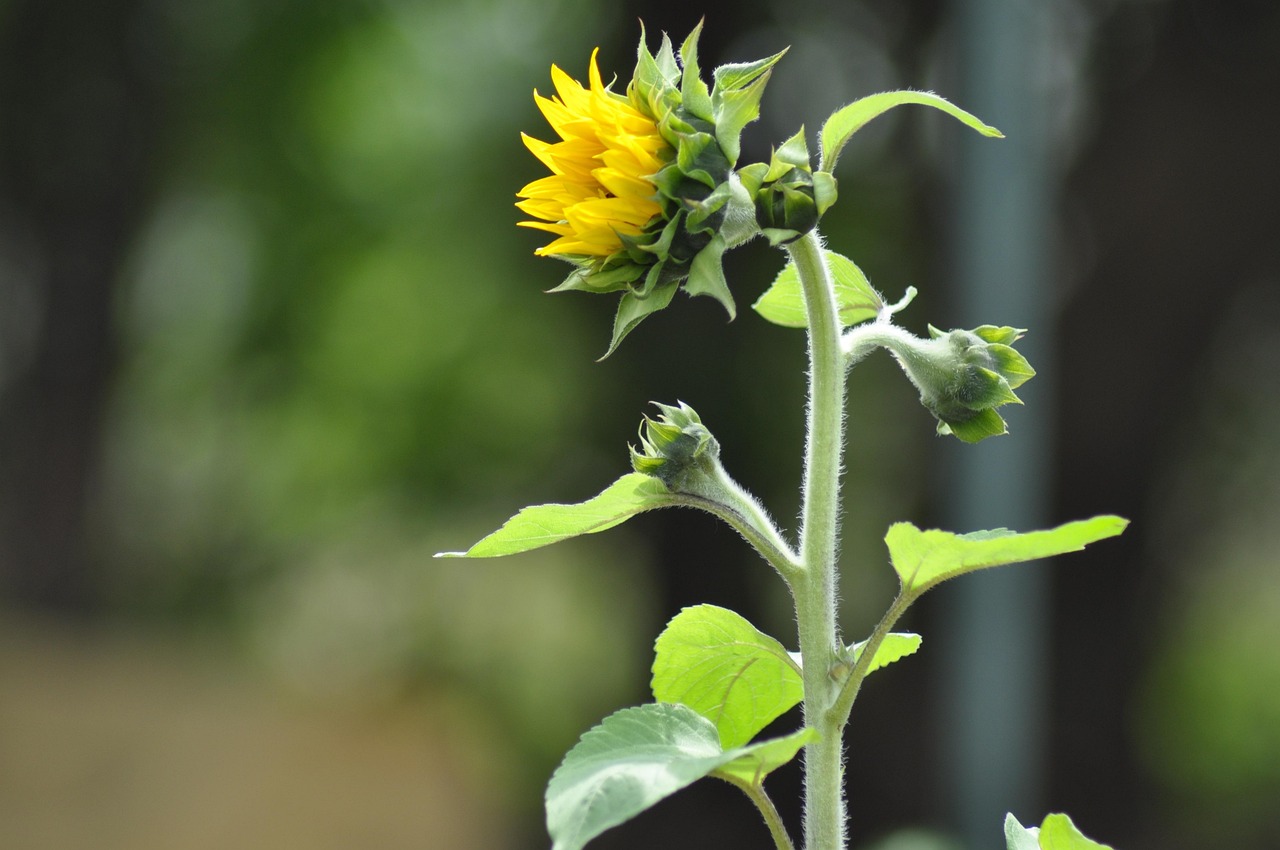

Community Gardens: Cultivating Fitness and Social Bonds Among Seniors
Community gardens are an incredible way for seniors to engage in both physical activity and social interactions. By participating in these gardens, older adults can benefit from the physical exercise of gardening. This form of exercise, which includes planting, weeding, watering, and harvesting, helps improve both strength and flexibility, all critical components for aging individuals. Regular physical activity can lead to a healthier lifestyle, contributing to better heart health and increased stamina. Furthermore, gardening allows seniors to enjoy the outdoors, providing exposure to sunlight and fresh air, boosting mood and overall well-being. These spaces become vibrant with life, enabling older adults to connect with nature while simultaneously providing a purposeful activity. Community gardens also foster a sense of belonging and teamwork, as they involve collaboration with diverse individuals in the community. The interactions can help reduce feelings of loneliness and isolation that many seniors experience. Thus, community gardens serve as a holistic approach promoting both fitness and strong social ties. The impact of these gardens extends beyond mere physical benefits, encompassing emotional and psychological support as well, benefiting the aging population immensely.
Benefits of Community Involvement
Engaging in community gardening enhances social interaction among seniors, promoting a supportive community environment. Through these gardens, older adults can meet new friends, share gardening tips, and even trade produce. This social support system helps foster relationships, allowing seniors to feel connected, which is essential for emotional well-being. Many community gardens encourage collaborative events, such as potlucks or workshops, where seniors can further socialize and learn from each other. The benefits of these programs cannot be overstated as they help create bonds that sustain over time. Strong social networks are known to positively impact mental health by reducing stress, anxiety, and depression among older populations. Additionally, working alongside others fosters accountability and motivation, promoting participation and involvement. Through collective efforts in their community gardens, seniors can take pride in their contributions, bolstering self-esteem. Many gardens also incorporate educational programs about healthier eating, enabling seniors to make better dietary choices. This not only enhances their nutrition but reciprocally strengthens their social ties by sharing knowledge and experiences in a friendly, collaborative atmosphere.
Physical activity has numerous benefits for seniors, especially when it is enjoyable and integrated into their daily lives. Gardening naturally offers a range of movements and exercises that keep seniors active. Digging, bending, and reaching stimulate various muscle groups while improving balance and coordination. It is crucial for elders to maintain physical agility, as it directly affects their quality of life and independence. By utilizing community gardens as a form of exercise, seniors can seamlessly integrate fitness into their routines without it feeling burdensome. Furthermore, gardening provides sensory stimulation, as many plants offer fragrant smells, colorful blooms, and textures to feel. Such experiences can spark joy and engagement in seniors, making it a meaningful activity. Moreover, participating in timed gardening events can infuse an element of fun and competition, encouraging participation and physical exertion. Ultimately, these exercises lead to improved physical health outcomes and strengthen muscle memory. Resources such as improved mobility and strength can enable seniors to engage in various daily activities more confidently. Ensuring that physical fitness remains an enjoyable part of life can have substantial long-term effects for older adults.
Encouraging Healthy Eating Habits
Participating in community gardens has the additional benefit of promoting healthy eating habits among seniors. As older adults work in these vibrant spaces, they are exposed to a variety of fruits, vegetables, and herbs, which can improve their diet significantly. The knowledge gained about growing food can spark their interest in trying new recipes and healthy cooking techniques. Moreover, consuming fresh produce harvested directly from the garden can enhance their nutritional intake. Sensory engagement is a vital aspect of this learning, encouraging seniors to appreciate the flavors and benefits of whole foods. Therefore, community gardens can also serve as platforms for teaching about balanced diets and functional eating. Workshops typically hosted within these gardens discuss the importance of nutrition in relation to aging. Many events promote cooking classes that utilize harvested ingredients, offering practical lessons that inspire healthier lifestyle choices. These practices ultimately empower seniors to take charge of their health, leading to fewer chronic conditions and enhancing longevity. Such initiatives not only lead to better physical condition but also encourage social learning and connection, ensuring that seniors continually thrive within their communities.
Climate-friendly practices integrated into community gardens further encourage sustainability and environmental awareness among seniors. These initiatives often teach participants about organic gardening and the benefits of reducing chemical use. By engaging in environmentally sensitive gardening practices, older adults can also contribute to the overall health of their locality. This sense of purpose is essential for elders, as it fosters a feeling of responsibility towards their community. Sustainability practices like composting or rainwater conservation can be incorporated into community gardens, providing seniors with a hands-on way to participate in eco-friendly efforts. Furthermore, engaging in sustainable practices creates discussions that connect seniors to broader environmental issues. As they learn and contribute, they can also inspire younger community members, creating intergenerational exchanges of wisdom and knowledge. This creates a unique dynamic within the community, further solidifying friendly ties. The importance of fostering an environmentally conscious mindset significantly impacts communal resilience and wellbeing for older generations. Such practices allow seniors to remain active contributors to their environment while cultivating meaningful relationships, consolidating the social fabric within their community gardens.
Fostering Intergenerational Relationships
Community gardens are excellent settings for fostering intergenerational relationships. Older adults often bring decades of gardening experience, while younger individuals typically bring new ideas and energy. Pairing the two creates a lively environment where knowledge is exchanged. Seniors can mentor younger gardeners, sharing valuable insights and techniques that can nurture the next generation. This collaboration helps bridge the gap between generations, allowing both to learn and grow from each other. Such relationships often blossom into meaningful friendships, leading to a vibrant, inclusive community atmosphere. These interactions can also instill respect and understanding between age groups, breaking down stereotypes about aging and youth. When children see seniors actively engaged in gardening, they develop a positive perception of aging. They learn to value the knowledge older adults provide while appreciating their contributions. This camaraderie fosters an enriched community spirit, leading to greater participatory engagement. Furthermore, by teaching children about the cycle of growth through gardening, seniors help instill a sense of responsibility and environmental stewardship among younger generations. Such intergenerational gardening is critical for creating connected communities, where every age group contributes towards a common purpose.
The impact of community gardens goes beyond individual relationships; they enhance the overall quality of life for local seniors. These multi-faceted spaces promote health, well-being, and social connectedness, leading to a more fulfilling life. Participants have reported increased happiness and satisfaction through their engagement in gardening. Moreover, the physical manifestation of their hard work brings joy and accomplishment as they witness their plants flourish. Serving as a perfect venue for community events, these gardens create opportunities for celebration and interaction. Organizing seasonal gatherings can promote a sense of tradition, further solidifying bonds among community members. These events also often raise awareness of local food resources, inspiring further community cohesion. Additionally, planting community projects such as flower beds or shared vegetable plots creates ownership and pride among seniors. Working collaboratively toward shared goals emphasizes teamwork, boosting collective responsibility. Ultimately, community gardens can become essential components of senior living, ensuring inclusivity, mental health, and a healthier lifestyle. By cultivating both plants and relationships, these gardens help preserve the vibrancy of life among the aging population, facilitating a community where every member matters and thrives.
Conclusion: The Lasting Impact of Community Gardens
In conclusion, community gardens serve as an invaluable resource for seniors, fostering fitness and social bonds that are crucial for aging well. These interactive spaces encourage physical activity, facilitate healthy eating habits, and promote intergenerational relationships that enrich community dynamics. Through various gardening activities, seniors not only benefit their own physical health but also enhance their emotional and social well-being. The collaborative nature of community gardening provides older adults with a sense of purpose and belonging, essential elements in mitigating loneliness and isolation. As people continue to engage in these local gardens, they plant seeds of hope and resilience that benefit future generations as well. Community gardens also encourage environmental awareness and sustainability, reinforcing connections within the community. Ultimately, the impact of community gardens extends beyond the physical act of gardening, offering a foundation for meaningful social interactions, improved health, and lifelong friendships. By emphasizing the importance of community support and social fitness, we can create an inclusive environment that allows every senior to thrive. Such initiatives promise to empower older adults, ensuring they remain active, engaged, and fulfilled within their communities.