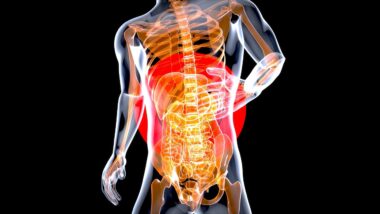

Boost Your Digestion Naturally with Deep Breathing Exercises
Deep breathing serves as one of the most effective natural techniques to enhance digestion, providing a plethora of benefits for both mind and body. When we engage in deep diaphragmatic breathing, the body receives an adequate oxygen supply necessary for proper cellular function. This oxygen promotes the efficient operation of all bodily systems, including the digestive system. Furthermore, deep breathing can help in alleviating stress, which, as we know, can negatively impact digestion. Stress can lead to issues such as bloating, gas, and even constipation. By consistently practicing deep breathing techniques, individuals may find relief from these discomforts, supporting smoother digestive functioning. Additionally, the rhythmic nature of deep breathing promotes relaxation of the abdominal muscles, directly aiding in digestive processes. Over time, integrating deep breathing exercises into daily routines can also foster mindfulness, further encouraging a healthy approach to eating and digestion. Overall, the combination of relaxation, proper oxygen flow, and enhanced bodily awareness makes deep breathing a valuable ally in boosting digestion naturally.
To begin practicing deep breathing exercises effectively, it’s essential first to understand the proper technique. Start by finding a comfortable, quiet space where you can sit or lie down without distractions. It is advisable to close your eyes to enhance focus. Begin by inhaling deeply through your nose, allowing your abdomen rather than your chest to expand. This technique maximizes lung capacity and ensures proper oxygenation. Hold this breath for a moment, then exhale slowly through your mouth, allowing your abdomen to fall. During exhalation, visualize releasing tension and negativity from your body. Repeat this process for several minutes, gradually extending the inhalation and exhalation duration. Aim for a balance – inhaling for a count of four and exhaling for a count of six may work well for beginners. As you become comfortable with this practice, try integrating this technique before meals, as it can prime your digestive system and enhance satisfaction. With commitment, these exercises can significantly strengthen the mind-body connection and promote body awareness, ultimately leading to improved digestion and overall well-being.
Benefits of Deep Breathing for Digestion
Engaging in deep breathing exercises specifically tailored for digestion presents numerous advantages. First and foremost, by activating the diaphragm, deep breathing facilitates better circulation of blood and oxygen throughout the body. This improved blood flow supports the organs involved in digestion, enhancing their functionality. Furthermore, deep breathing can aid in the stimulation of the vagus nerve, which plays a key role in controlling organ functions, including digestion. This stimulation encourages the release of digestive enzymes and gastric juices necessary for food breakdown. Additionally, deep breathing can help modulate the stress hormone cortisol, often elevated during periods of anxiety or discomfort. As cortisol levels stabilize, digestive disturbances tend to diminish. Practicing deep breathing techniques can alleviate issues like acid reflux, bloating, and stomach cramps, contributing to overall digestive health. Consequently, individuals may find it easier to absorb nutrients from their food, resulting in better vitality and health. In summary, the integration of deep breathing exercises into one’s lifestyle fosters a holistic approach to digestive wellness, ultimately enhancing quality of life.
It’s important to understand how to effectively incorporate deep breathing techniques into your daily digestive health routine. As stated earlier, practicing deep breathing before meals can significantly optimize digestion. Aim to dedicate five to ten minutes before each meal solely to breathing exercises. This practice not only encourages mindful eating practices but also prepares your body for digestion. Furthermore, integrating periods of deep breathing throughout the day, especially during high-stress moments, can create a beneficial habit. Whenever you experience tension, take a moment to pause and focus on your breath. Additionally, pairing deep breathing with stretching or yoga can create a powerful synergy. As you breathe deeply, incorporate gentle movements to further enhance relaxation and abdominal massage. Creating consistency is key; make it a point to set regular reminders in your schedule. As a gentle reminder, mobile apps designed for mindfulness often include guided breathing exercises and other awareness prompts. Over time, these practices become an integral part of your lifestyle, helping promote healthier digestion and overall well-being.
Mindful Eating and Breathing
Mindful eating goes hand in hand with deep breathing exercises as a way to improve digestion. A common challenge many individuals face is the inability to fully appreciate their meals, leading to overeating or digestive issues. By adopting the principles of mindful eating, one learns to slow down during meals, paying attention to the taste, texture, and aroma of food. Incorporating deep breathing into this practice enhances it significantly. Before you take that first bite, take a few deep breaths to center yourself. This moment of awareness allows your body to cue in on its hunger signals and prevents impulsive eating. Furthermore, pausing between bites to breathe deeply can assist in the body’s natural digestive rhythm. Not only does this enhance satisfaction during meals, but it also encourages the body to easily further break down food. Practicing these techniques consistently builds a healthier relationship with food and can lead to improved digestion and weight management. Ultimately, the synergy between deep breathing and mindful eating provides a holistic approach to digestive health that anyone can adopt.
Integrating deep breathing exercises into closure routines can also enhance digestive health. Engaging in these practices at night allows the body to unwind, ensuring better digestion. Stress experienced throughout the day can carry over, impacting the body’s ability to digest effectively during sleep. By incorporating deep breathing before bed, individuals can relieve built-up tension and re-establish a sense of calmness. Additionally, adopting a restorative sleeping position can facilitate deep breathing during sleep, enhancing oxygen intake further. Individuals can practice relaxation by lying comfortably on their back, placing a pillow under their knees, and taking deep breaths. This method alleviates pressure on the digestive organs while promoting the natural digestive process. Those prone to nighttime bloating or discomfort may find this practice particularly beneficial. A bedtime routine including deep breathing, body relaxation, herbal tea, or gentle yoga can establish a restful and restorative environment for digestion. As a result, consistency in these routines will lead to lasting benefits for overall digestive health, translating into increased energy and vitality for the day ahead.
Conclusion
In summary, deep breathing exercises offer numerous benefits for enhancing digestion naturally. When integrated into daily routines, these practices promote a holistic approach to wellness that can result in improved digestive efficacy and overall health. By honing in on the crucial connection between breath and the digestive system, individuals can address and alleviate various digestive concerns. Creating a consistent habit of deep breathing primed for digestion not only encourages mindfulness throughout meals but also enhances nutritional absorption and satisfaction. It is crucial to remember the connection between mental and physical health when addressing digestive issues. As stress, anxiety, and poor eating habits can drastically affect digestion, incorporating deep breathing can help in mitigating these concerns. With a blend of commitment, practice, and an understanding of the body’s needs, individuals can unlock the powerful benefits of deep breathing for their digestive health. Ultimately, these simple yet impactful techniques can lead to enhanced well-being, vitality, and overall quality of life. Embracing deep breathing as a routine component will significantly support one’s strive for digestive harmony.
Caring for your digestive health is fundamental, and embracing the natural techniques such as deep breathing is a step towards achieving optimal wellness. Deep breathing is an easy and accessible method for everyone. Integrating these exercises into a routine can yield significant benefits, alleviating discomfort and fostering overall digestive health.