
Basic Krav Maga Techniques for Beginners
Krav Maga is a self-defense system developed for the Israeli military that focuses on real-world situations and effective defense tactics. For beginners, understanding the basic techniques is essential for building confidence and competence in this martial art. One of the most fundamental techniques is the front kick, which can help you create distance between you and an attacker. The front kick is delivered by raising your knee and extending your leg towards the target, which can be the attacker’s knee or groin area. It’s crucial to practice the technique slowly and then gradually increase speed. Furthermore, emphasize correct form and maintain balance while executing the kick. Another necessary technique for beginners is the elbow strike, which can effectively incapacitate an opponent in close-range situations. This technique requires a strong twist of your hips and shoulders to deliver force to the elbow. Practicing these techniques will involve repetition and ideally, training with a partner to simulate real-life scenarios and improve your timing. Consistent practice is key to mastering these basic Krav Maga techniques.
The Importance of Stance
The stance is a critical aspect of Krav Maga as it sets the foundation for all techniques. A strong and stable stance not only enhances your balance but also provides the agility necessary to react effectively during a confrontation. Beginners should learn the fighting stance, which typically involves feet shoulder-width apart and knees slightly bent, ensuring readiness to move in any direction. Holding your hands up by your face protects your head while allowing for quick strikes when necessary. Proper foot positioning is equally important; shifting weight between your feet allows for fluid movement and defense. Additionally, practicing how to move in and out of the stance will enhance your ability to evade attacks. As you become more comfortable with the stance, incorporate shifts into your practice routine. Remember that a good stance becomes instinctual through repetition. Regular drills that focus specifically on stance and movement in various scenarios will create muscle memory, which ultimately will enhance your overall performance in Krav Maga. Beginners should dedicate adequate time to mastering this essential part of their training.
Another basic technique crucial for beginners is the palm strike, favored for its speed and effectiveness. This technique is particularly advantageous in a close-quarters conflict where quick retaliation is needed. To execute a palm strike, one should raise their hand with fingers extended while keeping the palm flat. It’s essential to aim for vulnerable areas such as the nose, throat, or chin, maximizing the impact of the strike. As you practice, focus on using the body’s natural momentum to enhance the power behind the strike. Combine the palm strike with your body weight to achieve greater efficiency. Incorporate footwork to create more distance between you and your opponent after the strike. Regular practice of the palm strike, integrating it with both offense and defense maneuvers, will improve your coordination and timing. Moreover, practicing with a partner allows for real-time feedback on the effectiveness of the technique. Learning to perform these basic techniques with precision will set a strong foundation for your progress in Krav Maga. To further enhance your training, try introducing combinations that integrate kicks and strikes.
Defensive Techniques
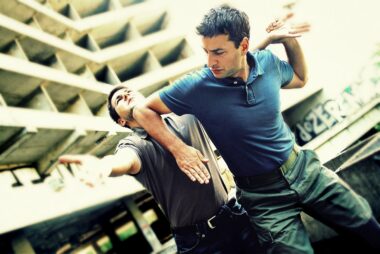
Learning how to defend oneself is a core aspect of Krav Maga, and beginners should familiarize themselves with several defensive techniques. Understanding how to deflect attacks can make a huge difference in a self-defense situation. One effective defensive move is blocking an incoming strike using your forearm. This technique requires positioning your arm at an angle to redirect the attack away from your face or body. Beginners should practice this technique repeatedly to build reflexes and improve response time. Another vital defensive technique is the chin down, which protects your neck and jaw from strikes while open for counter-attacks. It’s important to combine defensive moves with body movement; stepping off the line of attack creates better positioning for you to follow up with your own strikes. Engaging in partner drills simulates real-life scenarios and helps practice blocking effectively against various attacks. Building a solid foundation of defensive techniques boosts confidence and equips beginners with the skills necessary to handle potentially dangerous encounters. Ultimately, defensive techniques form the cornerstone of effective self-defense, especially for those new to martial arts.
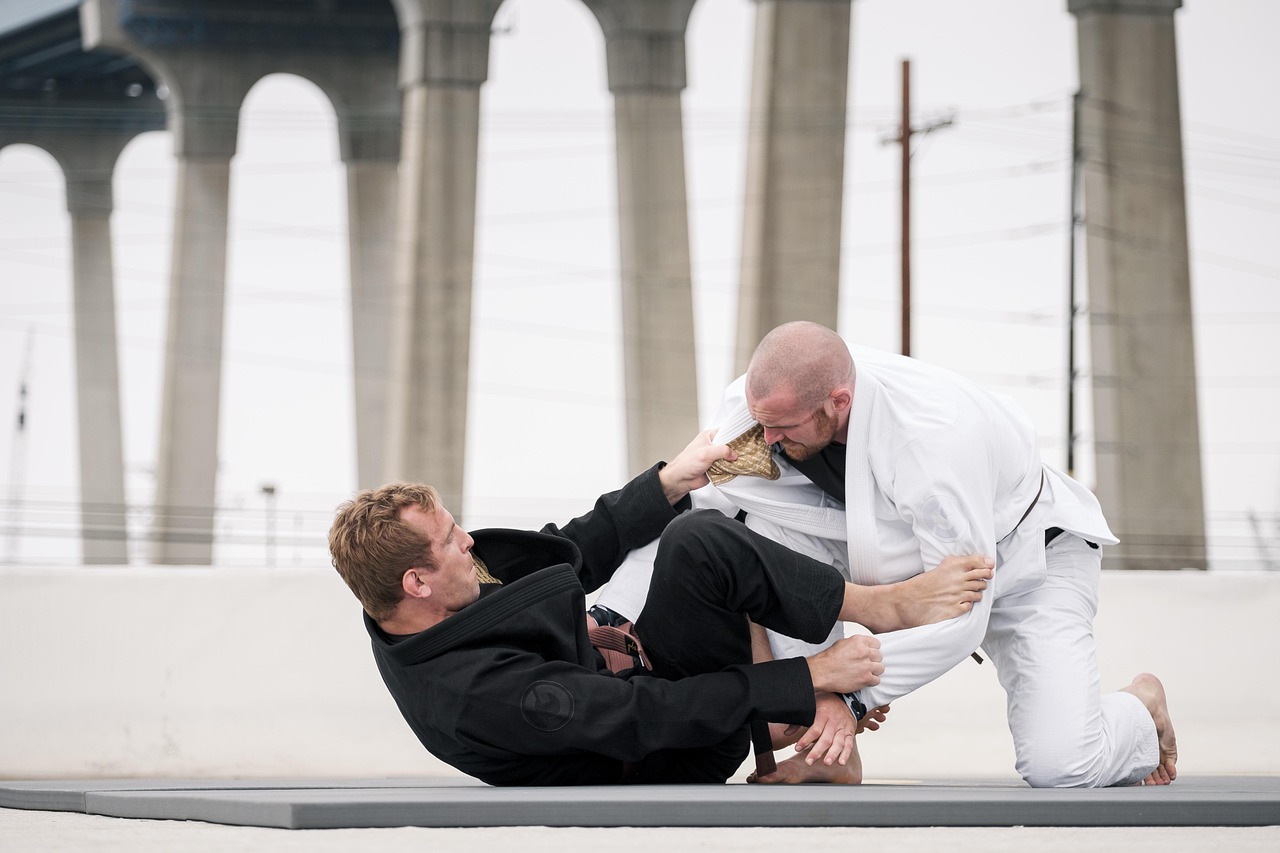
As you progress in Krav Maga, understanding how to perform a tackle can be invaluable in defensive scenarios. The tackle is a technique used to bring a standing opponent to the ground, disrupting their balance and capability to continue an attack. To execute a proper tackle, beginners should bend at the knees and drive through with the shoulder aimed at the opponent’s midsection while grabbing their legs. This approach can effectively take down larger attackers by using momentum and body weight. Practicing this with a partner will enhance timing and control. Ensure to practice falling safely to avoid injury when executing techniques on the ground. Tackle drills should include how to quickly transition between standing and ground techniques. Additionally, consider incorporating grappling basics; understanding how to control an opponent on the ground can be critical for self-defense situations. As beginners become more familiar with the tackle, they can start using it in combination with other techniques learned in their training. Mastering these essentials will allow for significant progression and increased confidence during training.
Countering Techniques
Countering is a crucial aspect of Krav Maga that all beginners should learn. Countering refers to responding to an attack efficiently and effectively, turning the defense into an offensive maneuver. One of the most common counter techniques is the counter punch, executed right after blocking an attack. Timing plays a crucial role—reacting immediately after blocking can catch an opponent off guard. Beginners should practice footwork combined with counter punching to ensure that they maintain balance and control during a confrontation. Another essential countering move is the hook punch, which involves swinging the arm in a horizontal motion. This technique targets an opponent’s head or body and can follow a defensive move seamlessly. Learning how to blend defense with counters develops fluidity and adaptability in real-life situations. As you practice, focus on controlling the distance between you and your opponent to ensure effective counters. Incorporating combinations of techniques will improve efficiency and timing, gradually enhancing your overall self-defense capabilities. Mastering these countering techniques builds confidence and prepares beginners to defend against various attack strategies.
A vital aspect of Krav Maga, especially for beginners, is practicing situational awareness. This involves being aware of your surroundings and understanding how to react to potential threats. It is essential to develop the skill of identifying danger before it escalates into a confrontation. Training in situational awareness should include various scenarios that teach beginners how to assess their environment, such as sensing body language. Participants should practice walking in pairs and identifying possible areas of concern, enhancing their ability to react appropriately. Understanding body language can often give advanced warnings of potential conflict. Incorporating discussions about decision-making processes in training helps reinforce the idea of prevention. It’s important for beginners not only to develop techniques but also to recognize that avoiding confrontation when possible is ideal. Consider role-playing predicaments to practice the art of de-escalation. These types of exercises sharpen mental awareness alongside physical responses. As you gain experience, reflect on how situational awareness can significantly affect personal safety in everyday life. Ultimately, developing these skills prepares beginners for actual self-defense challenges.
In summary, mastering basic Krav Maga techniques requires dedication, practice, and an understanding of the art’s fundamental principles. Beginners should focus on developing a strong stance, practicing striking and defensive techniques, and improving overall situational awareness. Consistent practice is crucial to building muscle memory, increasing reaction time, and enhancing confidence. Training sessions should involve a mix of solo and partner drills to simulate realistic scenarios. It’s valuable to incorporate combinations of techniques to ensure fluid transitions between movements. Self-defense mastery not only involves physical techniques but mental preparedness as well. Regular discussions about conflict resolution and preventive strategies can facilitate a well-rounded approach to self-defense. Remember, the goal of practicing Krav Maga is not only to defend oneself effectively but also to understand the importance of staying aware of one’s surroundings and maintaining safety. As you progress in your training, consider setting personal goals to track improvement. Engaging in community classes or workshops offers additional support and resources. Ultimately, dedication and consistent practice will provide the foundation for advanced techniques in Krav Maga.