
Wearable Safety Devices Every Triathlete Should Consider
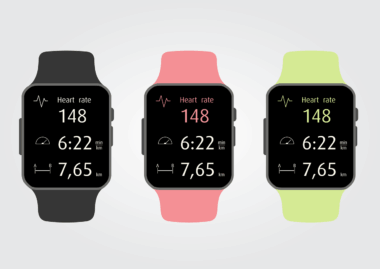
Safety is paramount for triathletes, especially during extensive training sessions. First, consider purchasing a GPS-enabled watch. This device not only tracks your running, cycling, and swimming distances but can also alert you to potential dangers around your route. Additionally, wristbands with emergency contact capabilities offer peace of mind. These gadgets help in notifying designated individuals in case of emergencies. Furthermore, utilizing reflective gear, such as vests or straps, is essential. They increase visibility during early morning or evening runs, making it easier for vehicles to see you. Also, consider wearing wireless earbuds with built-in safety features. Some models can alert you to background noise, ensuring that you stay aware of your surroundings while enjoying music. Finally, check out smart helmets for cyclists. These helmets come equipped with lights and sensors that can broadcast your location. In essence, investing in these devices can elevate your safety levels dramatically while training. Prioritize your well-being using these advanced technologies, ensuring a safer training experience across all triathlon disciplines, ultimately fostering a more enjoyable and fulfilling athletic journey.
In addition to primary safety devices, complementary gadgets enhance the overall training experience. One such device is a heart rate monitor, which helps assess your exertion levels during workouts. It provides real-time data about your performance, ensuring you train effectively while avoiding overexertion. Many triathletes also opt for smart glasses that offer heads-up displays of critical information. These can relay performance stats and navigation directions while cycling or running. Keeping your hands free enhances safety and focus. Moreover, consider using a personal alarm device. Such gadgets are compact, easy to carry, and emit a loud sound in emergencies, deterring potential threats. A bicycle with an intelligent lock system adds another layer of safety. These locks can alert you if someone attempts to tamper with your bike. Also, wearables equipped with fall detection can automatically alert emergency contacts if you suffer an injury. Each of these devices contributes uniquely to your overall safety plan. By integrating such technology into your training routine, you create a proactive approach to safety. Consequently, these enhancements can foster confidence, allowing you to focus on improving performance.
Utilizing Mobile Safety Apps
Incorporating mobile safety apps is another effective measure for triathletes aiming to ensure safety during training. These apps often integrate features such as real-time tracking, route planning, and sharing functionalities with friends or family, crucial for added security. Apps like “RoadID” provide real-time updates on your whereabouts, allowing designated contacts to view your location while you train. Emergency information is accessible at a glance, facilitating faster response in case of incidents. Additionally, apps like “Trailforks” help identify safe routes based on your location, enhancing your overall training environment and experience. Furthermore, strive to enable location sharing settings on your primary fitness apps. This way, friends can monitor your progress and check in if unusual activity occurs. Review data and experiences regularly to improve route selections, further optimizing safety measures. When combined with wearable devices, these applications significantly enhance your ability to maintain situational awareness. Together, they foster a community of support among triathletes, allowing for progress tracking while ensuring safety. This partnership between technology and training ultimately leads to an environment that promotes fitness and reduces risk.
While enhancing safety through technology, it’s vital to also focus on an awareness culture among fellow triathletes. Join local triathlon clubs or online communities to share experiences and strategies regarding safety devices. Engaging with others fosters a support network conducive to learning, where members can exchange valuable insights about effective practices and technologies. Furthermore, staying updated on new safety gear and gadgets ensures you’re using the best tools available. Attend workshops, seminars, and expos where leading brands showcase their latest innovations in triathlon gear. Investigating trends in wearable technology not only keeps you informed but may spark ideas on unique enhancements for your training regimen. Be open to experimenting with new products, as different devices may resonate differently with every athlete. Equally important is creating a checklist before each training session, considering factors such as weather conditions and terrain. Such preparation can significantly reduce avoidance of potential dangers. By combining technological awareness and a supportive community, triathletes can cultivate a proactive safety mindset. These efforts will contribute to more enjoyable workouts, elevating both performance and well-being across the competitive triathlon landscape.
Emergency Preparedness and Communication
Triathletes should prioritize emergency preparedness through training and communication protocols. Familiarizing yourself with common first aid techniques can empower you to handle situations effectively. Consider attending relevant workshops to gain foundational knowledge about basic medical interventions, such as CPR or treating minor injuries. This preparedness can be incredibly beneficial during competitions or intense training sessions. Furthermore, establishing a reliable communication plan with training partners is vital. Ensure everyone knows the protocols for emergencies, such as sharing route plans and estimated return times. Using designated emoji signals or codes for your mobile apps can simplify communication in hostile environments. Also, it’s prudent to carry emergency contact details. A compact document or digital storage on your phone can enable swift access to medical information and contacts. When training in remote areas, ensure your mobile device is fully charged. Carry portable chargers or consider devices integrated with solar panels. Such gear is particularly valuable in extended outdoor training sessions. Thus, incorporating emergency preparedness practices into your training routine not only cultivates confidence but also contributes significantly to overall safety.
As the popularity of triathlons continues to grow, innovative ideas for safety devices become more paramount. Hence, involving local authorities in triathlon events fosters collaboration towards ensuring participant safety. Implement joint initiatives with local police or emergency services to develop comprehensive strategies outlining emergency procedures. Regularly scheduled safety briefings can educate participants on specific routes and areas where higher risks may exist. Collaborating with external organizations also helps in identifying possible safety solutions tailored to local conditions. Additionally, by participating in advocacy for better public infrastructure, triathletes can contribute to long-term safety improvements. This includes promoting safer cycling paths or running trails equipped with necessary signage and lighting. Encourage engagement among local policymakers and communities, enhancing awareness of triathletes’ safety concerns. This brings about dialogue conducive to developing supportive environments. In conclusion, long-term collaborations with local entities can significantly enhance the safety of training zones and events, thereby benefiting the entire triathlon community. By embracing proactive initiatives, triathletes can contribute positively to their environments and encourage a culture of safety, ultimately enhancing their training and competitive experiences.
Conclusion: The Future of Triathlon Safety
The integration of technology and community involvement defines the future of triathlon safety. As wearable safety devices continue to evolve, embracing these innovations will be essential for athletes. Look for advanced features such as integration with health monitoring systems and AI that can provide real-time feedback and alerts. Enhanced connectivity options, such as 5G or satellite communication, may allow for instant access to safety personnel in emergencies. Moreover, emerging technologies like augmented reality can envision safer training environments by providing visual cues. Complementing this technological aspect, reinforcing community bonds through group training fosters collective responsibility towards safety. Encourage open dialogues among participants to share experiences and new strategies relevant to safety. Being empowering allies to one another strengthens the bond and ensures that all members prioritize safety. Finally, champion local initiatives aimed at improving safety infrastructure within the community. Working together promotes a proactive mindset towards athlete safety, making it an integral part of the sport. As triathletes focus on both personal and communal safety, a new standard for excellence in training and competition will emerge, creating better experiences for all athletes.
The journey of a triathlete involves rigorous training for enduring endurance events. However, in this journey, safety cannot be understated. Incorporating wearable technologies drastically enhances safety protocols. Regularly updating safety measures and engaging communities creates a supportive environment, instilling confidence among athletes. The harmony of technology and community involvement builds a future oriented towards safety, allowing a greater focus on achieving personal goals. Through such collaborative efforts, triathletes can fully embrace their passion while enjoying safer training and competitive experiences, pushing the boundaries of their potential while ensuring their well-being. Overcoming these challenges together fosters resilience and camaraderie in this challenging sport, ensuring each athlete achieves their personal best while prioritizing safety.