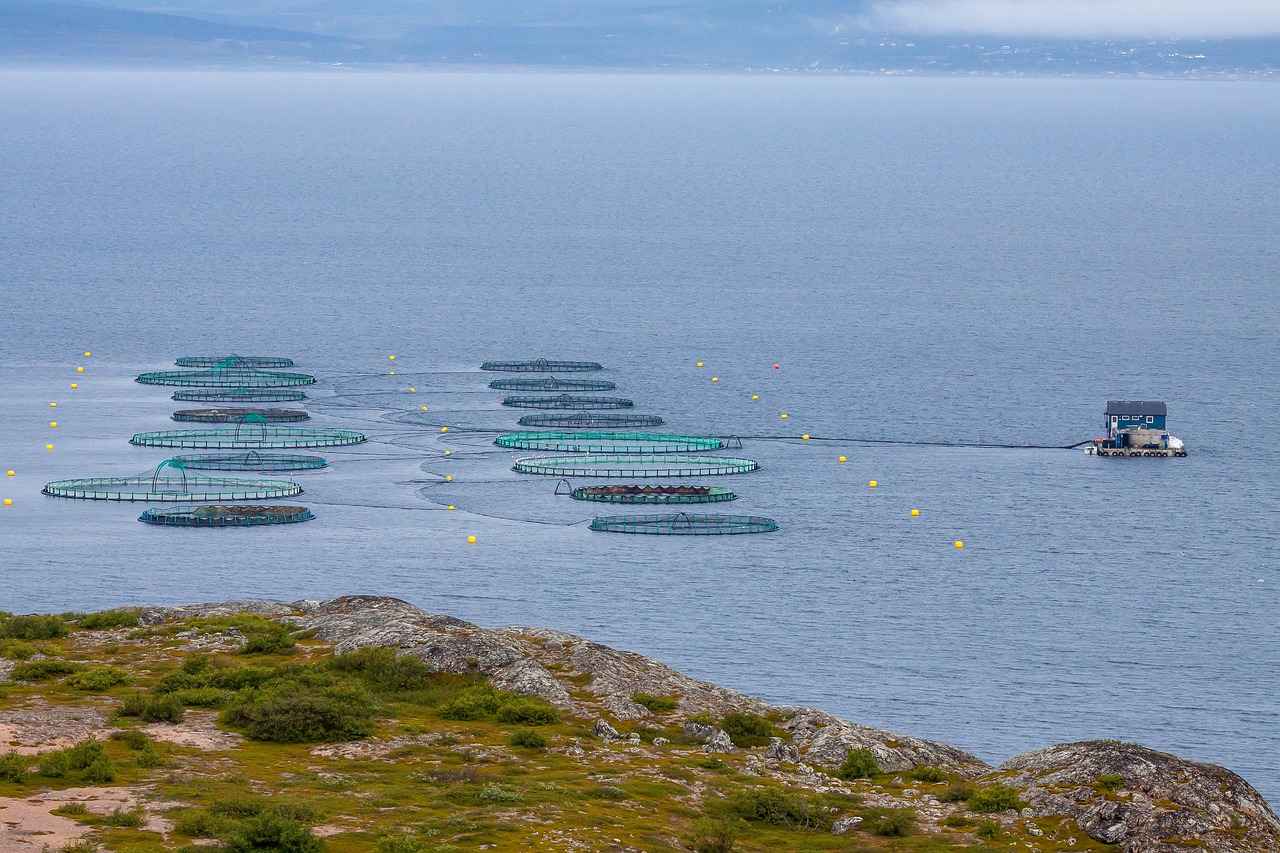

The Role of Aquaculture in Sustainable Fisheries and Environmental Fitness
Aquaculture, often deemed as a solution to dwindling wild fish populations, plays a pivotal role in enhancing sustainable fisheries. This method of farming aquatic organisms, such as fish, shellfish, and aquatic plants, is capable of reducing the strain on natural resources while supplying the global demand for seafood. By implementing controlled environments, aquaculture minimizes overfishing and promotes healthier ecosystems. Sustainable practices within aquaculture include optimizing feed efficiency, minimizing waste production, and ensuring biosecurity. Notably, recent advancements have fostered innovations that align aquaculture operations with ecological considerations, enhancing marine biodiversity. These practices include integrated multi-trophic aquaculture (IMTA), which utilizes species that can recycle nutrients, maximizing biomass yield while lessening the environmental footprint. Furthermore, responsible aquaculture can result in lower carbon emissions compared to traditional fishing methods, contributing to global efforts in combating climate change. Transitioning to sustainable aquaculture practices fosters resilience in fish populations and supports local economies, providing employment and dietary options. As a crucial component of addressing environmental fitness concerns, aquaculture showcases the potential for harmonizing human needs with environmental health.
Marine habitats are essential for maintaining ecological balance and supporting fisheries. They provide shelter, food, and breeding grounds crucial for aquatic life. However, human activities, like pollution and habitat destruction, pose significant threats to these ecosystems. An integral aspect of sustainable fisheries management is understanding these impacts. Marine spatial planning focuses on identifying and protecting critical habitats to ensure the future of fish stocks. This planning incorporates various factors, such as biodiversity, socio-economic interests, and conservation goals. Furthermore, the establishment of marine protected areas (MPAs) has emerged as a vital strategy to safeguard vulnerable ecosystems. MPAs restrict certain activities, allowing marine life to recover and flourish without interference. Additionally, community engagement is essential; local populations often possess valuable knowledge about their environment. Participatory governance models that include fishermen, indigenous groups, and conservationists foster shared responsibility in managing resources sustainably and effectively. Strengthening collaboration among stakeholders enhances the resilience of marine ecosystems. Educational programs within communities can improve awareness about marine sustainability, ultimately leading to healthier oceans. These proactive measures demonstrate that sustainable fisheries management relies not only on science but also on human collaboration for lasting effects.
Innovation and Technology in Aquaculture
Innovation and technology have become significant driving forces behind the success of aquaculture in sustainable fisheries. With the integration of advanced monitoring systems, farmers can observe and analyze water quality, feeding behavior, and overall health of the aquatic organisms. These data-driven insights enable farmers to make informed decisions, thus improving yields while minimizing environmental impact. Technologies such as recirculating aquaculture systems (RAS) allow for the efficient use of water, reducing waste and nutrient output. Such systems recycle water and filter pollutants, creating a sustainable production method. Moreover, the emergence of aquaponics—integrating aquaculture with hydroponics—establishes a closed-loop system that fosters both fish and plant growth, promoting food security. Genetic advancements, including selective breeding programs, aim to develop strains of fish that grow faster and are more resilient to diseases. This comprehensive approach addresses food requirements while reinforcing sustainability. Collaboration with universities and research institutions is crucial to drive these innovations further. The ongoing development of eco-conscious and technologically advanced practices in aquaculture ensures the enduring success of fisheries, preserving marine ecosystems while meeting the rising global demand for seafood.
Incorporating sustainability into aquaculture production involves adhering to established best practices and certifications. Programs such as the Marine Stewardship Council (MSC) and the Aquaculture Stewardship Council (ASC) set standards aimed at promoting responsible seafood production. These certifications provide consumers with transparency regarding the sustainability of the products they purchase. By choosing certified seafood, consumers play a crucial role in demanding environments conducive to responsible fishing methods. Sustainable practices encompass various aspects of production management, including efficient feed utilization, waste management, and disease prevention measures. Educating farmers on these practices ensures that they apply the appropriate methodologies. Training programs equip aquaculture professionals with updated knowledge and skills necessary for adopting sustainable practices efficiently. Additionally, governments and NGOs play a vital role in creating policies that incentivize sustainable aquaculture development. Financial assistance and grants for farmers adopting eco-friendly technologies contribute to broad-scale implementation of these practices. There is a growing recognition of the importance of sustainability in aquaculture, reflecting consumer consciousness regarding environmental issues. This shift is driving demand for responsibly sourced seafood and encouraging industry players to adopt practices that align with sustainability goals.
Challenges Facing Sustainable Aquaculture
Despite its potential, aquaculture face numerous challenges regarding sustainable development. One significant concern is the reliance on fishmeal and fish oil sourced from wild fisheries, which can contribute to overfishing. To alleviate this, research into alternative feed sources is crucial. Utilizing plant-based proteins or by-products from agriculture may effectively reduce pressure on marine resources. Additionally, the emergence of diseases and parasites, exacerbated by high-density farming, poses risks to aquatic species. Implementing biosecurity measures and proper farm management practices can mitigate these threats. Moreover, environmental concerns stemming from run-off can affect surrounding ecosystems. Addressing this issue involves developing efficient waste management systems capable of treating and recycling water used in production. Climate change also presents a formidable obstacle—alterations in water temperature and salinity may affect fish growth and reproduction. Improving resilience in aquaculture practices through adaptive strategies is essential to counter these impacts. Furthermore, fluctuating market conditions and consumer demand challenge aquaculture sustainability. To navigate these complexities, fostering collaboration among stakeholders is essential, from scientists and policymakers to farmers and consumers, creating a shared vision for the future of sustainable aquaculture.
To achieve long-term sustainability in fisheries, it is critical to embrace a holistic approach, integrating aquaculture with broader ecological and social frameworks. Strengthening ecosystem services offers an opportunity to create a balanced environment benefiting various species. For instance, coastal habitats like mangroves and wetlands can enhance fish populations by providing essential nurseries. Collaborative efforts that encompass local communities enable stakeholders to work together, ensuring conservation efforts align with socio-economic needs. Increasingly, aquaculture and fisheries management are being viewed as complementary systems rather than separate entities. This mindset fosters resilience among fish populations, allowing them to adapt to changing environments. Additionally, promoting sustainable consumption habits among consumers contributes to demand for responsibly sourced products. Education campaigns aimed at raising awareness about sustainable seafood choices can empower consumers to make informed purchasing decisions. Through these collective actions, the harmonization of aquaculture and fisheries management processes can lead to healthier ecosystems and communities. Engaging younger generations in initiatives related to conservation and resource management is also essential for ensuring the sustainability of marine resources for years to come. Ultimately, an integrated approach marks a promising step towards achieving sustainable fisheries.
Conclusion: Towards a Sustainable Future
The journey toward sustainable fisheries heavily relies on the innovative practices within aquaculture, addressing environmental fitness concerns effectively. By implementing sustainable methods, aquaculture can not only satisfy global seafood demands but also ensure the preservation of vital ecosystems. Collaboration among various stakeholders is crucial to successfully navigate the challenges faced in aquaculture and develop robust solutions that benefit both people and the planet. Encouraging responsible consumption patterns will foster a market that values sustainability, reducing pressure on overexploited fish stocks. Certification programs empower consumers to make responsible choices, creating a ripple effect that supports sustainable practices within the industry. As technological advancements continue to shape aquaculture, it is essential to prioritize environmental stewardship and ecological balance. Focusing on education and awareness, as well as community engagement, will help foster a culture of sustainability in fisheries and aquaculture alike. The convergence of these efforts is pivotal in achieving the global objectives set forth by the United Nations for sustainable development. The future of our oceans and fisheries largely depends on our commitment to integrating aquaculture into a comprehensive approach that safeguards both human health and environmental integrity.
Transitioning to responsible aquaculture practices not only presents economic opportunities but also promotes environmental sustainability, thereby leaving a positive legacy for future generations. This requires robust policies, inclusive governance, and ongoing innovation. Policymakers must actively engage with scientists, industry representatives, and consumers to create frameworks that prioritize sustainable practices. The enhancement of cooperation and communication among different sectors, encompassing agriculture, fisheries, and environmental conservation, is fundamental. Furthermore, governments should incentivize aquaculture operations that adhere to sustainable practices through subsidies and promotions. Together, these strategies can cultivate an ecosystem wherein sustainable fisheries thrive within a rapidly changing global landscape. Ultimately, the integration of aquaculture within sustainable fisheries represents not just a response to immediate challenges but a lasting commitment to ecological integrity and social equity. Through concerted efforts, we can ensure healthy aquatic resources for present and future generations, underpinning the delicate balance that sustains life in our oceans. The role of aquaculture in achieving this vision cannot be overstated; it presents an opportunity to cultivate prosperity while honoring our responsibility towards the environment.