
The Emergence of Wearable Tech as a Fitness Aid for Bipolar Disorder
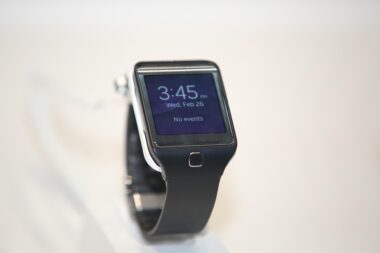
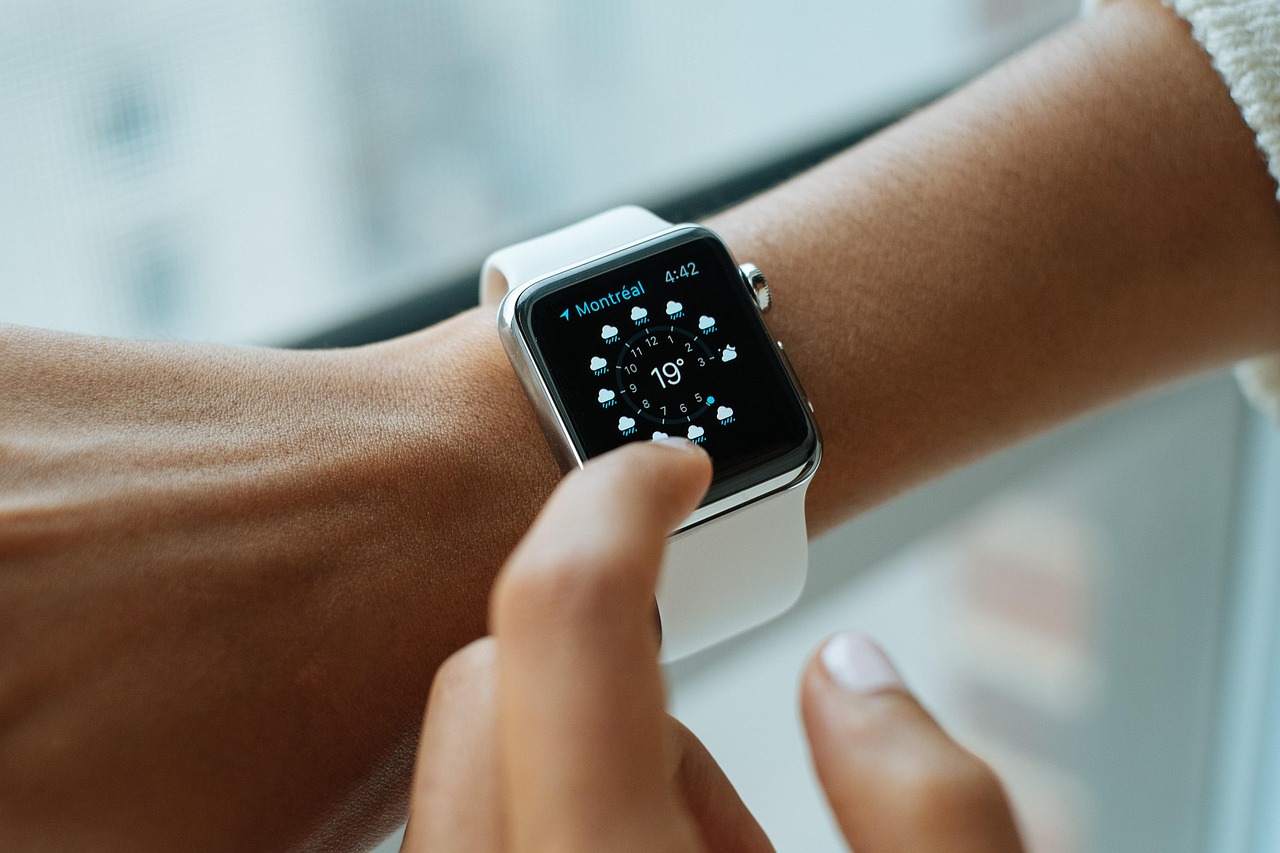
Wearable technology has emerged as a crucial component in the fitness industry, significantly impacting those with mental health disorders, particularly bipolar disorder. These devices offer innovative features that can help users monitor their physical activity, sleep patterns, and overall mental wellness. The integration of fitness wearables within treatment plans enables individuals to take proactive steps toward managing their conditions. For those with bipolar disorder, maintaining regular exercise routines can help stabilize moods and reduce the frequency of manic or depressive episodes. The real-time feedback provided by these wearable devices can motivate users to establish healthy habits that significantly improve their mental well-being. Coupled with mobile applications, wearables can track various metrics, including heart rate and calorie consumption, enabling users to set personal fitness goals. Additionally, features such as alerts for inactivity can encourage users to move, which is essential for mental health. Overall, the development of advanced wearable technology demonstrates a commitment to enhancing mental health care through innovative solutions that promote physical fitness and emotional resilience, effectively bridging the gap between technology and mental wellness.
Benefits of Wearable Technology
Wearable technology presents numerous benefits tailored to the needs of those suffering from bipolar disorder, primarily by encouraging regular physical activity. Regular exercise is a well-documented method of improving mental health outcomes in various studies. By leveraging wearables, individuals can set and track fitness goals tailored to their capabilities and needs. The ability to monitor physical activity in real-time motivates users to adhere to their fitness regimens. Moreover, wearables often provide feedback on heart rate, sleep quality, and stress levels, promoting a holistic approach to health. Features like GPS tracking help users explore new environments, further enriching their exercise routines. Customizable reminders for medication and mindfulness practices enhance daily management, acting as digital companions in the recovery journey. Additionally, wearable technology often integrates with mobile applications, offering users tools to assess their mood patterns and gain insights that can inform therapy sessions. Access to this critical data empowers individuals, providing them with the autonomy they need to take charge of their mental health. Consequently, these devices serve as vital resources that contribute significantly to improving the lives of those with bipolar disorder, both physically and mentally.
The significance of data and analytics in wearable technology cannot be overstated, especially for people with bipolar disorder who depend on real-time insights into their mental health. Wearables collect various data types, including physical activity levels, sleep patterns, and even biometric indicators like heart rate variability. Analysis of this data enhances the users’ awareness of their mental state, helping to identify triggers for mood swings. Users can track how their physical activities correlate with their mental health, which can lead to more informed conversations with healthcare providers. Additionally, some wearables are equipped with features for emotional regulation, offering guided breathing exercises or meditation prompts that can reduce anxiety and stress. By creating a detailed archive of health data over time, wearables can help individuals and professionals assess the effectiveness of treatment strategies. This knowledge fosters a better understanding of personal well-being, ultimately aiding in the management of bipolar disorder. Consequently, the strategic use of wearable technology equips individuals with valuable insights, paving the way for more tailored mental health interventions and improved quality of life.
The Role of Community and Social Features
Community support plays a crucial role in mental health management, and wearable technology is integrating social features to enhance user experiences further. Many wearables offer platforms that connect users with others who share similar struggles, fostering a supportive community. These connections can significantly reduce feelings of isolation, allowing users to share their fitness journeys while receiving encouragement and inspiration from peers. In particular, users battling bipolar disorder can find solace in knowing they are not alone on their journey. Social aspects can facilitate participation in virtual fitness challenges, promoting camaraderie while achieving shared goals. Furthermore, some devices feature interactive elements, where users can motivate each other through challenges and compare their progress. This sense of camaraderie reinforces commitment to fitness routines, making exercise an enjoyable and collaborative endeavor. Additionally, sharing achievements through social media integration helps individuals celebrate their progress, further enhancing their motivation. By intertwining technology with community engagement, wearable devices can enhance mental wellness through social support networks, essential for anyone grappling with bipolar disorder. Ultimately, these social features foster connectedness, amplifying the overall effectiveness of fitness initiatives in mental health management.
Despite the numerous benefits offered by wearable technology, some challenges accompany integrating these devices into the fitness and mental health regimes of those with bipolar disorder. Adoption barriers remain prevalent, particularly among older adults who may feel overwhelmed by new technologies. Education and training programs may be necessary to ensure users fully understand their devices and maximize their potential. Furthermore, there’s a risk of dependence on these technologies, which may lead to anxiety or frustration if the devices malfunction or fail to record data accurately. Individuals might experience heightened stress tied to tracking metrics, negatively impacting mental health. To mitigate these risks, it’s crucial that wearables are designed intuitively and user-friendly. Furthermore, personalization is critical, allowing users to set data thresholds collaboratively with healthcare professionals. This ensures that the experience remains beneficial and not overwhelming. Addressing these challenges is essential to optimize effectiveness, ensuring wearable technology positively influences the lives of those living with bipolar disorder. By prioritizing accessibility and ease of use, wearable devices will have a greater impact on mental health management.
Future Trends and Innovations
As technology evolves, the future of wearable devices in fitness and mental health promises exciting innovations. Companies are consistently investing in research and development, focusing on new features that address the unique needs of mental health patients. Emerging technologies, such as AI-driven analytics, will enhance the personalization of fitness regimens, allowing for adaptive technologies that respond effectively to users’ mental states. Additionally, the use of machine learning algorithms will enable wearables to predict mood swings based on physical activity and biometric data, allowing for timely interventions when necessary. Integrating telehealth capabilities will further enhance support systems by facilitating instant access to mental health professionals. Innovations such as mood stabilizer reminders, guided therapy sessions, and virtual counseling features could revolutionize how individuals manage bipolar disorder. Moreover, advancements in biometric sensors will likely lead to improved heart rate and stress-response monitoring, enabling tailored exercise plans that align with mood cycles. As the intersection of technology and mental health continues to evolve, wearables will increasingly play an integral role in providing individuals with the tools and resources necessary for successful mental health management.
In conclusion, the prominence of wearable technology as fitness aids for individuals with bipolar disorder marks a transformative shift in mental health management. These devices empower users through data-driven insights, community support, and personalized fitness regimens, ultimately enhancing overall well-being. By integrating technology into everyday health and wellness routines, individuals gain the tools needed to take charge of their mental health effectively. The multitude of benefits facilitated by wearables underscores their potential as essential components in a comprehensive mental health strategy. However, it is imperative to acknowledge the challenges and ensure accessibility for all users, fostering an inclusive environment. Ongoing research and innovations will further enhance the capabilities of these devices, paving the way for even more effective mental health interventions. Wearable technology holds the key to unlocking a new era of proactive mental wellness through fitness. This evolving landscape presents an opportunity for individuals with bipolar disorder to reclaim their health and well-being effectively. As technology continues to adapt and improve, it has the potential to change lives significantly, fostering a future where mental health is prioritized and nurtured.