
Swimming Warm-up Tips for Triathletes
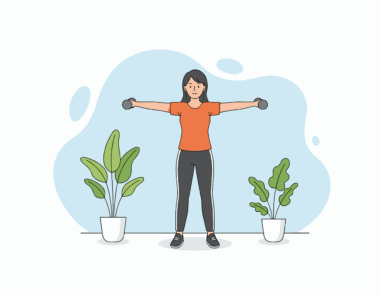
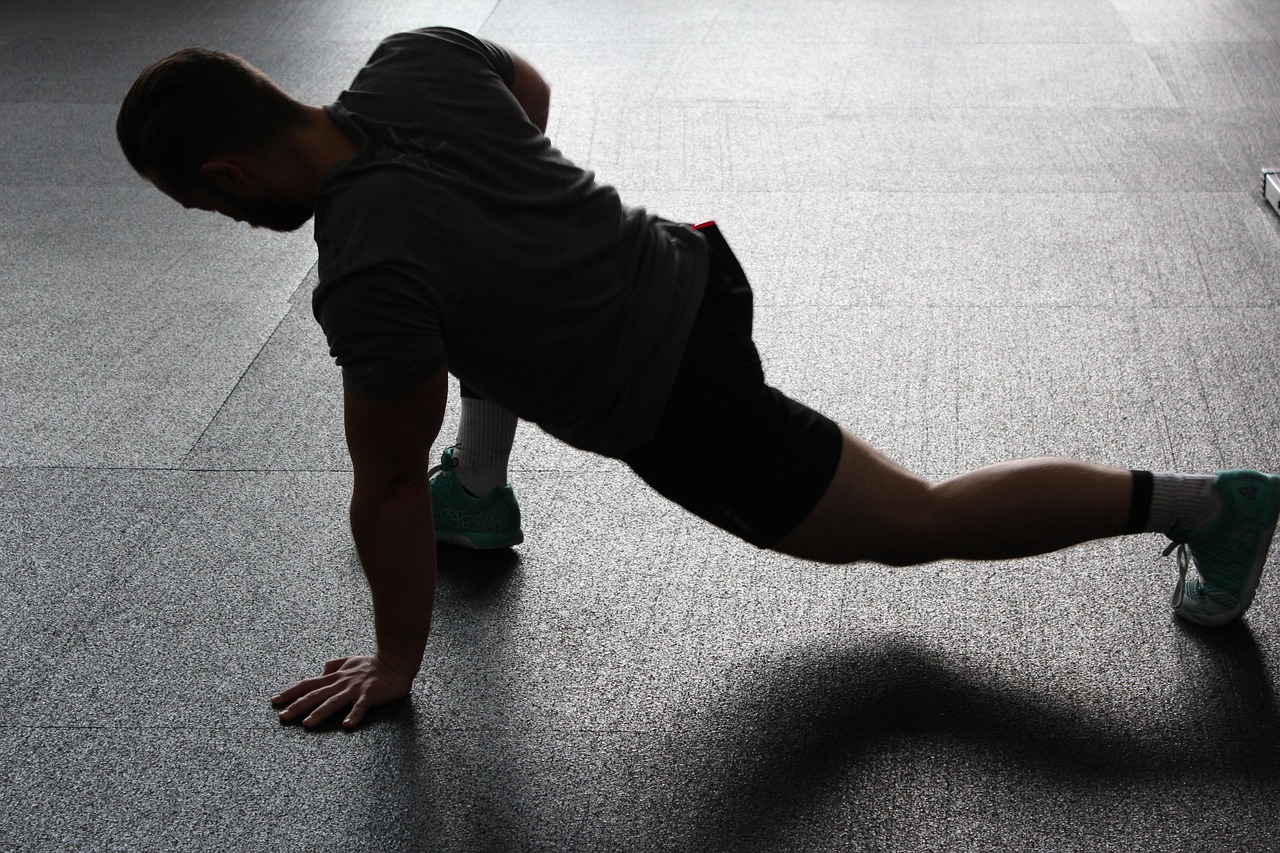
Warm-ups are essential for ensuring optimal performance in swimming and preparing your body for intense effort. A suitable warm-up routine not only increases your body temperature but also improves blood circulation to your muscles. This procedure plays a critical role in enhancing your flexibility and minimizing the risk of injuries. Engaging in a warm-up allows your muscles to adapt to the upcoming physical stress, ensuring you can swim your best. Begin with dynamic stretches like arm circles, leg swings, and torso twists to activate your muscles gradually. After a solid stretching routine, transition into swimming drills to enhance muscle activation. Incorporate shorter, faster-paced sets combined with rest intervals to simulate race conditions you may experience. This practice enhances both your skill and endurance, positioning you for a successful swim. Practice postures such as streamline glides and breathing exercises to optimize your technique. Aim for at least 10-15 minutes in this segment to prepare yourself adequately. Remember that proper warm-ups are not just about physical preparation but also about mentally gearing up for competition.
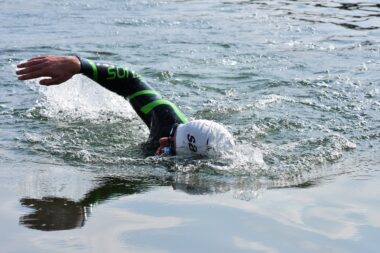
As you move into your warm-up swim, gradually increase the intensity while focusing on form. A common mistake involves starting too hard, which can lead to early fatigue. Instead, aim to swim at an easy pace initially for about 5 to 10 minutes before ramping up. The slower start allows your muscles to adjust and optimize your stroke technique. During this phase, concentrate on your breathing patterns to align with your strokes; this synchronization aids endurance. Additionally, utilize various strokes like freestyle, backstroke, or breaststroke to engage different muscle groups while diversifying your workout. This variation helps in preventing overuse injuries by ensuring balanced muscle development. Another beneficial practice includes practicing turns, starts, and finishes to refine your competitive edge. Incorporating drills like 25-meter sprints with rest intervals can simulate race conditions while enhancing your speed. Also, consider joining a swimming group or a coach to gain professional feedback on your warm-up effectiveness. Assess whether your routine enhances your performance with each use and adapt accordingly for personal improvement.
The Importance of Cool-down in Swimming
Post-swim cool-downs are as vital as warm-ups when it comes to competitive swimming, particularly for triathletes. A proper cool-down procedure assists your body in transitioning from high exertion to a resting state effectively. The primary goal is to gradually reduce your heart rate and allow your body to recuperate naturally. Skipping cool-downs can lead to muscle stiffness and soreness, which may impact your performance in subsequent training sessions or competitions. Allocate 5-10 minutes post-swim for easy, relaxed laps, allowing your body to flush out lactic acid and other metabolic waste products. Focus on gentle strokes that encourage blood circulation without exerting excessive effort to stretch muscle fibers. Additionally, static stretching post-swim is crucial for maintaining flexibility. Hold stretches for 15-30 seconds each and prioritize key muscle groups such as shoulders, hips, and legs. Integrating yoga poses might also benefit your flexibility regimen. Tibial stretches, chest openers, or even simple forward bends can either relax your body further, enhance recovery, and balance your overall flexibility.
Cool-down routines should be personal and cater to individual needs and performances. For some athletes, incorporating breathing exercises might improve relaxation and accelerate recovery thereafter. A systematic approach to cooling down can also mentally prepare you for your next workout or event. Some triathletes find that keeping a consistent cool-down routine across all training sessions aids muscle memory. It’s essential to note how your body feels during cool-down processes and adjust as needed based on muscle tightness or discomfort. Consider incorporating foam rolling to assist in easing muscle tension systematically if time permits. The golden rule remains to listen to your body and provide adequate recovery after intense workouts; failure to do so can result in injury over time. Finally, hydrate during your cool-down, as maintaining hydration levels supports muscle function and recovery. The key is consistency; the more routinely you cool down effectively, the more you’ll notice overall improvements in your performance and well-being as a triathlete who competes.
Integrating Warm-up and Cool-down Into Training
Integrating structured warm-up and cool-down routines into a swimming training program could significantly improve overall performance. It’s essential to develop a habit around these routines within your training schedule. Make warm-ups and cool-downs non-negotiable parts of your workouts. One strategy for accountability is to enlist fellow triathletes who can join you in both segments, reinforcing their importance. Visualizing your routine can serve as a motivational tool to remember the significance of these practices. Consider also keeping a training log where you track your warm-up and cool-down processes, assessing their impact on your performance over time. This reflective practice enables you to fine-tune your routines effectively. Utilizing technology like wearable fitness trackers could help remind you when you should begin your warm-up to ensure you’re following through. Tend towards variety; varying warm-up exercises will keep your routine exciting. As a general rule, effective progression should remain linear; ensure that increases in volume or intensity occur at an even pace to avoid injury.
Establish a clear understanding of your personal goals and strive to align your warm-up and cool-down routines to support those ends. Differentiating between training days is also beneficial; for example, more extensive warm-ups might be necessary before significant intensity training, while lighter days could allow for quicker routines. Close attention to your body’s feedback can usher you toward adequate adaptation without excessive fatigue. Integrating these practices into your culture as a triathlete fosters a safer environment for improvement. Educating fellow competitors about the importance of warm-ups and cool-downs can also build a more supportive community, promoting mutual advancement. This camaraderie extends beyond the pool to other facets of the sport as well. Never underestimate the critical role that preparation plays in achieving your competitive goals. Cycling and running will also require similar approaches to warm-up and cool-down phases, aligning your training for success across all disciplines in triathlons. Utilize warm-ups and cool-downs as essential tools in your training arsenal for reaching your personal best.
Conclusion: Mastering Warm-up and Cool-down
Ultimately, mastering the art of warm-ups and cool-downs could drastically affect your swimming performance as a triathlete. These practices contribute significantly to your overall physical and mental preparation, ensuring that you’re ready to tackle your training and competition head-on. Every swimmer’s routine will evolve over time as they become aware of their body’s demands. Be prepared to experiment and find what combinations work best for you, and don’t hesitate to adjust as you learn. After all, your needs can shift with changes in training intensity, periods of fatigue, or additional recovery measures. Furthermore, your warm-up and cool-down routines should also assist in achieving your goals, from fine-tuning speed to improving endurance or enhancing recovery. Include your workouts in your considerations as well; as you approach race day, adjust your warm-up strategies accordingly to ensure optimal performance. Once you’ve established a solid routine, the physical and mental benefits will emerge in your overall swim capability. Make these routines an enriching part of your journey through swimming, and watch your performance flourish.
Triathletes often overlook the importance of effective warm-ups and cool-downs; however, adopting a mindful approach can significantly enhance overall performance. The benefits go beyond immediate effects, as these routines contribute to long-term development, competitive edge, and personal growth. Skipping these essential practices can lead to injury and decreased performance, hindering training goals and athlete potential. Consider seeking guidance from professional swim coaches to refine your routine further or discover new techniques. Emphasize various warm-up and cool-down styles, proceeding with both variety and consistency. To sum it up, prioritizing a structured approach will not only prepare you for individual swim events but will also improve overall fitness in preparation for the diverse challenges of triathlons. Triumph arises from your investing in warm-ups and cool-downs, as they serve as the building blocks for your lifelong commitment to excellence in this rewarding sport. With dedication to these practices, you’ll establish sound foundations for all your future triathlete endeavors, leading to a fulfilling swimming career and competitive success.