
Static Core Exercises Explained: Isometric Holds for Stability
Core strengthening plays a pivotal role in the fitness journey of individuals, serving as the foundation of effective movement mechanics and functional stability. Static core exercises, specifically isometric holds, are increasingly recognized for their unique contributions to core strength. Unlike dynamic exercises that emphasize movement, static core exercises enable individuals to develop stabilization by maintaining positions over time. Due to their relatively low impact, they are suitable for various fitness levels. Engaging deeply in these holds emphasizes muscle endurance and strength, promoting better postural alignment and balance. By incorporating techniques such as the plank and wall sits, practitioners can hone their ability to engage core muscles effectively. Many individuals find these exercises both challenging and rewarding, as they witness gradual improvements in their endurance. Ideally, isometric holds should be combined with dynamic exercises for a balanced core experience. Furthermore, they can be integrated into rehabilitation programs, aiding in recovery from injuries. Understanding the significance of these exercises sets the groundwork for mastering core workouts, contributing to enhanced athletic performance and daily motion.
Benefits of Isometric Core Exercises
One of the primary benefits of isometric core exercises lies in their ability to enhance stability, which subsequently affects overall physical performance. These exercises necessitate a significant degree of muscular engagement, promoting muscle endurance and strength without the need for extensive movements. By holding a position, muscles are activated deeply, leading to improved stabilization of the spine and pelvis. Additionally, these exercises are crucial for developing mind-muscle connection, allowing for better control over the body. This control is especially important for athletes across various disciplines, as it facilitates optimal performance. Furthermore, isometric holds can assist in injury prevention by strengthening muscles, thereby providing additional support to joints. Incorporating isometric core exercises into a fitness regimen can also lead to better posture and alignment, reducing the risk of musculoskeletal issues. Specifically, athletes can cultivate a stronger core, which is essential for executing dynamic movements effectively. Also, isometric exercises are easily adaptable to suit individual fitness levels, enabling personalized workouts. As practitioners focus on mastering these holds, they gain insights into their body’s mechanics, fostering a deeper understanding and appreciation for core strength.
Essential Isometric Core Exercises
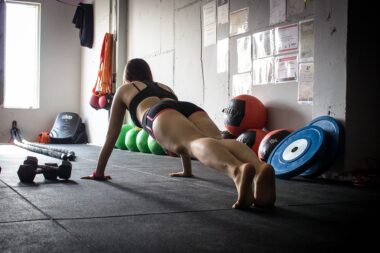
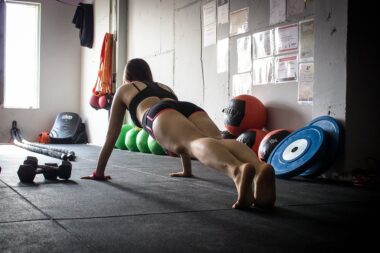
When it comes to essential isometric core exercises, several movements stand out for their effectiveness and versatility. The plank is arguably the most recognized isometric core exercise, emphasizing core stability by maintaining a neutral spine. For added difficulty, variations like the side plank can be incorporated, targeting oblique muscles and enhancing lateral stability. Another excellent exercise is the hollow body hold, which requires engaging the core while maintaining a specific position without support from other muscles. This particular exercise emphasizes core strength and control. Additionally, wall sits focus on thigh strength but contribute effectively to core engagement as well. It’s important to remember that proper form is crucial regardless of the exercise, ensuring optimal engagement and efficacy. Furthermore, the bridge hold supports not only core stability but also glute activation, demonstrating the interconnected nature of muscular strength. Each of these exercises can be modified in terms of duration and intensity to meet an individual’s fitness level. Regular practice of these isometric holds creates a solid foundation for more advanced movements and dynamic exercises, highlighting the importance of integration in a comprehensive training routine.
Incorporating Static Exercises into Workouts
Incorporating static core exercises into a workout regime can significantly benefit training outcomes. To begin, these exercises can be seamlessly integrated into warm-up sessions, allowing individuals to engage their core muscles and prepare for movement. Such inclusion helps establish a solid foundation, preventing injuries during more intense workouts. Alternately, static holds can serve as a perfect concluding phase, effectively engaging tired muscles while enhancing endurance. Using timers can be an effective tool to gauge progress and establish personal challenges. For optimal results, practitioners should include a range of exercises that target different areas of the core, such as front, sides, and lower back. This variety ensures a well-rounded approach, preventing muscular imbalances and promoting comprehensive strength development. Moreover, combining these exercises with dynamic movements instills a sense of balance and enhances overall athleticism. In addition, the timing and rest intervals must be considered. Short recovery periods between holds can amplify muscle engagement effectively. When programming static core exercises, remember to focus on the quality of holds rather than quantity to yield maximum benefits for core conditioning.
Progressing Your Isometric Holds
Progressing your isometric holds is an essential aspect of developing core strength and stability. As individuals build endurance, increasing hold times and incorporating various challenges enhance the effectiveness of core workouts. Starting with simpler positions can build confidence and help in mastering control. Once basic holds are established, one can implement progressions, such as shifting to a single-arm or single-leg variation. Advanced positions challenge stability and refine muscle endurance, leading to improved control and strength. Time under tension is crucial; experimenting with the duration of holds can provide unique challenges. Gradually increasing the hold time can stimulate muscle adaptation, resulting in enhanced core stability. Furthermore, adding dynamic movements, such as lifting a leg or arm during a plank, introduces instability which forces deeper core engagement. Continuous evaluation can help assess which progressions yield the best results. It’s imperative to listen to your body and avoid rushing into difficult variations too quickly. Regular incorporation of progressive techniques ensures consistent growth in strength and capability. As your strength develops, the ability to perform daily activities with grace becomes increasingly achievable, showcasing the value of consistent core training.
Common Mistakes in Static Core Exercises
Avoiding common mistakes in static core exercises is essential to ensure effectiveness and prevent injury. One prevalent error is neglecting proper form, which can lead to unnecessary strain on the back or joints. Individuals often allow their hips to sag or rise too high during exercises like the plank, disrupting alignment and core engagement. Moreover, holding one’s breath is a common mistake that can hinder performance by minimizing oxygen intake, ultimately affecting endurance. Proper breathing allows for increased stability and relieves tension throughout the body. Another mistake includes rushing through holds; maintaining a steady and controlled pace fosters better muscle engagement and endurance. Beginners may also overlook the importance of warming up, which can result in reduced effectiveness or injuries. It’s critical to prepare the body for isometric exercises through dynamic stretches. Furthermore, failing to track progress can hinder motivation and prevent understanding of personal development in strength. Regular assessments allow individuals to recognize their improvements over time. By avoiding these typical pitfalls, practitioners enhance their core workouts and establish a solid foundation for long-term fitness success.
Conclusion and Final Thoughts
In conclusion, static core exercises, specifically isometric holds, represent a powerful tool for anyone seeking to improve core strength and stability. These exercises’ unique capacity to engage muscles in a sustained manner creates a comprehensive approach to fitness. The benefits derived from incorporating isometric holds are vast, ranging from enhanced stability to injury prevention. As highlighted, various essential isometric exercises offer a foundation for developing mastery in this area. Progression, when done thoughtfully, can elevate one’s core conditioning as well. Furthermore, being aware of common mistakes improves the likelihood of achieving desired results. To maximize effectiveness, personalized adaptations based on fitness levels are crucial. Ultimately, integrating isometric holds within a complete workout regimen ensures balanced development of muscles. Practitioners should regularly evaluate their performance and adjust practices based on outcomes. As one grows in strength and confidence, improved daily movement is achievable, profoundly impacting overall quality of life. The journey towards a stronger core begins with commitment and consistency, highlighting the dedication required to see meaningful progress in one’s fitness journey. Start today and embrace the benefits of static core exercises.
Remember
Maintain a journal to track progress and celebrate achievements, whether small or significant. Feel free to go back and reassess your goals, adjusting the plan to suit your evolving fitness journey. Ultimately, the ambition for better strength and stability is within reach through dedication, knowledge, and consistent efforts.