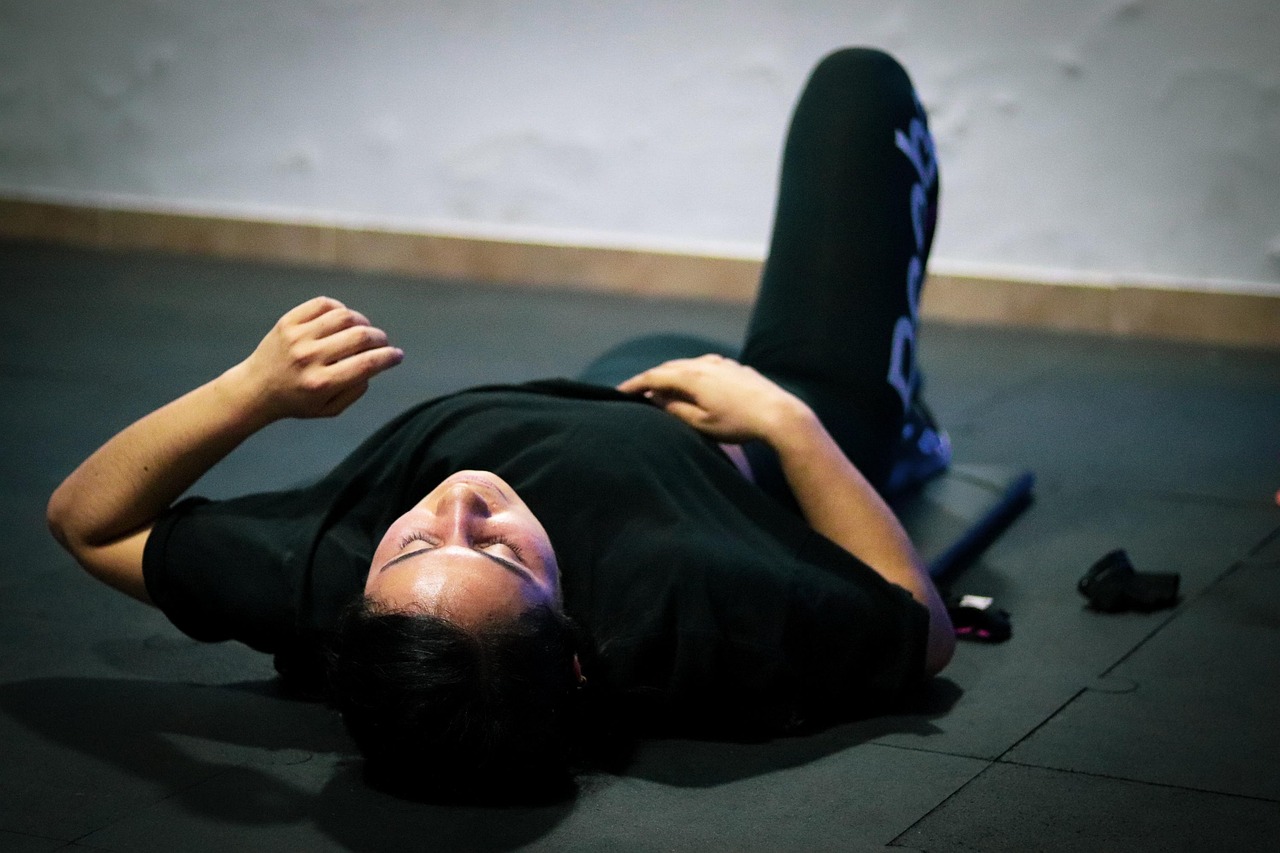

Mixing HIIT and Core Strengthening Workouts
Home workouts have gained immense popularity, especially in recent times. The combination of High-Intensity Interval Training (HIIT) with core strengthening exercises can yield remarkable results. These two workout styles blend perfectly, offering both cardiovascular benefits and muscle toning. When you incorporate HIIT, you engage your heart rate, promoting fat loss alongside muscle development. To optimize this combination at home, consider dedicating time to specific intervals for maximum benefit. For instance, try 20 seconds of intense activity followed by 10 seconds of rest, working through various core exercises such as planks and bicycle crunches. This method keeps your body challenged and engaged, preventing workout monotony. HIIT sessions can be tailored with bodyweight exercises, ensuring that anyone, regardless of space or equipment, can participate. Always remember to warm-up before diving into these high-intensity workouts to prevent injuries. Including agile movements in your HIIT core workouts leverages multiple muscle groups, enhancing both physical endurance and strength. Lastly, consistency is essential; maintain regular sessions to truly benefit from this powerful workout fusion. Cherishing the results of these workouts can motivate you to stay committed to your fitness goals.
The Benefits of Core Workouts
Incorporating core workouts into your routine significantly enhances overall fitness. Core muscles play a crucial role in almost all physical activities, stabilizing your body and improving balance. A strong core can lead to better posture, reduced back pain, and enhanced athletic performance. Core strengthening exercises, such as planks and Russian twists, activate multiple muscle groups simultaneously. Addressing these muscles through HIIT also helps in elevating the heart rate, which leads to calories burned efficiently. It’s essential to challenge the core from different angles to ensure balanced development. Engaging in varied movements targets the obliques, rectus abdominis, and transverse abdominis effectively. Furthermore, the combination of HIIT with core workouts elevates metabolic rates, promoting weight loss even after the workouts are completed. The efficiency of this workout method is particularly advantageous for individuals with time constraints, maximizing benefits in shorter sessions. Emphasizing core workouts not only supports physical appearance but also enhances daily functional movements, making chores or recreational activities easier to perform. Serious adherence to these exercises during your HIIT sessions fosters muscular endurance and results in a noticeable transformation over time, boosting both confidence and health.
To maximize your home workout regimen, consider structuring your HIIT & core sessions effectively. Begin with a short warm-up of about 5 minutes to get your blood flowing. Follow this with a circuit that includes various core exercises. A suggested circuit could include mountain climbers, planks, and flutter kicks. You may schedule these exercises in 30-second intervals with a 15-second rest period in between. Then, repeat the circuit 4-5 times depending on your energy levels and experience. This approach elevates heart rates while simultaneously engaging core muscles, fulfilling both cardio and strength training in one session. Furthermore, varying the intensity of your exercises ensures you remain challenged and engaged. Adding unexplored routines, like dynamic stretching or agility drills, can spice up the workout and prevent staleness. Ensure to cool down effectively post-workout, allowing your muscles to recover and diminish fatigue. Exploring multiple workout formats can inspire you to be innovative and consistent in your memberships. Commit to regular sessions to forge ahead on your fitness journey, capitalizing on the synergistic benefits of HIIT combined with core-focused exercises during your diverse home workouts.
Effective Core Exercises for HIIT
Integrating effective core exercises into HIIT routines can supercharge your results. Such exercises focus primarily on building strength and stability. You may integrate moves like V-ups, bicycles, and side planks to engage your entire core effectively. These exercises not only fortify your midsection but also keep your heart rate elevated, making them ideal for HIIT. Adding these movements to your regular routine enhances core endurance and promotes coordination. Furthermore, ensure to maintain proper form to prevent injuries, especially during higher intensity intervals. Another inventive way to challenge your core during HIIT is by adding varying weights, such as kettlebells or medicine balls, to your standard bodyweight exercises. A solid core is crucial for maintaining balance while performing dynamic movements. Ultimately, efficiency in training results from combining multiple modalities that suit your fitness goals. Always opt for modifications if you encounter difficulties in performing advanced exercises. Being adaptable to different fitness levels encourages injury prevention while still maximizing intensity. Keeping your workouts fresh not only maintains enthusiasm but also leads to continued progress, allowing you to reach your fitness targets with motivation and determination.
For beginners, starting with HIIT and core workouts may seem challenging. Gradually incorporating fundamental movements allows for optimal adaptation. Commence with core exercises that require little to no equipment, such as sit-ups, knee tucks, and basic planks, which help build foundational strength. As your competence increases, slowly integrate advanced exercises to boost your regimen’s intensity. By focusing on high-quality movements, your body learns proper mechanics, which is essential for eventually executing more complex exercises safely. The flexibility of HIIT allows you to adjust training sessions according to your personal capabilities and endurance levels. A beginner-friendly approach could entail 30 seconds of work followed by 30 seconds of rest. As you advance, professional trainers often recommend decreasing rest intervals, increasing intensity, and experimenting with various exercises. Additionally, always listen to your body; fatigue signals may indicate the need for a short break. Incorporating adequate recovery days is vital for repairing and growing your muscles, preparing you for the next workout. Utilize video resources or join online classes for motivation and guidance, ensuring you stay engaged. Developing confidence and resilience in your workouts directly correlates to your progress over time.
Nutrition for Optimal Performance
Nutrition plays a fundamental role in achieving optimal performance during workouts. Consuming a balanced diet ensures your body receives essential nutrients necessary for energy and recovery. Focusing on whole foods rich in carbohydrates, proteins, and healthy fats lays the foundation for effective exercise. Especially when participating in high-intensity workouts, it’s crucial to fuel your body adequately before and after sessions. Pre-workout meals should consist of carbohydrates for energy and proteins for muscle support, while post-workout foods help repair and build muscle tissues. Foods such as bananas, oatmeal, and numbers of nuts are great examples of smart pre-workout choices. Post-workout, consider meals including lean proteins, like chicken or tofu, paired with whole grains and veggies. Staying hydrated is equally important, as water intake enhances overall performance and aids in recovery post-exercise. Furthermore, optimal hydration prevents fatigue and keeps energy levels higher during workouts. Being conscious about nutrient timing can positively influence your overall training experience. Keeping track of adequate food choices can enhance muscle synthesis, granting a clearer path toward fitness goals. Implementing a well-rounded nutritional strategy complements your HIIT and core workout regimen significantly, fostering a holistic approach to your health.
Measurement and tracking are essential components of any effective workout regimen. To see progress and stay motivated, devising a strategy to log workouts, repetitions, and durations is paramount. Maintaining an exercise journal can provide insights into areas of growth and highlight your overall fitness journey. This method enhances accountability, ensuring that you remain committed to your goals. In conjunction, utilizing fitness tracking devices can provide additional real-time data, monitoring your progress efficiently. Furthermore, periodic assessments of physical fitness may motivate you to push past previous limits. Celebrate milestones achieved, whether it’s additional repetitions, improved technique, or longer workout durations. Recognizing these achievements boost morale and motivation in your fitness commitment. Engaging with fitness communities or sharing experiences with others who share your interests positively influences your workout consistency. Peer support can offer encouragement and accountability. For greater success, consider scheduling workouts into your week as you would any important obligation. This structured approach solidifies workout habits, making it easier to stay on track. Ultimately, fostering a disciplined and reflective attitude toward your workouts enhances results and health, leading you towards a fitter lifestyle.
Mindfulness and mental health significantly impact your workout results. Combining HIIT and core exercises necessitates discipline and dedication, which can be improved through mindfulness practices. Taking moments to center focus on breathing during workouts can elevate your experience and connection with the body. Developing a positive mindset can create empowering effects, allowing personal growth through challenges faced during workouts. Incorporating short meditation sessions or gratitude practices into your weekly routine can enhance mental resilience. Setting realistic and tangible goals can help maintain motivation throughout your fitness journey. A practical approach could involve breaking larger objectives into smaller, manageable milestones. This perspective fosters a sense of achievement, encouraging persistence. Furthermore, establishing a positive self-image can greatly enhance your training experience. Celebrate individuality and understand that everyone’s fitness journey varies. Focus on personal progress rather than comparing yourself to others, which could lead to demotivation. Emphasizing self-compassion towards successes and setbacks creates a balanced mentality for long-term progress. Lastly, always remember that fitness is not merely physical; integrating mental well-being into your regimen can have profound effects on overall health, promoting overall satisfaction and fulfillment.