
Mind-Body Exercises: Tai Chi and Immune Improvement in the Elderly
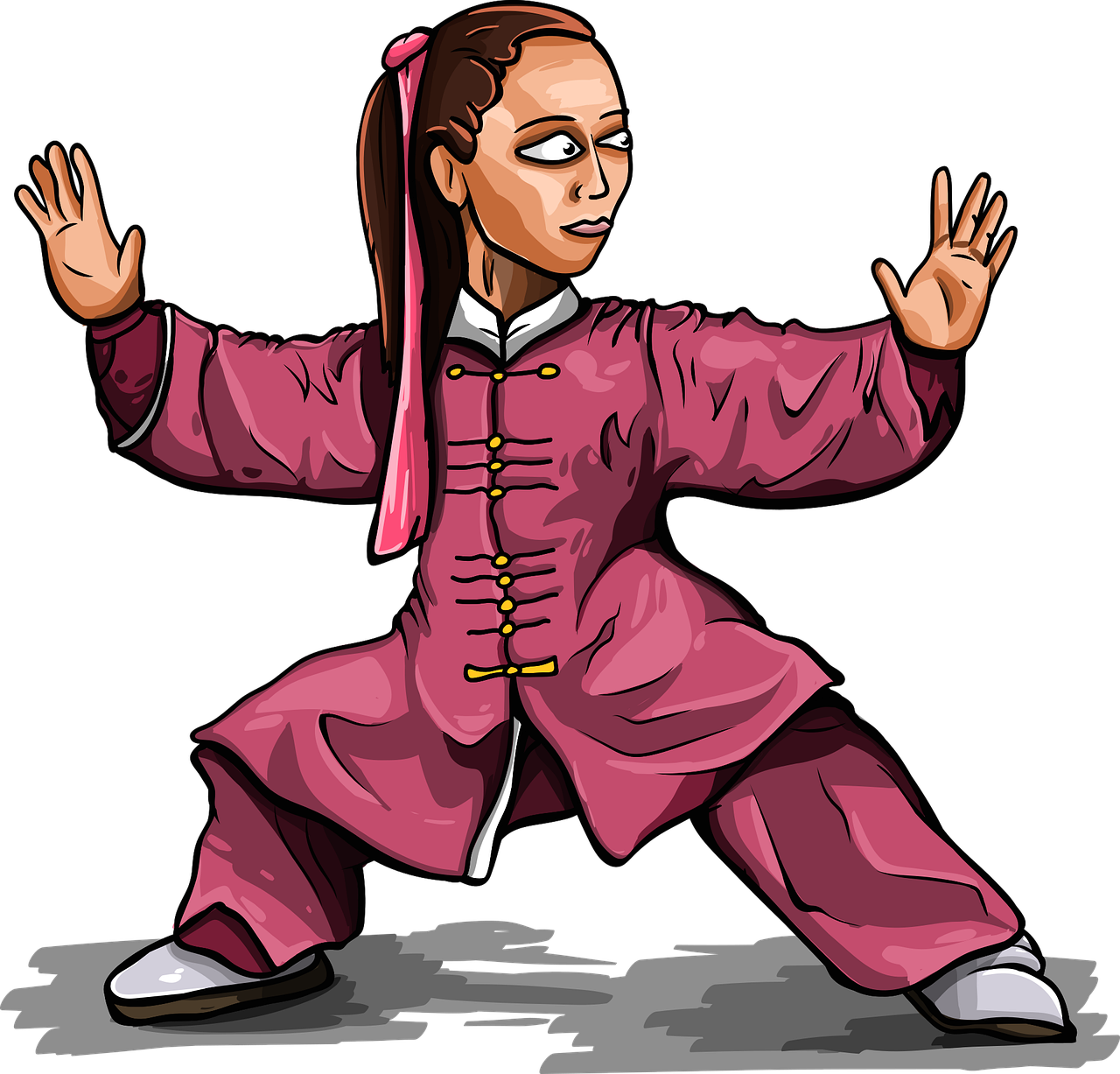
As individuals age, their immune systems typically weaken, making them more susceptible to diseases. Regular physical activity plays a crucial role in improving immune function. One particularly beneficial form of exercise is Tai Chi, a mind-body practice that integrates gentle physical movement with mental focus. This ancient martial art is characterized by slow, graceful movements that promote relaxation, balance, and flexibility. Research indicates that practicing Tai Chi can lead to significant improvements in various health outcomes for older adults. These improvements can include enhanced cardiovascular health, better mental well-being, and stronger immune responses. Additionally, Tai Chi can reduce stress levels, which is crucial, as chronic stress can adversely affect immune function. Older adults who engage in these exercises often report improved overall quality of life. In essence, incorporating Tai Chi into a regular exercise routine could serve as a practical strategy for enhancing the immune systems of elderly individuals. The continual practice of Tai Chi not only supports physical health but also mental health, which together contribute to overall longevity and vitality. Therefore, it is a valuable exercise for the aging population.
Moreover, the principles of Tai Chi can also help manage chronic conditions that often accompany aging. Many older adults struggle with ailments such as arthritis, osteoporosis, and heart disease. Tai Chi promotes gentle movements that can be adapted to meet the individual’s comfort and capability. This adaptability makes it an ideal exercise option for older adults who may find high-impact activities daunting. By minimizing the risk of injury while still providing a workout, Tai Chi aids in maintaining mobility and independence. Additionally, studies have shown that participants in Tai Chi sessions experience improvements in balance and coordination. This is particularly important as falls are one of the leading causes of injury among older adults. Engaging regularly in Tai Chi can also foster a sense of community and social interaction among participants. The social aspect of group classes can enhance motivation and enjoyment of exercise while combating feelings of loneliness often experienced in senior populations. Therefore, Tai Chi can be viewed as both a physical exercise and a social activity. This dual benefit can further improve emotional health and resilience during the aging process.
The Immune System and Aging
The aging process inherently affects the human immune system, leading to increased vulnerability to infections and diseases. As people age, their immune response becomes less efficient due to various factors, including chronic inflammation and the resultant decline in immune cells. These changes can hinder the body’s ability to respond effectively to pathogens, thus increasing the incidence of illnesses in elderly populations. It’s essential to understand how lifestyle factors like exercise can play a crucial role in reversing these trends. Scientific studies have shown that regular physical activity, including Tai Chi, can help modulate immune function and may even reduce inflammation. By promoting blood circulation and enhancing lymphatic drainage, Tai Chi can assist in the removal of toxins from the body. Moreover, the practice is also known to stimulate the production of immune cells like T-cells, which are vital for fighting infections. Engaging in mindful movement and having a routine in place can offer substantial benefits in maintaining a robust immune response amidst the challenges posed by aging.
Practicing Tai Chi does not only strengthen the immune system; it also promotes mental clarity and emotional balance. Mental health is a critical component of overall health, especially for the elderly, who may experience feelings of isolation and anxiety. Tai Chi incorporates mindfulness principles that can help reduce stress levels and improve mental health. By focusing on their movements and breathing, practitioners can enter a state of relaxation that helps to alleviate anxiety and promote a sense of peace. Furthermore, engaging in such a practice regularly contributes to better sleep patterns. Quality sleep is fundamental for a proper immune response since the body regenerates during rest. Better sleep can lead to enhanced cognitive function and a more focused mind. The benefits of Tai Chi, therefore, extend beyond physical fitness and help create a holistic approach to health as individuals age. Harmonizing physical and mental well-being through Tai Chi ultimately contributes to greater life satisfaction. Embracing this ancient practice equips older adults with tools to manage the complexities of aging more effectively.
Integrating Tai Chi into Daily Life
To realize the benefits of Tai Chi, it is essential to integrate this practice into daily routines. Many senior centers offer Tai Chi classes specifically designed for older adults, providing them with a safe environment to learn and practice this exercise. Participants are often encouraged to start with short sessions and gradually build up their practice time. For those who prefer to practice at home, there are numerous online resources, including videos and tutorials tailored for beginners. Making it a part of the daily routine can create consistency, which is necessary for experiencing the transformative effects of Tai Chi. Incorporating Tai Chi into social gatherings can also enhance participation and enjoyment; family members can join, thus making it a shared experience. Simple adaptations, such as practicing in a park or with friends, can also make the experience enjoyable. It’s essential for everyone involved to approach Tai Chi with an open mind and willingness to learn. Thus, transforming Tai Chi into a regular practice can significantly improve health outcomes for older individuals while also fostering community.
As with any exercise, it is crucial to consult with healthcare professionals before starting Tai Chi, particularly for seniors with existing health conditions. They can provide personalized guidance on what type of exercise is best suited for their needs. A gentle introduction to Tai Chi will help in avoiding injuries and ensuring a safe practice experience. Additionally, it’s advisable for beginners to start with a qualified instructor who can provide proper techniques and beneficial tips. Such guidance will enhance the effectiveness of the practice while minimizing any risk of injury. The social aspect is essential, too, especially for older adults who often deal with loneliness. Group classes can foster relationships, creating a supportive environment that enriches the Tai Chi experience. With encouragement from others, practitioners are more likely to stay committed to their practice. Over time, the physical and mental strength they gain can lead to more active lifestyles. As seniors become more active through Tai Chi, they can rediscover joy in movement and cultivate overall well-being, emphasizing how integrated practices can revolutionize the aging experience.
Conclusion: The Path Forward
In conclusion, Tai Chi represents a powerful tool that elderly individuals can utilize to support their health as they age. By engaging in this gentle yet impactful form of exercise, seniors unveil a pathway to enhanced immune function, improved mental clarity, and increased overall well-being. The practice not only addresses physical health needs but also nurtures emotional stability and social connections. Moreover, as Tai Chi can be adapted to fit various fitness levels, it remains accessible for many, fostering a broader inclusivity. Given the favorable evidence for its benefits in promoting health during aging, incorporating Tai Chi into health programs targeting older adults has substantial merit. It might be worthwhile for communities and healthcare providers to increase awareness and access to Tai Chi programs. In a world evolving rapidly, where wellness and longevity become paramount, embracing practices like Tai Chi can yield significant long-term benefits. Thus, reinforcing these ancient practices within modern health frameworks can contribute significantly to more resilient communities of older adults. Together through Tai Chi, they can thrive and enjoy a fuller life.