
How to Track Your Progress in Stress Management Goals
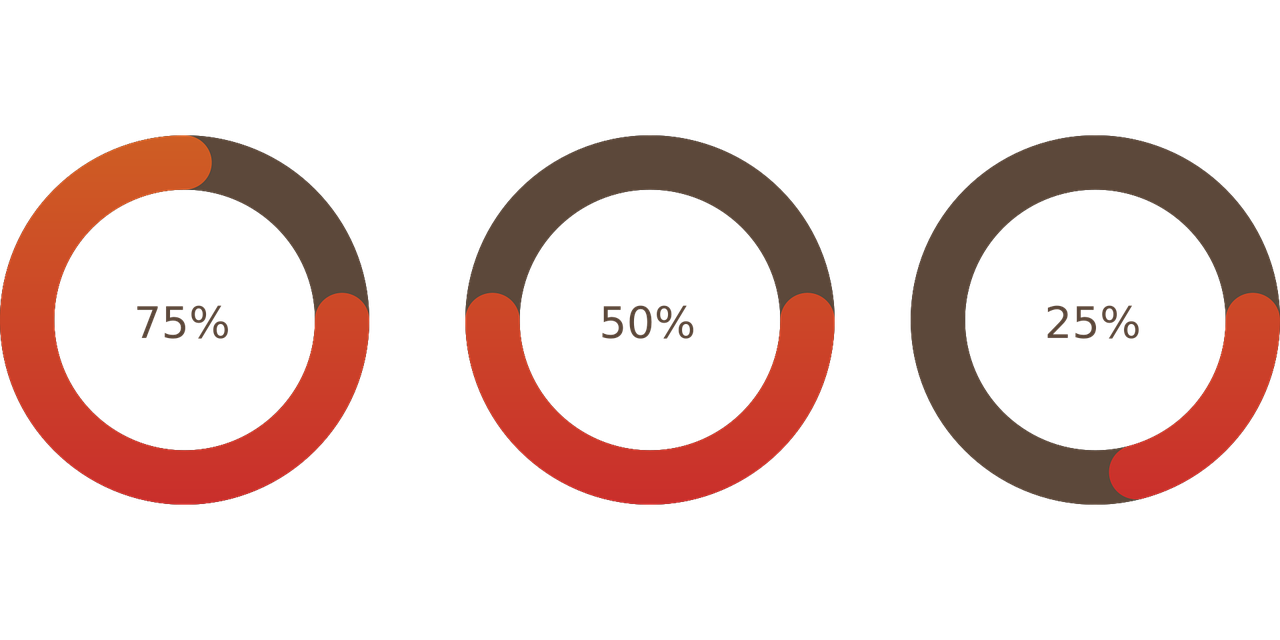
Tracking your progress in stress management is crucial for achieving success. You need clear goals to understand if you are moving forward. Begin by defining specific stress management objectives, such as practicing meditation daily, exercising regularly, or maintaining a healthy work-life balance. Once these goals are established, write them down. Documenting goals is a powerful reinforcement technique. Utilize a planner or digital tool to monitor your daily activities and how they contribute to your stress management efforts. Additionally, set measurable milestones for each goal to gauge your progress effectively. Regularly review these milestones to assess your performance. Adjust your strategies when necessary, focusing on approaches that yield better results. This adaptability will enhance your resilience and commitment. Remember to celebrate achievements, no matter how small. Recognition of your progress will motivate you to keep pushing forward. Utilize progress tracking apps or journals for continuous documentation. Sharing your experiences with a friend or a support group can foster accountability. They can provide encouragement while helping you stay aligned with your goals. Ultimately, consistency and commitment to these practices will help you attain mastery in stress management.
Consistency is vital when tracking your stress management progress. To ensure you’re on the right path, create a regular review schedule. This might be weekly or monthly, depending on your preference. During these reviews, assess your goals, what has worked, and what hasn’t. Keep track of your triggers and reactions to stress in your designated tracking tool. Be honest with yourself, recording any deviations from your targets and potential reasons behind them. Utilize metrics, like mood logs or relaxation frequency, to objectively review progress. This quantifiable data helps visualize improvements over time, leading to better strategies in managing stress. It also provides insight into patterns linked to effective stress management practices. Remember that setbacks are a part of the journey. It’s essential to remain compassionate towards yourself. Instead of being disheartened by challenges, view them as learning opportunities that reinforce your personal growth. Engage in reflective journaling, expressing thoughts and feelings regarding various stressors you face. This method can enhance your self-awareness and emotional intelligence, crucial components in effectively managing stress. Additionally, involve community support like friends or professionals to ensure continuous personal development.
Utilizing Stress Management Techniques
Implementing effective stress management techniques is critical for achieving your goals. Explore diverse methods like mindfulness, yoga, and time management. Each technique offers unique benefits, helping to reduce stress in different ways. For instance, mindfulness encourages present-moment awareness, helping to detach from overwhelming thoughts. Similarly, yoga not only promotes physical well-being but also fosters mental clarity. Start by incorporating these practices into your routine, setting aside designated time for each activity. Gauge their effectiveness through journaling or self-assessment techniques to see which resonates best. Don’t hesitate to combine these techniques; a holistic approach often yields the best results. Integrate relaxation exercises into your day as well, especially during stressful periods. Tools such as apps featuring guided meditation or breathing exercises can aid in integrating these practices. Be patient with yourself as you explore various strategies, understanding that finding the right combination may take time. Remember, consistency is critical. Create a conducive environment for practicing these techniques, minimizing distractions. The stronger your commitment, the more effective these stress management strategies will be. As you implement these, track your responses to each technique in your monitoring system for valuable insights.
Another effective method for tracking progress is joining support groups or classes. Engaging with like-minded individuals can boost motivation and provide encouragement. Your shared experiences often lead to meaningful insights and actionable advice. Many find accountability invaluable when striving to meet stress management goals. Research offerings in your local community or consider online platforms. Workshops or webinars focusing on stress management can provide new perspectives and techniques. By actively participating in these sessions, you further your understanding and approach to stress. Document your learnings from each class to enhance retention and application of skills. This holistic engagement with your stress management goals can provide necessary external motivation and foster personal relationships, which are beneficial for emotional health. You may discover novel techniques or uncover additional resources that can aid in your journey. Additionally, online communities allow for anonymous sharing of progress and challenges. They provide an additional layer of support, ensuring you feel connected. Regularly interacting with such communities will reinforce your commitment to your goals and provide essential encouragement during challenging times. Take advantage of all resources available to optimize your experiences and help guide your progress.
Measure Overall Well-Being
Tracking your overall well-being is crucial when managing stress. Implement various measures to gauge how your mental and physical health fluctuate as you pursue your goals. Keep an eye on indicators such as sleep quality, energy levels, and emotional reactivity. Utilize a stress diary to note daily stressors and your responses. This will help identify patterns and offer insights into your overall well-being. Regular assessments can reveal how your mood changes in relation to your stress management techniques. Additionally, consider measuring your productivity levels as indicators of success. Increased productivity often correlates with effective stress management practices. Explore wearable technology that monitors stress levels, heart rate, and other physiological metrics. Using apps to log daily behaviors regarding stress ensures easier tracking and accountability. These insights will be essential in reflecting on your efforts and determining what adjustments need to be made. Gradually, you will learn to anticipate stress responses, allowing for preemptive measures. Stay committed to this tracking process, and remember that your well-being is a continuous journey rather than just a goal.
Self-compassion serves as a critical element in this tracking journey. Address any moments of disappointment with kindness, understanding that progress is rarely linear. Be aware that everyone’s stress management journey is unique, and comparing yourself to others is counterproductive. Counter self-critical thoughts with positive affirmations, reminding yourself of the effort you’ve put into managing stress. Each attempt at improvement contributes to your growth. Consider rewarding yourself for reaching milestones, no matter how small, to reinforce positive behavior. Celebrating achievements can enhance motivation and remind you of your strengths. Incorporate social support into your journey; share your goals with trusted individuals who can offer encouragement. Surrounding yourself with supportive peers creates a nurturing environment for your growth. Keep adding learned strategies into your daily routine, recognizing that adaption takes time and practice. Remember to embrace the learning curve that comes with new practices; it’s part of personal growth. Regularly reflect on your emotional landscape, journaling feelings and thoughts to understand better how stress affects you. In doing so, you not only track progress effectively but also cultivate greater self-awareness.
Conclusion and Future Steps
In conclusion, tracking progress in stress management requires consistency, mindfulness, and the right set of strategies. Regularly assess your goals and refine your approaches to achieve optimal results. Utilize tools such as journals, apps, and community engagement to enhance this tracking process. Be kind to yourself while navigating challenges, staying focused on personal growth. Your unique journey calls for self-compassion, understanding, and patience. Each small step taken towards recognizing stressors and managing them effectively builds your resilience. Embrace the changes and integrate different techniques that resonate with you. Remember that progress may falter; it’s essential not to lose motivation. Seek support from communities or friends when facing adversity during your journey. Their encouragement can reinforce your commitment to adopting healthier habits. As you progress, continue reassessing your strategies and make the necessary modifications for continued success. Take pride in your achievements, no matter how minor, as they are all significant in your growth. Ultimately, with the right mindset and tracking strategies, you can pave the path towards effective stress management and a more fulfilling life.
Reach out to professionals if you encounter persistent challenges in managing stress; they can offer tailored advice and strategies tailored specifically for your situation. This comprehensive approach will lead you toward greater emotional wellness, achieving stress management goals while enhancing your overall quality of life.