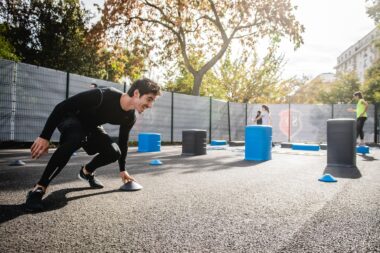

High-Intensity Interval Training (HIIT) Workouts for Beginners
High-Intensity Interval Training, or HIIT, is a popular workout technique that combines short bursts of intense exercise with periods of rest or lower-intensity exercise. This method of training is effective for increasing cardiovascular fitness, improving metabolic rate, and burning calories in a shorter period. For beginners, the appeal of HIIT lies in its adaptability; workouts can be tailored to individual fitness levels and can take place virtually anywhere, from a gym to your living room. One of the key advantages of HIIT is its time efficiency, making it suitable for those with busy schedules who might struggle to squeeze in traditional longer workouts. To get started, focus on basic movements such as jumping jacks, bodyweight squats, or push-ups. Combining multiple exercises improves coordination, strength, and endurance. Remember, it’s crucial to warm up before engaging in HIIT and cool down after to prevent injury. Pay attention to your body’s signals; if you feel overly fatigued, it’s wise to adjust your pace. With consistent practice, many see significant improvements in strength and stamina over just a few weeks. This can be an exciting journey for new fitness enthusiasts.
When participating in HIIT workouts, understanding the structure can enhance your performance. Typically, a HIIT session includes a warm-up, work intervals, rest periods, and a cool-down phase. Work intervals generally last anywhere from 20 seconds to a minute, followed by equal or longer rest times. Starting at 20-second work and 40-second rest intervals can be ideal for beginners, as this format allows enough recovery to maintain intensity. Selecting a variety of exercises keeps routines interesting and aids in developing different muscle groups. Consider alternating between exercises like mountain climbers, burpees, and high knees. The beauty of HIIT is the versatility; it can be adjusted to suit personal capabilities while still challenging oneself. Use an interval timer app to manage the work and rest periods efficiently. Short bursts of exercise create a powerful metabolic response, leading to increased calorie burn even after the workout. Incorporating HIIT into your routine two to three times a week can yield noticeable results in endurance and fitness over time. Remember to maintain proper form during your exercises to maximize benefits and reduce the risk of injury.
Finding the Right Exercises for Your HIIT Routine
Choosing the right exercises is pivotal for an effective HIIT workout. Beginners should focus on low-impact exercises to build strength while minimizing injury risks. For instance, bodyweight exercises such as squats, lunges, push-ups, and plank variations can serve as great starting points. These movements engage multiple muscle groups, fostering overall fitness. Incorporating agility drills, such as shuttle runs or lateral shuffles, can further enhance coordination and balance. Additionally, incorporating cardio exercises like jumping jacks and burpees increases heart rate swiftly, helping to maximize caloric burn in limited time frames. Opt for a mix of strength training and cardiovascular activities for a well-rounded workout. As you gain confidence, you can implement advanced variations of foundational exercises. Adding equipment like dumbbells, resistance bands, or kettlebells can increase the intensity of your sessions. Be sure to listen to your body and modify the intensity as necessary, taking breaks when needed. Tracking progress by noting repetitions or times can motivate and help see improvements, which encourages continued participation in the fitness journey.
Another essential aspect of HIIT training is recovery. The brief pauses during workouts are critical to recuperate and prepare for the next high-intensity phase. Recovery does not, however, imply complete inactivity. Gentle movements like walking or slow-paced cycling during the rest periods can help keep the heart rate steady without exhausting the body. Post-exercise recovery is equally important; after a round of HIIT, invest time in stretching and cooldown exercises to aid muscle recovery. Foam rolling can also relieve muscle tightness. Hydration is crucial during and after workouts; consider a water bottle nearby to maintain optimal hydration levels. Proper nutrition supports both workout performance and recovery. Incorporating balanced meals that include carbohydrates, protein, and healthy fats ensures that your body has the nutrients it needs to repair muscles and replenish energy reserves. Consult nutritional guidelines or a dietitian if uncertain about proper meal composition. Finally, remember that rest days are just as essential as workout days; allowing your body ample time to recover enhances overall gains and improves performance during subsequent workouts.
Monitor Your Progress and Stay Motivated
Tracking progress in HIIT workouts can significantly motivate beginners. Use a workout journal or a mobile app to record your routines, including details such as the exercises completed, time taken, and repetitions. This practice helps visualize progress, encouraging you to set new fitness goals. Recognizing small achievements, such as completing a workout without breaks or increasing repetitions, keeps the motivation alive. Engaging in HIIT classes or workout communities can foster accountability and provide encouragement. Many people find that exercising with others creates a positive competitive environment, pushing them to work harder during their routines. Consider utilizing fitness challenges, whether online or within your circle, to further stimulate your commitment to HIIT. Celebrating milestones with friends or teammates can also enhance enjoyment in the fitness journey. Additionally, remember to frequently evaluate and adjust your goals to reflect your evolving fitness levels. As your endurance increases, incorporate variations that intensify your challenges. Fitness is a personal journey with ups and downs; remaining patient and persistent is key to long-term success.
One of the significant benefits of HIIT workouts is their flexibility. HIIT can be adapted to suit minimal equipment or even be performed solely with body weight. This accessibility allows for effective workouts almost anywhere, whether at home, outdoors, or in a gym setting. For beginners looking to maintain a consistent routine, consider establishing a schedule that fits into your lifestyle. Aim for two to three sessions per week to start, gradually increasing frequency and intensity as your fitness improves. The adaptability of HIIT means that you can modify your routine based on time constraints, preferences, and equipment availability. Should you be traveling or facing an exceptionally busy week, shorter 15-minute sessions can still provide significant benefits. Remember to warm up adequately before sessions and cool down afterward to prevent injury. This flexibility supports a long-term commitment to fitness without overwhelming your schedule. Fitting in quick, effective workouts reinforces the notion that maintaining an active lifestyle does not require excessive time commitment, ultimately aiding in sustaining a healthy routine in the long run.
The Importance of Mindfulness in HIIT Workouts
Incorporating mindfulness into your HIIT workouts can enhance the overall experience and effectiveness. Focusing on your breath during exercises helps maintain a steady heart rate and promotes better performance. Mindfulness allows you to stay in tune with your body, recognizing when to push harder and when to ease up. Engaging in mental visualization techniques can also keep motivation high; envisioning your goals and success can inspire you through challenging workouts. Consider starting each session with a moment to center yourself, setting intentions for what you wish to accomplish. This approach builds a positive mindset towards fitness. Additionally, cultivating gratitude for your body and its capabilities enhances your workout experience. Forging a strong mind-body connection can yield improved performance and higher satisfaction levels in completing challenging routines. After your session, taking a few moments to reflect on your progress fosters a deeper appreciation for your journey. Mindfulness practices like meditation or focused breathing exercises off the mat can similarly promote relaxation and improve overall well-being. Ultimately, blending mindfulness with HIIT creates a fulfilling workout atmosphere.
Ultimately, embracing HIIT workouts as a beginner is a robust choice for kickstarting a fitness regime. This training style promotes cardiovascular health, strength, and weight loss through efficient workouts. As you familiarize yourself with varying exercises and find your rhythm, allow for a trial-and-error approach; finding what works best for you boosts enjoyment and longevity in your fitness journey. Commit to a balanced routine that includes strength training, cardio, rest days, and proper nutrition to sustain and amplify gains. Over time, consistency will build confidence, and many find themselves looking forward to each HIIT session. As your abilities develop, consider seeking out advanced classes or instructional videos for new techniques to keep challenging yourself. Engaging in positive affirmation and surrounding yourself with supportive communities can aid in overcoming obstacles. Rest assured, incorporating HIIT into your life can lead to significant health benefits while nurturing a motivational atmosphere. Good luck with your fitness journey, and remember, every day brings an opportunity for growth, exploration, and improvement in the realm of HIIT workouts.