
Fasting Protocols and Their Impact on Gut Microbial Balance
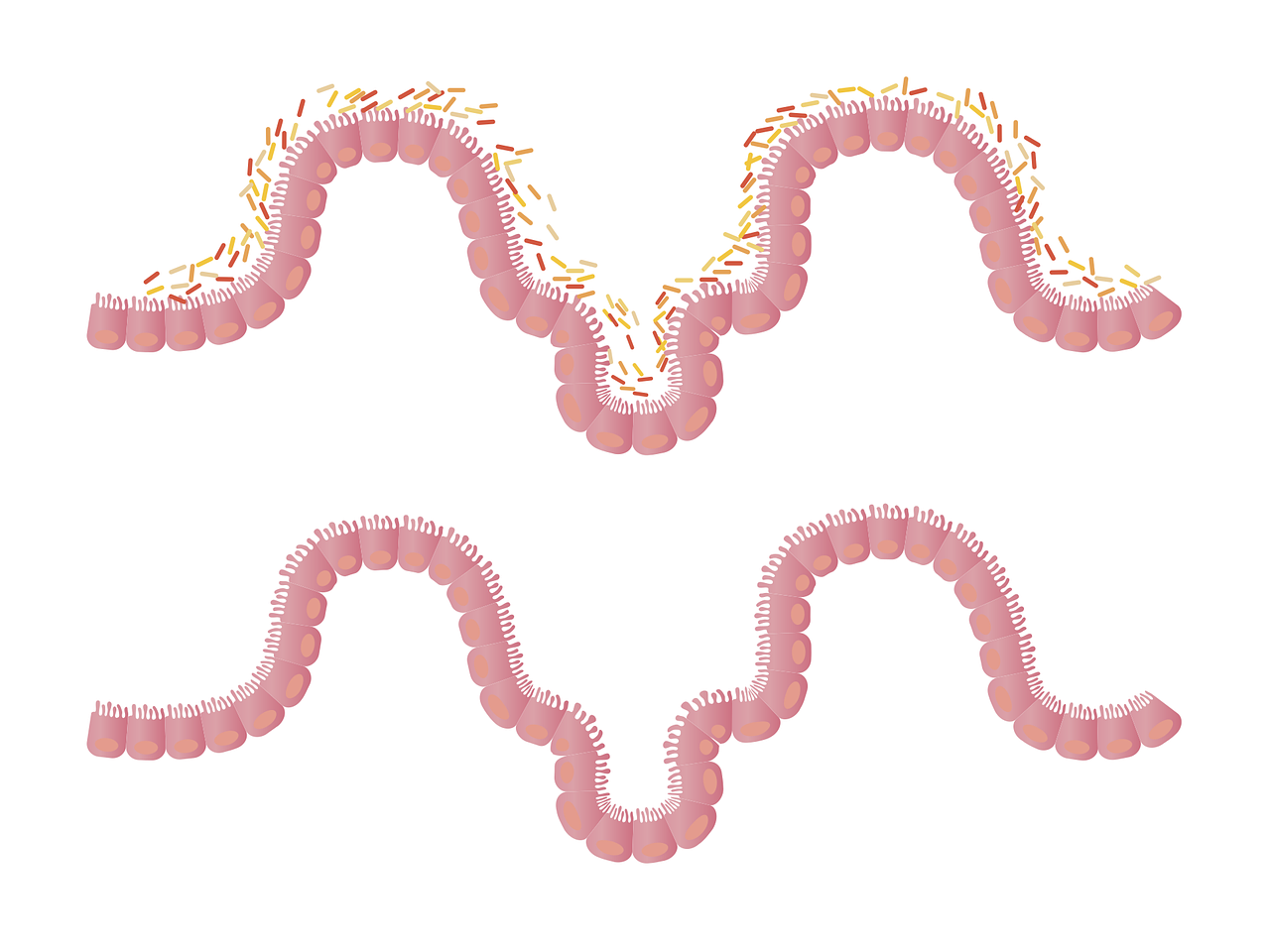
Intermittent fasting (IF) has garnered considerable interest for its various health benefits. One of the significant areas of study focuses on its influence on gut health. The gut microbiome comprises trillions of microorganisms, playing a crucial role in digestion, metabolism, and overall health. Research suggests that intermittent fasting may promote a healthier microbiome by altering the composition of gut bacteria. Regular fasting periods can encourage the growth of beneficial bacteria while inhibiting harmful species. Additionally, fasting promotes the production of short-chain fatty acids, important for gut health. These fatty acids are produced through the fermentation of dietary fibers by gut bacteria, acting as a source of energy for colon cells and potentially reducing inflammation. Furthermore, IF may enhance gut barrier function, preventing conditions like leaky gut syndrome. Altogether, these changes could improve digestion and may contribute to broader health advantages. However, it’s essential to approach intermittent fasting carefully, as individual responses can vary. Consulting healthcare professionals before starting any fasting regimen can provide tailored advice and ensure adequate nutrition throughout the process.
The microbiome also plays a significant role in immune function. A healthy gut microbiota can significantly impact the immune system, influencing inflammation and susceptibility to diseases. Studies indicate that intermittent fasting may help shape the gut microbiome toward a more beneficial state, enhancing its immune-modulating effects. This modulation can help mitigate chronic inflammation, a precursor to various health issues. By adopting intermittent fasting, individuals may find that improved gut health leads to better immune resilience and overall vitality. Some research supports the idea that fasting can promote microbial diversity, a characteristic associated with a robust microbiome. Greater diversity within the gut microbiota is typically linked to healthier digestive processes and benefits for overall well-being. Incorporating aspects of intermittent fasting into one’s lifestyle could bolster gut health and optimize immune responses. This synergy can be particularly beneficial for individuals prone to inflammatory conditions or autoimmune disorders. To maximize benefits, individuals should consider dietary choices during eating periods, focusing on prebiotic and probiotic-rich foods. Prebiotics support the growth of beneficial microbes while probiotics introduce beneficial bacteria directly into the gut, establishing a foundation for better health outcomes.
Furthermore, the timing and composition of meals when following intermittent fasting protocols can significantly affect gut health. Emphasizing nutrient-dense foods during feeding windows is critical for maximizing health benefits. A diet rich in whole foods, including fruits, vegetables, lean proteins, and healthy fats, supports gut health. Avoiding excess sugar and processed foods during these periods is equally essential, as these can negatively impact gut microbial diversity. Meal timing plays a vital role in regulating circadian rhythms and may influence metabolic processes. By aligning meal times with natural circadian patterns, individuals can further support digestive health. Some research suggests that certain types of fasting may lead to improved glycemic control and fat metabolism, contributing to a healthier gut environment. Experimenting with different intermittent fasting schedules, such as the 16/8 method or alternate-day fasting, can help individuals find what works best for their unique biology. Ultimately, finding a sustainable approach that resonates with one’s lifestyle and preferences can encourage longer-term adherence. This adherence is crucial for reaping the cumulative benefits of improved gut health and microbial balance.
The Role of Hydration During Fasting
Hydration is another essential component of successful intermittent fasting practices. Adequate water intake during fasting windows plays a significant role in maintaining gut health. Water not only aids in digestion but also supports the mucus lining of the gut, protecting it from irritants and ensuring smooth transit through the digestive system. When practicing intermittent fasting, it’s essential to focus on hydration during both fasting and eating periods. This practice promotes optimal gut function and can enhance the overall metabolic benefits associated with fasting. Additionally, herbal teas and clear broths can provide hydration without breaking the fast, helping to manage hunger pangs and promoting a sense of fullness. Staying hydrated may also help alleviate common side effects associated with fasting, such as headaches and fatigue. As individuals adapt to intermittent fasting, mindful hydration practices can have positive outcomes on gut health. Avoiding diuretics like caffeine close to fasting periods can further support hydration efforts during this time. Therefore, integrating consistent hydration strategies into an intermittent fasting regimen is vital for enhancing gut health and maximizing the benefits of fasting.
The psychological aspects of intermittent fasting should not be overlooked. Many individuals may experience changes in their relationship with food, which can affect gut health indirectly. Existing research shows that the act of fasting can alter eating behaviors, leading to healthier choices. This psychological shift often results in improved dietary habits during eating windows, promoting nutrient-rich foods essential for a balanced microbiome. Individuals might develop an enhanced awareness of their hunger cues, leading to more mindful eating practices. As a result, the food choices made during eating periods can better reflect the nutrients necessary for maintaining gut health. Fasting also offers an opportunity to explore diverse dietary practices and cuisines, further enhancing gastrointestinal health through variety. Not only do balanced meals provide fibers and nutrients, but they also support the gut microbiome positively. Focusing on whole foods and including fermented food sources can improve microbial diversity and balance. Consequently, enhancing one’s dietary framework not only benefits gut health but can foster a greater connection to food choices, promoting an overall healthier lifestyle.
Long-term Effects of Intermittent Fasting
Long-term adherence to intermittent fasting can yield substantial benefits for gut health and the microbiome. Over time, individuals may experience enhanced digestion, increased energy levels, and improved metabolic markers. Maintaining a schedule that allows for fasting cycles encourages the gut to become more adaptable and resilient to changes. This flexibility can lead to diverse microbial ecosystems within the gut, which is associated with better health outcomes. To support this adaptation, gradual entry into intermittent fasting is often recommended, allowing the body to adjust. Research suggests that longer-term practices can establish favorable gut bacteria that thrive in a fasting environment. As the microbiome stabilizes, individuals may notice enhancements in mood, cognitive function, and general well-being. The connection between gut health and mental health is an emerging area of research, indicating that a balanced gut microbiome can influence emotional regulation. By focusing on long-term dietary patterns and incorporating intermittent fasting, individuals can cultivate a holistic approach to health. Building sustainable habits establishes a foundation for improved gut health and ongoing benefits beyond just fasting periods.
In conclusion, intermittent fasting presents a promising strategy for enhancing gut health and microbial balance. The benefits of fasting extend beyond weight management and metabolic health, influencing various physiological and psychological domains. A healthier gut microbiome may improve digestion, immune function, and mental clarity. However, personalization is key in designing fasting protocols that suit individual lifestyles and needs. Each person’s response to fasting can vary significantly, necessitating a mindful approach to food intake and hydration. Additionally, integrating supportive dietary practices and hydration strategies helps cultivate optimal gut health outcomes. As research continues to uncover the intricate connections between fasting, gut health, and overall metabolic function, individuals can make informed decisions regarding their health journey. With proper guidance and recommendations, intermittent fasting can become a sustainable lifestyle change rather than a temporary solution. By embracing these strategies, individuals can unlock their potential for greater wellness, fostering a gut environment that thrives for years to come.
Ultimately, incorporating intermittent fasting into daily routines can lead to profound changes in gut health and overall wellness. Strategies focusing on enhancing the microbiome, alongside proper dietary practices, create a comprehensive approach to health. The observed benefits in digestion and immunity present a compelling case for many seeking to improve their health outcomes. Each individual’s journey will vary, requiring patience and commitment to find suitable fasting protocols. Educational resources and professional guidance should support personal fasting practices, helping to navigate potential challenges and optimizing health results. As individuals share their experiences and successes, the growing community surrounding intermittent fasting continues to spread knowledge. Engaging with others can provide motivation and support for individuals who may struggle initially. Additionally, scientific research in this field will further illuminate the relationship between fasting, gut health, and longevity. The exploration of various fasting patterns and their effects serves to inspire those eager to improve their well-being. Thus, intermittent fasting stands as a promising tool for those seeking to foster a healthier microbiome and achieve lasting benefits.