
Seasonal Energy Snacks: What’s Best for Summer vs. Winter Training?
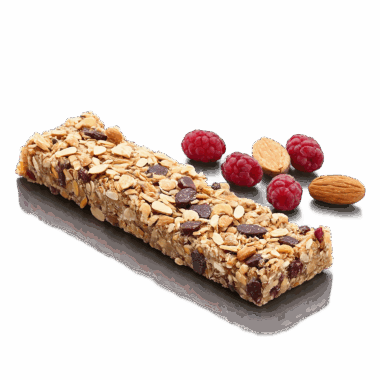
Choosing the right energy snacks for seasonal training can significantly enhance performance and recovery. In summer, hydration is vital, so snacks that provide moisture and electrolytes are ideal. Think of energy bars infused with fruits like watermelon or coconut, which aid hydration and offer natural sugars. Also popular are snacks that incorporate nuts and seeds, delivering healthy fats and protein. Summer training often takes place outdoors, making portable options perfect for on-the-go fuel. Brands are now creating innovative snacks like fruit jerky or nut clusters, combining taste with practicality. Before heading out for a run or workout, aim for a snack that offers both carbohydrates and some protein to help keep energy levels stable. During winter training, however, athletes need sustenance that provides energy for longer workouts amid colder temperatures. Look for snacks with complex carbohydrates for lasting energy and ingredients like nut butter for added warmth and richness. Energy bars with oats, honey, and dark chocolate work well as winter companions. Balanced snacks will help maximize your training regardless of the climate around you.
Summer energy snacks should be lightweight, portable, and refreshing, often including fruits and yogurt. Nutrient-dense smoothies made with yogurt, fruit, and a scoop of protein powder are excellent for post workout recovery. They can be packed into a container and consumed post-exercise for optimal recovery. Another tasty option could be fruit energy bites, which use ingredients such as dates, nuts, or seeds to create small, bite-sized snacks full of natural energy. Not only do these bites provide quick energy, but they also keep you hydrated due to their high water content. Don’t forget about hydration tablets or electrolyte-enhanced snacks for sustained energy levels in heat. Combining nuts and soft fruits balances carbohydrates and proteins ideally suited for hot summer days. If you enjoy a crunch, consider protein-packed popcorn drizzled in dark chocolate. Not only does it curb cravings, but it also gives a playful texture. Plan ahead by preparing energy packs containing several of these snacks for a complete summer training experience, ensuring a mixture of flavors to keep your palate entertained throughout the season. Balance is essential for you to stay hydrated and satisfied.
Key Ingredients for Summer vs. Winter
When it comes to selecting the right energy snacks, understanding key ingredients helps elevate performance. Summer snacks often boast ingredients like chia seeds, which are excellent for hydration and electrolyte replenishment. Also, natural yogurt rich in probiotics can be beneficial for digestion during summer workouts. In contrast, winter energy bars frequently include dense ingredients such as oats, dark chocolate, or nut butters, which provide energy for those cold, extended training sessions. These ingredients help sustain energy levels for lengthy periods when outdoor temperatures drop. Opt for energy bars with high fiber content to maintain a feeling of fullness and stability through snacks. It’s also essential to stay aware of sugar content—many products can be deceiving. High sugar levels can lead to energy slumps later; hence reading labels becomes crucial. Snacks enriched with nuts and seeds promote caloric density, providing lasting energy for longer workouts. Furthermore, selecting whole food snacks over processed options encourages nutrient density, offering real benefits rather than empty calories. This understanding will enrich your seasonal selections.
As seasons shift, so do individual training goals and requirements for energy snacks. Athletes often fortify their nutrition based on weather and training needs. For example, foods high in fiber become essential during summer, while during winter, the emphasis should be on enhancing endurance and resisting cold conditions. Hence, during summer, engage in training that focuses on quick bursts of energy, such as sprinting or interval training. Nutrient-dense bars which contain whole grains are suitable here, providing immediate energy. In winter, as workouts become longer and potentially more taxing due to the cold, protein-rich snacks keep the body warmer and help repair muscle post-exercise. Utilize lean proteins as key ingredients in your snack choices, especially during winter training. Furthermore, variations in metabolic rates and hydration levels during different seasons will dictate snack choices. Keeping an eye on how your body responds to food choices can optimize energy levels. Addressing these seasonal differences not only supports immediate workout effectiveness but also overall health and recovery.
Convenience and Portability
Convenience is crucial when selecting the right energy snacks for athletes. Especially in summer, portable and easy-to-eat options are ideal for outdoor training. Snacks such as energy gels, bars, or trail mix should easily fit within a backpack while being lightweight. These snacks empower athletes to refuel promptly without needing to prepare extensive meals on the go. In contrast, winter training can often mean athletes carry snacks with them over longer periods. They should be calorically dense to provide substantial energy. Bulkier snacks can be rewarding in this instance—think hearty grain bars packed with myriad ingredients. However, balance is vital; they must not become overly cumbersome to carry. Packaging also plays an important role; resealable packs are more convenient for saving leftovers, maintaining portability, and minimizing waste. Both summer and winter snacks should also consider spoilage factors. Temperature and exposure both affect how and when snacks are consumed. Ensuring proper storage, from coolers in summer to insulated bags in winter, improves snack longevity and effectiveness. Adapting snacks to seasonal training will significantly impact performance and experience.
As athletes become more aware of nutrition, the market for energy snacks continuously expands to meet diverse needs and preferences. Recent trends indicate that consumers seek more plant-based and whole-food options. In summer, energy bars made from whole fruits and nuts are on the rise as people gravitate towards cleaner labels. Many snacks are now gluten-free or dairy-free, fitting various dietary restrictions and allowing more inclusion. In winter, the focus shifts towards hearty ingredients that comfort and satisfy hunger while also remaining functional. Flavors also play an integral role; seasonal tastes can enhance enjoyment and satisfaction. Incorporating elements like pumpkin spice or peppermint in winter treats can make healthy eating more appealing. It reinforces the mental aspect of training, creating positive associations. Look for companies specializing in seasonal flavors, as these can bring diversity to your diet. Snacking doesn’t have to be dull; explore new realms in taste while still maintaining a focus on nutrition. The indulgence of a rich chocolate brownie protein bar could prove satisfying after a strenuous winter workout.
Conclusion: Importance of Seasonal Choices
In conclusion, choosing the right energy snacks according to the seasons not only fuels workouts but also impacts overall performance. As outlined, snacks that address specific seasonal needs help maintain energy, hydration, and enjoyment. Summer training requires lighter, moisture-rich energy options that assist with hydration, while winter demands heartier, calorically dense snacks to counterbalance low temperatures. Consumers are rewarded by staying informed about ingredient benefits, as these choices enable better energy management. Experimenting with different flavors, textures, and ingredients keeps nutrition exciting and intriguing year-round. Setting personal preferences can identify effective snacks while promoting adherence to training regimens. This exploration can vastly improve performance and recovery, blending energy requirements with culinary delights. The right approach to seasonal energy snacks forms a critical component of the larger sports nutrition landscape. Therefore, embrace the differing opportunities each season provides and plan your snack strategies to optimize athletic performance. This emphasis on tailored nutrition can ultimately lead to achieving set goals while enriching the experience of sports training. Don’t hesitate to ask professionals or fellow athletes about their favorite energy solutions and approaches that work best for them in meeting seasonal objectives.
Ultimately, an open-minded approach can enhance the enjoyment and effectiveness while remaining focused on fueling body needs. Use the changes in seasons to nurture your body through the right nutritional strategies. Attention to seasonality keeps dietary practices aligned with personalized athletic identities, proving that food can indeed be a proficient ally in athletics. Embrace the process and let seasonal energy snacks elevate your training experience.