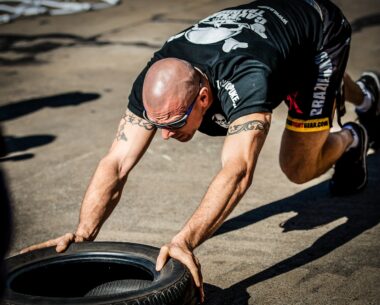

Nutrition Tips to Complement Functional Fitness Training
Functional fitness training focuses on exercises that build strength, coordination, and flexibility for daily activities. Nutrition plays a crucial role in maximizing these workouts. One of the most important tips is to ensure adequate protein intake. Consuming protein sources such as chicken, fish, beans, and dairy aids muscle recovery and supports growth. Additionally, incorporating healthy fats from avocados, nuts, and olive oil helps sustain energy levels throughout workouts. Another critical element is hydration; staying well-hydrated improves performance and reduces fatigue. Aim for at least eight glasses of water daily, adjusting for exercise intensity and outdoor temperature. Don’t forget about carbohydrates, which provide essential energy for your workouts. Choose whole grains, fruits, and vegetables to ensure a balanced diet. Planning your meals around your training schedule can enhance performance, allowing your body to fuel effectively during workouts. Lastly, considering a multivitamin can help fill any nutritional gaps in your diet. Consulting a nutritionist may provide personalized guidance to help you maximize the benefits of functional fitness training. By combining sound dietary choices with regular use of functional exercises, you lay the foundation for a healthier lifestyle.
Another important aspect of nutrition is meal timing. Eating the right foods at the right time can significantly affect your workout performance and recovery. Aim to consume a nutrient-dense meal or snack about 30 minutes to two hours before your training session. This timing allows your body to digest and convert these foods into energy. Include a mix of protein and carbohydrates in your pre-workout snack. For example, a banana with almond butter or Greek yogurt with berries can provide the necessary fuel for your workout. Post-workout, focus on recovery. Consuming a meal rich in protein and carbohydrates within 30 minutes after exercising helps replenish glycogen stores and supports muscle repair. Smoothies are often a popular choice since they can be easy to digest and packed with nutrients. Remember, preparing meals in advance can ensure that you have healthy options ready at all times. This practice minimizes the temptation to grab unhealthy, convenience items. By prioritizing your nutritional strategy and being mindful of meal times, you can significantly amplify the effectiveness of your functional fitness regimen.
Understanding Macronutrients
Understanding macronutrients is essential for tailoring your nutrition to complement your functional fitness training. There are three primary macronutrients: carbohydrates, proteins, and fats, each playing a unique role in fueling your body. Carbohydrates are vital for providing energy, especially during high-intensity workouts. Not all carbohydrates are created equal; prioritize complex carbs from whole grains, fruits, and vegetables. These sources provide sustained energy rather than quick spikes, which are often followed by energy crashes. Proteins are essential for muscle repair and growth, especially when engaging in strength training. Ideal sources include animal products, legumes, and plant-based proteins. Fats often get a bad reputation, but healthy fats are important for overall health. They can help improve hormone levels and cognitive function. Sources such as avocados, seeds, and fatty fish are excellent choices. Always strive to maintain a balanced diet, with each macronutrient contributing to your fitness goals. Furthermore, experimenting with the ratios of these macronutrients may help you identify what best fuels your workouts. Keeping a food journal could help you track your intake, assisting in making informed dietary choices.
In addition to macronutrients, micronutrients also play a significant role in performance and recovery. Vitamins and minerals support various bodily functions, helping convert food into energy and promote muscle contraction. Leafy greens are rich in iron, while dairy products provide calcium, crucial for bone health and muscle function. Incorporating a variety of colorful fruits and vegetables into your meals ensures a wide range of micronutrients, which can optimize your athletic performance. For those engaged in regular intense exercise, magnesium is vital; it aids muscle relaxation and helps prevent cramps. Foods such as nuts, seeds, and whole grains are rich in magnesium and should be included in your diet. Vitamin D is another essential nutrient, particularly if you train indoors or live in less sunny climates. A lack of Vitamin D may hinder muscle recovery and performance levels. Sunlight exposure can help, but supplementing or consuming fortified foods may be necessary. Always consider discussing any significant dietary changes with a healthcare professional and Monitor your body’s response to different foods and nutrients as you enhance your functional fitness journey.
The Importance of Pre and Post-Workout Nutrition
When focusing on functional fitness, pre-workout and post-workout nutrition become essential components of a successful regimen. Eating appropriately before a workout can significantly affect energy levels and overall performance. For pre-workout snacks, it’s recommended to choose easily digestible options to avoid discomfort during exercises. Combining carbs and protein usually yields the best results; try oatmeal with protein powder or peanut butter toast. Additionally, consuming the right foods post-workout is crucial for recovery and muscle growth. Ideal post-workout meals should be rich in protein to aid recovery and help rebuild the muscle fibers that were stressed during your training. Lean meats, egg whites, or plant-based protein options can all be beneficial. Carbohydrates should also be included to replenish glycogen stores used during exercise. Sweet potatoes, quinoa, or even a smoothie can provide the necessary nutrients for optimal recovery. Remember, timing your meals and snacks around your workouts enhances recovery and performance. By focusing on both pre and post-workout nutrition, you can support endurance and strength while gaining the full benefits of your functional fitness program.
Another vital tip is to listen to your body’s hunger signals. This approach empowers you to cater your nutrition to your specific needs and workout demands. Beyond following generic dietary guidelines, paying attention to your body’s specific cues can enhance performance and recovery. If you’re feeling hungrier on days of intense workouts, increase your calorie intake slightly to support your energy requirements. For rest days, you may want to reduce your consumption and focus more on nutrient-dense foods without added calories. Understanding the relationship between food intake and exercise can help you maintain optimal energy levels and prevent potential burnout. Moreover, take note of how different foods affect your performance. Some may find dairy heavy; switching to plant-based alternatives could enhance comfort while exercising. Keeping a journal log can help track how certain foods influence energy levels. Aside from physical cues, emotional well-being is also crucial. Remember to enjoy your meals, savoring and appreciating what you consume to foster a healthy relationship with food. Integrating mindfulness practices while eating can foster a more positive overall approach to nutrition and fitness.
Finding Balance and Sustainability
Lastly, sustainable changes to your nutrition may lead to better long-term results. While specific diets offer quick fixes, they often lack the elements needed for a balanced lifestyle. Instead of drastic dietary changes, focus on gradual adjustments that can become habits over time. This approach makes it easier to adhere to a healthy diet when facing daily challenges. Incorporating more vegetables into meals, choosing whole grains, and swapping sugary snacks for healthier alternatives can produce significant changes without feeling overwhelmed. Consciously making these small adjustments fosters a balanced nutrition plan that complements your functional fitness training effectively. Meal prep can also enhance sustainability. Preparing meals in advance can save time during busy weekdays and contribute to healthier choices, reducing the temptation to grab fast food. Additionally, enjoying your favorite treats in moderation can help foster a healthy relationship with food. Remember, balance is key; allowing yourself occasional indulgences can help maintain mental motivation. As you strive toward fitness goals, remember that sustainable practices make achieving and maintaining results easier over time.
Summing up, combining effective nutrition with functional fitness training can significantly enhance performance, strength, and well-being. Emphasizing whole foods, macronutrient balance, appropriate meal timing, and mindful eating creates a solid foundation. By developing an understanding of your individual nutritional needs, you can better support your fitness goals. Whether it’s focusing on protein for recovery, consuming enough carbs to fuel workouts, or ensuring adequate hydration, proper nutritional choices provide the underlying support for your workout regimen. Don’t hesitate to seek advice from nutrition professionals or fitness coaches to receive tailored recommendations for your unique circumstances. Adopting a holistic approach that encompasses not just workouts but also nutrition will yield the best results. Over time, by building sustainable habits that cater to your lifestyle, you create a vibrant balance. Mindfulness in nutrition and fitness enhances enjoyment in your routine, leading to lasting changes. Ultimately, embracing this journey toward fitness with a strong nutritional foundation will empower you to reach your goals and enjoy a healthy, active life. Engage actively with your nutrition and fitness regimen, and witness significant improvements in your functional fitness experience.