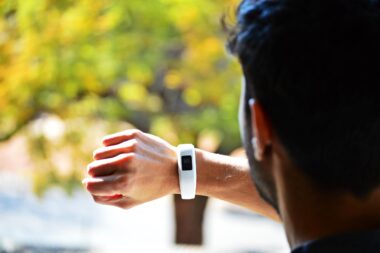

Mobile Fitness Platforms Leveraging Geolocation Trends
The integration of geolocation technology within mobile fitness platforms has revolutionized how individuals engage with their fitness routines. Through the use of GPS tracking, users can easily locate nearby gyms, fitness classes, and outdoor activities tailored to their preferences. This seamless accessibility enhances user experiences and encourages individuals to explore fitness options they may not have considered otherwise. Fitness apps that leverage geolocation also enable users to connect with local workout groups or training partners, thus fostering a sense of community. As a result, participation in fitness activities is not only more convenient but also more social. Users can participate in challenges that encourage them to walk, run, or cycle to designated local attractions, enhancing motivation and accountability. The gamification elements involved in such apps contribute to increased engagement and satisfaction. Additionally, geolocation technology allows for the incorporation of personalized workout plans based on users’ locations, making it easier to accommodate individual schedules and preferences. Overall, the innovative combinations of fitness-related services with geolocation technology are creating exciting and diverse opportunities for users to lead healthier lifestyles.
Another significant advantage of geolocation in mobile fitness platforms is the ability to track user progress within specific areas. For instance, when running outside, users can see their performance on a mapped route, allowing them to gauge their improvements and set personal bests. Many fitness applications offer features that allow individuals to compete against friends or strangers in various challenges set within their geographical location. This competitive aspect not only drives users to push themselves further but also adds a layer of social interaction that helps maintain interest in fitness activities. Additionally, incorporating geolocation technology can lead to improved safety while exercising outdoors. For instance, users can alert friends or family about their running routes or check-in when arriving at a specific location, enhancing security. Categories of engagement offered by mobile fitness platforms like running, cycling, or yoga create tailored experiences that cater to all preferences and abilities. The further incorporation of insights from user data allows these platforms to areas of interest, creating more customized fitness solutions. Overall, integrating technology in fitness increases accessibility and attractiveness across users, motivating everyone to participate.
The Future Impact of Geolocation in Fitness
As technology continues to advance, geolocation is expected to evolve further, especially regarding mobile fitness platforms. Future iterations may integrate augmented reality (AR) features to enhance workout experiences while providing real-time information about nearby facilities. For instance, when jogging in a park, users could receive augmented insights on trail lengths and other amenities, enriching their outdoor workout experiences. Moreover, harnessing artificial intelligence (AI) alongside geolocation technology can lead to personalized coaching experiences that dynamically adjust based on user location and workout trends. Such advancements may also yield improvements in marketing by enabling local gyms and trainers to target users more effectively through special promotions based on within-app location tracking. These innovations can also facilitate access to exclusive fitness events that cater to users’ interests and demographics. Likewise, geolocation may help establish virtual communities where users can share their local fitness journeys, gaining insights and support from fellow enthusiasts. As geolocation becomes more intertwined with fitness technologies, it’s crucial to address privacy concerns and user consent, ensuring that users feel secure and confident sharing their data with fitness applications.
The rise of mobile fitness platforms paired with geolocation technologies is fundamentally reshaping the fitness industry landscape. Companies have begun investing significantly in developing or enhancing their applications to leverage these advanced features effectively. User-centric design, clear geolocation functionalities, and seamless interface experiences are crucial for attracting and retaining users. Furthermore, as competition increases in the fitness app market, developers must continuously innovate to survive and thrive. Applications that focus on integrating geolocation creatively, providing customized local offers, or enabling peer interactions will likely gain a more extensive user base. As a result, the usability of apps becomes central to user satisfaction, and developers must focus on conducting comprehensive user research to understand their communities better. Analyzing the insights derived from user behaviors can empower developers to address gaps or frustrations in existing applications. Disruption caused by the innovative application of geolocation has prompted established players to adapt and experiment with emerging technologies in the fitness space. To stay ahead of the trend, mobile fitness platforms must recognize user needs and desires while integrating exciting new technological possibilities.
Social Engagement Through Geolocation
Social features integrated into fitness platforms using geolocation can markedly enhance user engagement and accountability. By allowing users to share their locations while participating in runs, hikes, or group classes, fitness platforms create opportunities for social interaction within local communities. Users can search for workout groups or activities in their area, enriching their fitness experiences by sharing their journeys with like-minded individuals. Such communities support motivation and nurture connections beyond workout sessions, ultimately contributing to a more active lifestyle. Participants can organize meet-ups or competitions, fueling fitness challenges that might otherwise seem daunting. Furthermore, as users share their physical activities through social media channels, they inspire others to join the movement. This creates a positive feedback loop in which fitness achievements are celebrated within families, friendships, and community networks. Additionally, platforms that allow users to find workout partners or fitness classes based on their location can help build supportive relationships among users. The distinct combination of fitness, technology, and social connection enables users to forge deeper and more lasting engagements with their fitness goals while also fostering friendships.
Geolocation can also enhance personalization within mobile fitness platforms by offering tailored workout suggestions based on user location and preferences. For instance, if a user is near a particular gym or fitness class, the app can prompt them with relevant information or suggest an impromptu workout session. The ability to factor in local events, weather conditions, and availability of resources creates a more engaging fitness experience. Mobile fitness applications can further integrate geolocation to assess the popularity of specific routes among users, providing valuable insights into trends and preferences. This information can help guide users toward the most popular and effective workouts, enhancing their overall fitness journey. Moreover, the flexibility and adaptability offered by mobile fitness platforms mean that users need not be confined to a single location or routine. Instead, they can explore fitness options that suit their lifestyles, whether traveling or managing a busy schedule. By breaking geographic barriers, geolocation innovations help users discover new opportunities while remaining committed to achieving their fitness goals, creating lasting habits that contribute to a healthier lifestyle.
Conclusion
In conclusion, the fusion of geolocation technology with mobile fitness platforms is poised to shape the future of the fitness industry positively. By focusing on enhancing user experience through location-based features, fitness applications become increasingly accessible and appealing. The diverse array of options available to users, ranging from personalized workout recommendations to social engagements, empowers users to make informed health choices. As developers continue to innovate and experiment with technological advancements, the importance of user feedback and engagement cannot be overstated. Mobile fitness platforms that prioritize community building, user safety, and personalized experiences will likely thrive in a rapidly evolving market. Additionally, as geolocation capabilities become more sophisticated, ensuring users feel secure sharing their personal information remains a priority. The enthusiasm surrounding the integration of technology into fitness underscores an exciting era in health and wellness. Overall, the synergy between location, community, and personal growth creates an environment where individuals are empowered to pursue their fitness aspirations actively and meaningfully, paving the way for a healthier, more engaged society.
The ongoing advancements in mobile fitness platforms showcasing geolocation trends reveal the dynamic nature of the fitness industry as a whole. Early adopters of this technology have paved the way for innovations that enhance user experiences while addressing their needs and preferences. Future developments may explore even more intricate integrations of technology, including the use of wearables that track and report user data in real-time. As a result, users could receive instant feedback based on their workout efforts or environmental factors through their mobile applications, further promoting engagement. The potential to access indoor locations or fitness classes using location-based services could further democratize opportunities for participants across diverse demographics. As the future unfolds, it will be vital for developers to maintain a balance between maximizing user enjoyment and adhering to privacy regulations governing personal data. Users will ultimately choose platforms that align with their values and provide transparent insights into how their information is managed. This adaptation towards responsible data sharing, combined with innovative technological advancements, will continue to redefine what is possible within the fitness industry as we embrace a more connected world.