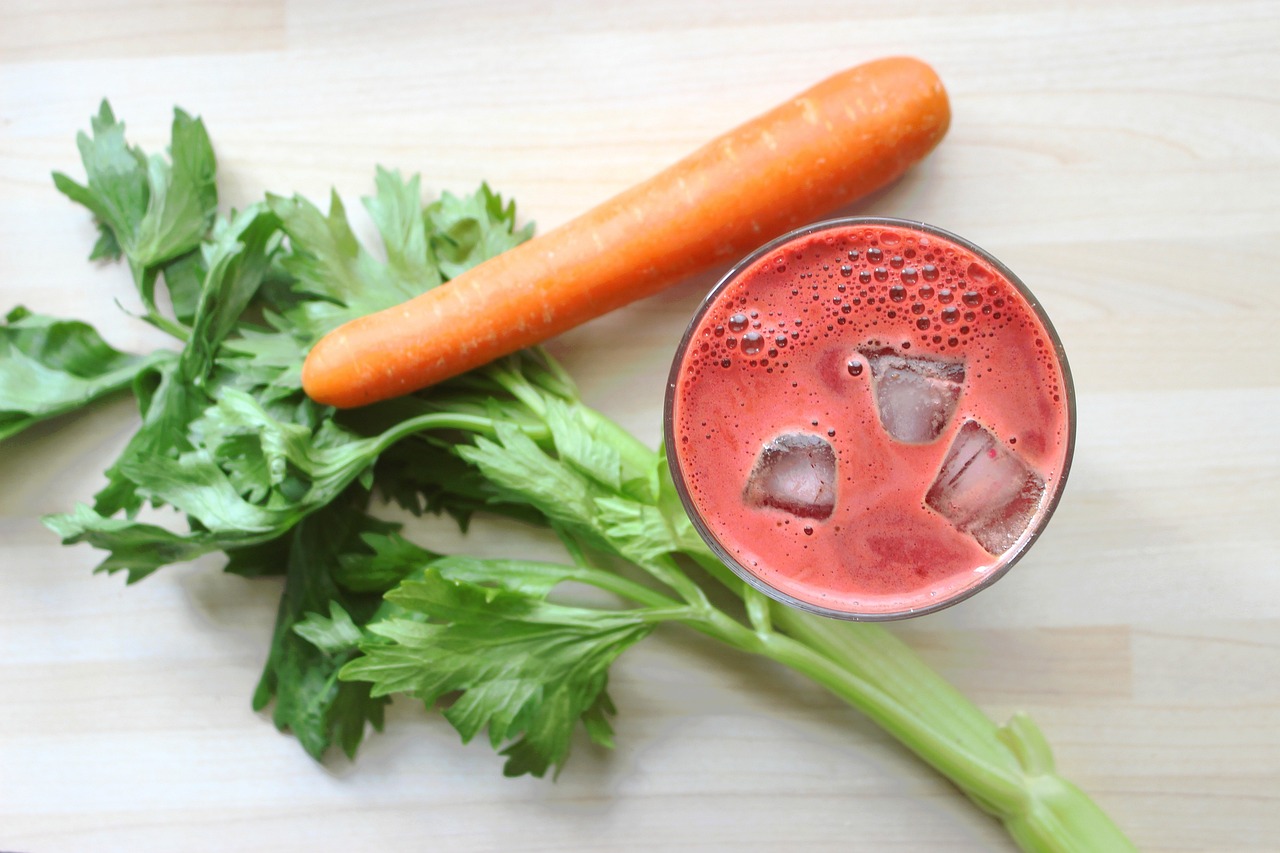

Detoxing After Holiday Eating: What Science Says About Its Effectiveness
As the holiday festivities wind down, many people experience a sense of guilt surrounding their eating habits. The overindulgence of festive feasts often leads to a desire for detoxification and cleansing. This article delves into the effectiveness of detox diets, providing evidence-based insights into their benefits and potential pitfalls. Scientific studies offer varying opinions on these diets, with some supporters claiming they provide a necessary reset for the body after rich, heavy meals. Critics, however, argue that our bodies can detoxify themselves naturally, rendering these diets unnecessary. Understanding the balance between beneficial practices and harmful fads is crucial for achieving lasting wellness. The process of detoxing can involve a range of methods, such as juice cleanses, fasting, or strictly adhering to a whole foods diet. Each approach aims to eliminate toxins and replenish nutrient levels. However, individuals should carefully select a detox method, considering personal health conditions and dietary preferences. Some experts even suggest consulting a healthcare professional before embarking on a detox diet to prevent negative consequences. Ensuring that our approach is both safe and effective is essential for reaping the best benefits.
The Science Behind Detox Diets
Research indicates that detox diets mainly focus on reducing the intake of processed foods, sugars, and unhealthy fats, promoting whole foods that are rich in nutrients. Proponents argue that these diets can positively impact the body’s natural detoxification systems, such as the liver and kidneys. They claim that by enhancing the intake of fiber-rich foods, individuals can support digestive health and eliminate waste more efficiently. This process may help reduce bloating, fatigue, and gastrointestinal discomfort, which are common after holiday indulgence. However, critics of detox diets point out the lack of comprehensive scientific evidence supporting their effectiveness. According to available studies, the body possesses intrinsic capabilities to cleanse itself through metabolic processes and organ function. Those advocating for a natural detox suggest implementing sustainable lifestyle changes instead. This includes consuming a balanced diet, engaging in regular exercise, and staying hydrated. Such practices can enhance optimal digestion and metabolism, proving invaluable for maintaining health and energy. The impact of a detox diet may vary greatly across individuals, making personalization key to finding an effective approach. Thoroughly understanding these concepts allows individuals to navigate their detox journeys.
In addition to dietary choices, incorporating regular exercise plays a vital role in the detox process. Physical activity stimulates various bodily functions, including circulation, digestion, and waste elimination. Engaging in moderate aerobic exercise, such as walking, jogging, or cycling, can encourage optimal blood flow and support overall wellness. Combining exercise with a nutrient-dense diet can produce cumulative benefits, leading to improved energy levels and mood. The connection between mind and body via physical movement can also enhance emotional well-being during periods of dietary restriction. Practicing mindfulness and stress management techniques further contributes to an effective detox. This holistic approach ensures not only physical but also mental health are prioritized. Furthermore, plenty of sleep is essential for recovery during a detox. It is during sleep that many repair processes occur, including cellular regeneration and detoxification. Hence, prioritizing adequate rest supports the liver’s ability to eliminate toxins and restore balance. For those considering detox regimens, adding gentle yoga or meditation can help maintain relaxation and reduce stress levels. These methods collectively create an environment conducive to rejuvenation. Understanding the significance of a multi-faceted approach can empower individuals to achieve their health goals.
Potential Risks of Detox Diets
While the allure of quick results may tempt individuals to follow detox diets, there are inherent risks associated with them. Many detox diets impose extreme dietary restrictions, leading to potential nutrient deficiencies. Prolonged adherence to inadequately balanced diets may adversely impact metabolism, muscle mass, and overall health. Moreover, juice cleanses and fasting regimes might result in fluctuating blood sugar levels, causing harmful side effects such as dizziness or fatigue. Psychological effects can also manifest, as strict diet regimens may trigger or exacerbate unhealthy relationships with food. Therefore, it is critical to approach detoxing cautiously and consider the potential implications on both physical and mental health. Consulting with healthcare professionals can provide necessary guidance tailored to individual circumstances. Additionally, integrating gradual dietary changes can mitigate risks while promoting sustainable health practices. Instead of pursuing drastic detox programs, individuals are better served by focusing on moderation and balanced nutrition that allows for celebratory indulgences without guilt. Emphasizing wholesome choices and regular physical activity fosters lasting changes that enhance overall wellness. By acknowledging the complexities surrounding detox diets, individuals can make informed decisions beneficial for their long-term health.
Ultimately, the effectiveness of detoxing after holiday eating varies among individuals based on personal needs, preferences, and health status. While some may find value in adopting short-term detox regimens post-holidays, others will achieve impressive results through moderation and gradual lifestyle changes. Balance is key; rather than seeking extreme solutions, individuals should consider sustainable practices. Prioritizing whole foods, hydration, and mindful eating, alongside regular exercise, fosters optimal health beyond mere detoxification. It’s important to develop a nourishing mindset, including forgiveness for indulgences, which can lead to improved self-esteem and body image. Celebrating food as a source of joy, nourishment, and connection is vital in the journey towards a balanced relationship with what we eat. Additionally, integrating detoxifying foods such as leafy greens, berries, and nuts into everyday meals supports detoxification while enhancing overall nutrition. It is essential to understand that detoxing should not become an intimidating or rigid process. Developing a compassionate attitude towards one’s dietary choices can lead to incremental improvements in health and vitality. Ultimately, a combination of awareness, balanced nutrition, and self-compassion can work together to create a thriving lifestyle.
Conclusion
In conclusion, detoxing after holiday eating is a personal journey that requires careful consideration and individualized approaches. While detox diets can be appealing, they may not be suitable for everyone and could pose risks to health if not approached responsibly. The scientific evidence suggests that our bodies are capable of self-detoxification without drastic measures. Therefore, rather than focusing solely on detox diets, individuals should aim for a comprehensive lifestyle that includes nutrition, exercise, mental well-being, and stress management. Establishing healthy habits and understanding the importance of moderation can lead to significant improvements in health over time. Additionally, exploring alternative options like participating in wellness retreats or engaging in cooking workshops can offer valuable learning experiences. Seeking out community support and sharing experiences with like-minded individuals fosters motivation and accountability. Therefore, embracing a nourishing and sustainable approach to food and lifestyle choices will ultimately enhance both physical and emotional health. In fostering a positive relationship with food, individuals are better equipped to navigate through holiday seasons, enjoy celebrations mindfully, and prioritize overall well-being throughout the year.
As we reflect on the topic of detoxing after holiday eating, it’s evident that the conversation surrounding diets can be complex. Relying solely on detox methods might not lead to the long-term solutions one hopes for; in contrast, adopting a balanced lifestyle can provide sustained benefits. People should feel empowered to choose paths that resonate best with their individual needs and lifestyles. When approached with a positive mindset, the pursuit of health and wellness can be both enjoyable and fulfilling. By incorporating nourishing foods into regular eating routines, one can create a sustainable environment for health improvement. It’s about forming connections with the body and understanding its unique needs through conscious choices. Acknowledging that food is not the enemy, but rather, a vital part of everyday life aids in developing healthier attitudes towards eating. Therefore, rather than focusing on extreme measures, individuals are encouraged to celebrate their bodies, classifying food as a source of energy and happiness. Overall, this balanced and empathetic approach allows for the promotion of a healthier, more fulfilling life as one navigates the aftermath of holiday indulgences.
Consider this wisdom as you embark on your journey post-holiday feasting. Adopting a moderate approach to food encourages intuitive eating behaviors, which can lead to not only physical health but also improved mental wellness. Engaging with food as a source of pleasure rather than a hurdle creates a foundation for positive health changes. The most substantial transformations occur not through short-term fixes but through gradual adjustments that can be maintained over time. Research continually validates the importance of moderation, mindfulness, and balanced nutrition as foundational aspects of health. As one reflects on festive indulgences, it is essential to educate oneself about the nutritional value of foods consumed regularly. Exploring the vast world of cooking and culinary arts can enhance appreciation for nourishing meals and create opportunities to connect with one another. With knowledge and understanding, individuals can reclaim their agency over what they consume, leading to healthier food choices. Encouraging exploration of new recipes and cooking styles promotes diversity in meals while ensuring that nourishment remains enjoyable. By focusing on these positive aspects, detoxing transitions from a daunting task to a joyful journey of self-discovery and wellness.