
Balancing Rest and Training in the Weeks Following a Competition
After a bodybuilding competition, it’s vital to transition effectively into post-competition recovery. This phase is crucial for allowing your body to recover while maintaining gains. The first step is understanding that rest does not mean complete inactivity. Light, restorative exercise can be beneficial. Gentle cardio, stretching, and mobility work help to reduce muscle soreness and prevent stiffness. Prioritize sleep and hydration, as these elements are key to recovery. Additionally, integrating active recovery activities like yoga can aid in restoring flexibility. Focus on nutrition during this time, as it plays a critical role in recovery. Ensure you’re consuming enough protein for muscle repair while also including healthy carbohydrates and fats. A balanced diet supports energy levels and helps replenish what was lost during competition prep. Consider working with a coach or nutritionist to adjust your diet progressively, allowing for a smooth transition to a more relaxed eating pattern. Set realistic recovery goals in terms of training intensity and volume. This calibrated approach ensures a gradual return to rigorous training while minimizing injury risks.
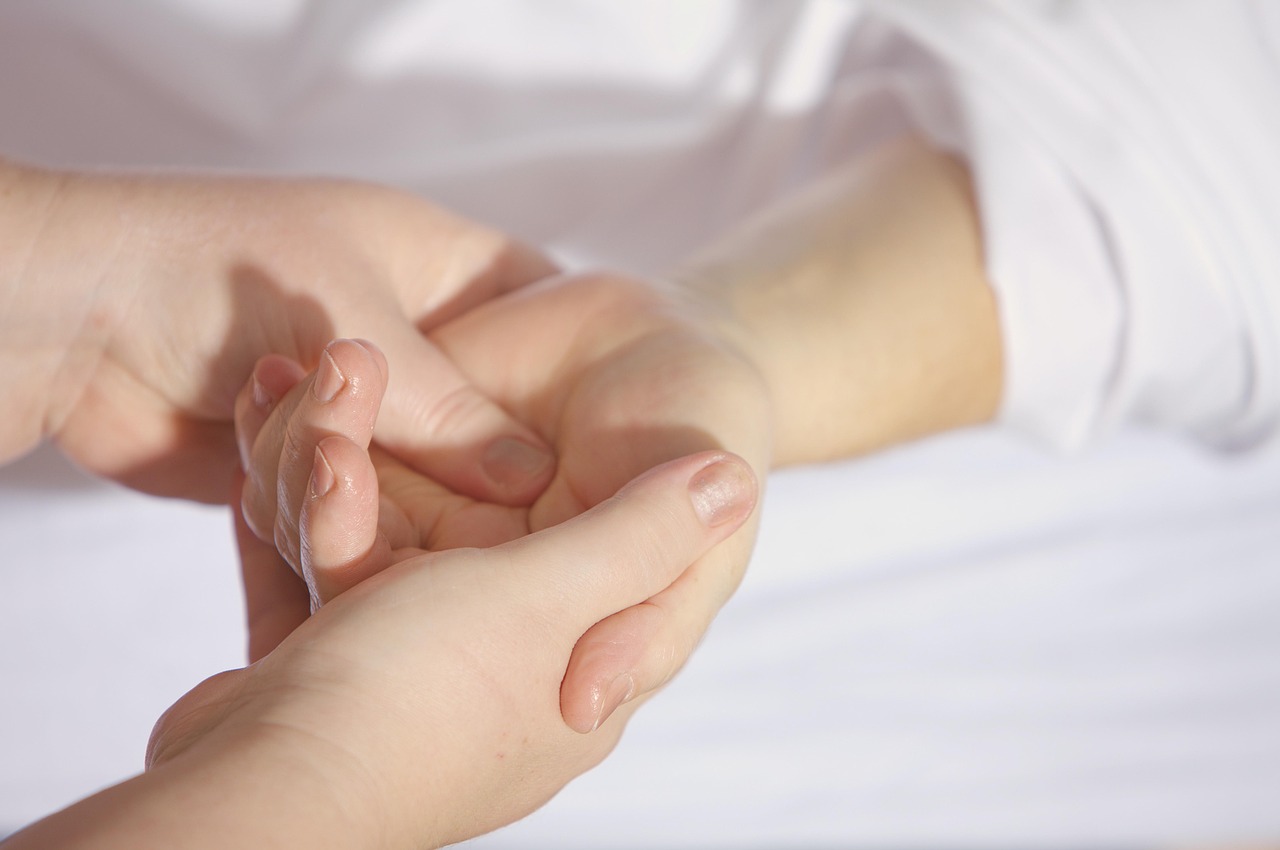
Listening to your body becomes essential in this recovery period. Understand the difference between fatigue and soreness. While muscle soreness indicates your muscles are healing, excessive fatigue may signal that more rest is needed. Having a recovery plan in place can help you recognize these signs early. Incorporate techniques like foam rolling and massage to alleviate tightness. It’s beneficial to maintain a light training routine to keep your body engaged without overwhelming it. Utilizing this time to focus on mobility can enhance your overall performance later. Test the waters with low-impact exercises and progressively increase when your body allows. Tracking your progress with strength and endurance can provide helpful feedback during recovery. A gradual return to your original routine is important to avoid burnout or injuries. It would also help to explore new physical activities during this time. Trying something different, whether it’s a new class or sport, can reinvigorate your passion for fitness. Most importantly, maintain a positive mindset during recovery. Embrace this period as an opportunity to realign your goals and focus on long-term health rather than immediate competition. Remember, recovery is part of the journey toward future success.
Nutrition Adjustments
Post-competition, nutrition adjustments are crucial for effective recovery. Transitioning from the restrictive dieting phase back to a more balanced approach is necessary. Start by gradually reintroducing foods that were limited during the competition prep. This helps restore glycogen levels and improve energy availability. Emphasize whole, nutrient-dense foods to support overall health and muscle recovery. Include plenty of fruits, vegetables, and whole grains in your meals. It’s also important to monitor your macronutrient ratios during this time. Many bodybuilders may experience cravings after competitions, so being mindful of portions will help manage weight fluctuations. Additionally, staying hydrated should remain a priority. Electrolyte balance is vital as your body adjusts to a more normal intake of fluids. Keep a water bottle handy and aim for several liters daily, especially if engaging in physical activity. Another effective strategy is meal prepping to save time and avoid impulse eating. Preparing meals ahead of time ensures that you stick to your nutrition plan. Lastly, consider supplementing with vitamins and minerals to support recovery as needed and to fill potential gaps in your post-competition diet.
Mental recovery is as important as physical recovery after a bodybuilding competition. The mental stress of preparing for the event can take a toll on athletes. Pay attention to your mindset during this transitional period. Engage in relaxation techniques such as meditation, deep breathing, or journaling to process your thoughts. These practices help in reducing anxiety and promoting a sense of calm. As you shift your focus from competition to long-term training goals, setting new objectives can be beneficial. Consider what you want to achieve in the upcoming months, whether it’s improving personal bests or exploring different training methods. Building a supportive network also plays a critical role. Surround yourself with fellow bodybuilders, trainers, or friends who understand the journey. Open conversations about your experiences can foster encouragement and motivation. Reassess your training philosophy and don’t hesitate to adapt your routine based on this experience. Keep communication open with your coach to align your mental and physical training needs. At this stage, it’s key to celebrate small victories as you transition back into a regular schedule.
Rest and Recovery Protocols
Establishing solid rest and recovery protocols is essential in the weeks following competition. Balancing training with adequate recovery allows your muscles to heal and help prevent overtraining. Set aside rest days within your training schedule without guilt. Utilize these days for lower intensity activities or simply for relaxation. Incorporate practices like active recovery sessions, which can involve walking or light jogging for short durations. The goal is to maintain circulation while allowing muscles to recuperate. Additionally, consider implementing a deload week post-competition. This is a time to reduce training volume and intensity, promoting recovery while still engaging in physical activity. Make sure to include adequate rest and sleep as part of your protocol. The body repairs itself during sleep, making it a critical component of recovery. Aim for at least seven to eight hours of quality sleep each night. Keep track of how you feel throughout this process. Adjustments may be necessary based on how your body is responding. Remember that taking time to recover is an investment in your future performance.
Experimenting with different training methods after a competition can provide new insights into your fitness journey. This period allows you to explore varied styles of workouts that may enhance your overall performance. For example, consider integrating circuit training, functional movements, or high-intensity interval training into your routine. These methodologies can stimulate different muscle groups and improve conditioning. Additionally, you can focus on weak areas that need attention. This exploration encourages a more rounded implementation of techniques. Be open to trying elements outside traditional bodybuilding routines. Activities like swimming, cycling, or team sports can help maintain fitness while providing mental freshness. Prioritize finding elements of fun that keep you engaged in training. Transitioning into new routines can also help prevent burnout from the structured environment of competition training. As you embark on this journey, be patient with yourself, recognizing that adapting takes time. Along with physical changes, your mindset will also evolve. Forge connections with your passion for fitness, striving to enjoy the process rather than focusing solely on outcomes.
Monitoring Progress
Monitoring your overall progress during this recovery phase is crucial for future competitions. Keep a detailed log of your workouts and nutritional intake to better understand how your body responds to various stimuli. Regularly assess performance indicators, such as strength levels, endurance, and recovery times. Consider utilizing tools like tracking apps or journals to track progress consistently. These logs highlight patterns that could inform necessary adjustments to your program. Additionally, schedule periodic evaluations, possibly including assessments from a coach or trainer, who can provide an external perspective on your development. This can prove valuable in refining your training regimen. Allow yourself flexibility, adapting strategies as needed based on your recorded feedback. It’s also significant to celebrate your achievements, no matter how small. Recognizing improvements along your journey builds motivation and pushes you toward sustained success. Avoid comparing yourself to others, focusing instead on your unique progress. Ultimately, trusting your instincts and staying dedicated will yield the best results as you prepare for upcoming competitions. Each step and decision is essential to shaping a sustainable model for long-term progress and fulfillment in your bodybuilding career.
Building a robust support system can significantly impact your success during post-competition recovery. Engage with fellow competitors, coaches, and bodybuilding communities for encouragement and advice. Sharing experiences with other athletes creates bonds that foster motivation. Leverage online platforms or local gym groups to connect with like-minded individuals. Building relationships can offer accountability, helping you stay focused on your recovery journey. Consider also exploring social media networks designed for fitness enthusiasts. These resources provide inspiration and can help keep your spirits high throughout this transitional phase. Sharing your experiences creates a sense of community while gaining insights from others in similar situations. Remember that everyone’s journey is different, and learning from others can provide new strategies for your recovery. Stay proactive in seeking out forums or groups that align with your goals. Engaging in these interactions can enhance your knowledge while also building camaraderie. Lastly, if you encounter challenges or feel overwhelmed, don’t hesitate to seek professional guidance, such as a sports psychologist. This support aims to strengthen your mental resilience, giving you the tools to navigate your bodybuilding journey successfully.