
Adapting Postpartum Fitness Routines to Your Family’s Needs
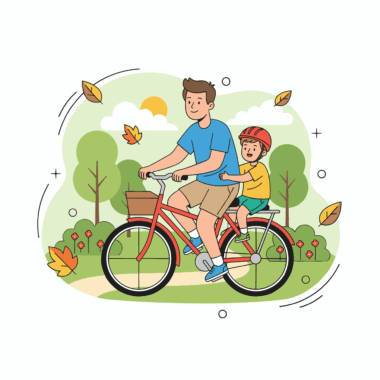
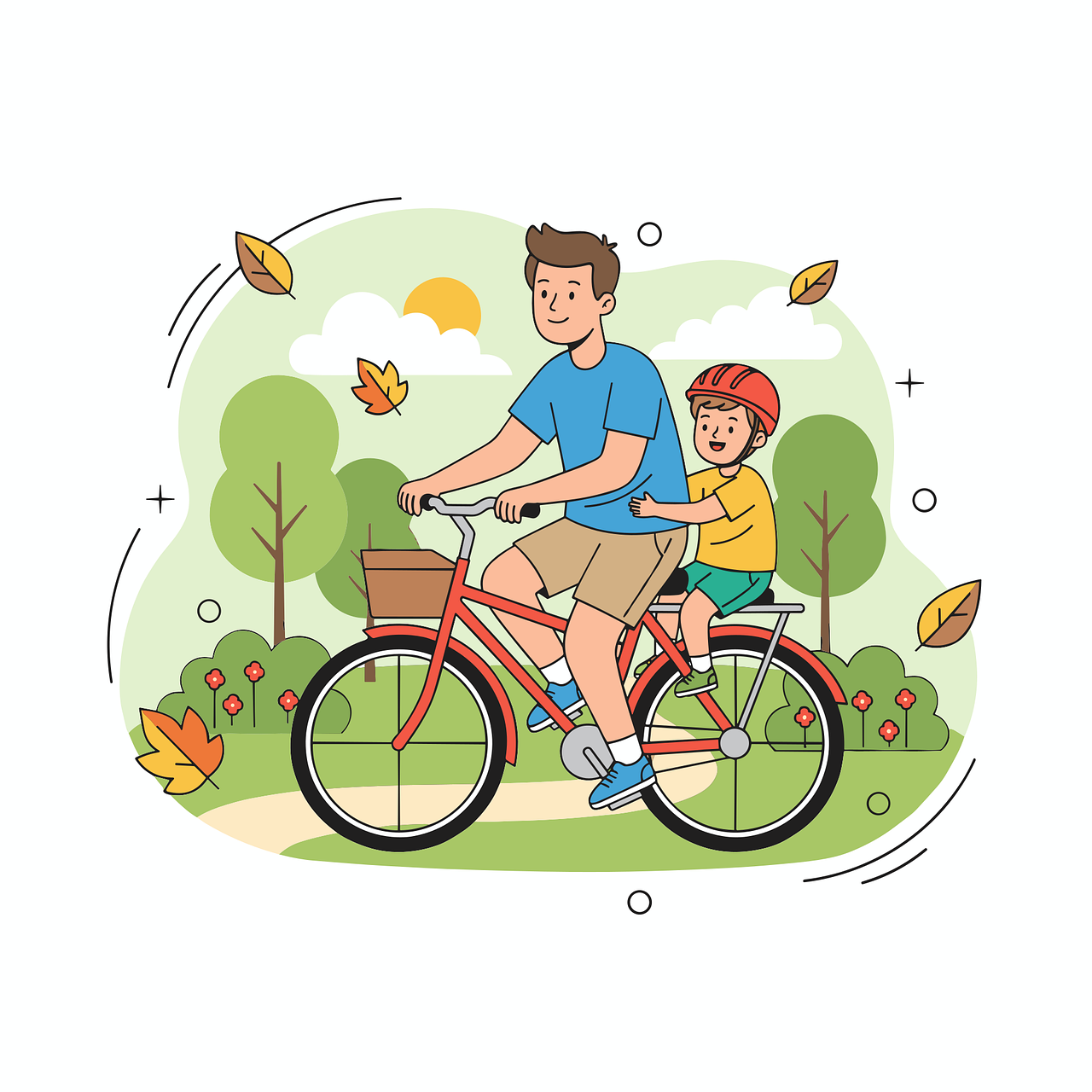
Incorporating family into your fitness routine can greatly benefit postpartum recovery. For new parents, exercise not only promotes physical health but also enhances the overall family bond. Begin by assessing your current fitness level and needs, considering how these can align with your family’s routine. Start with light exercises like walking, gentle yoga, or stretching while involving your baby. This can include baby-wearing during walks or using a stroller. Engage family members by inviting them to join you in simple activities, creating a fun and inclusive environment. Ensuring that everyone participates fosters accountability and motivation. Identify what activities your family enjoys to maintain enthusiasm, whether it’s biking or dance exercises. Plan specific times during the week dedicated to family workouts, transforming exercise into a shared adventure. Set achievable goals as a family, such as a weekly hike or a daily morning stretch session, to cultivate healthy habits. This commitment not only supports your recovery but instills important values of fitness and health in your children, establishing a strong foundation for future generations. Explore local parks and community resources for family-oriented classes or events.
Flexible Scheduling for Fitness
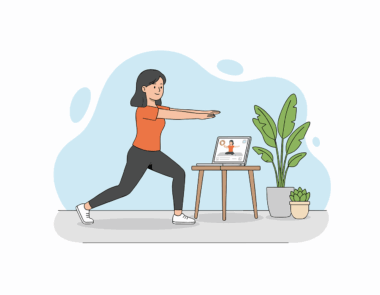
Create a workable family schedule that accommodates fitness activities. Balancing personal fitness with family time can be challenging but is crucial for long-term success. Identify peak times when everyone is free, such as early mornings or weekends. Consider segmenting your workouts into shorter segments, allowing you to incorporate fitness into busy family days. Utilize nap times or playdates to squeeze in home workouts or quick runs. This flexibility allows for consistent exercises tailored to both your and your family’s needs, creating a sustainable routine. Also, make fitness enjoyable and engaging for the whole family. For instance, include your children in your workout, turning it into game time to foster eagerness. Use fun props like balls, resistance bands, or even household items creatively that can serve as exercise aids. Reward family participation, recognizing each member’s contribution, be it through fun outings or small treats. By promoting a culture of health within the family, children learn the importance of physical activity early on. Confirm that exercise is not just a chore but a vital, enjoyable aspect of daily life. This approach enhances health awareness and builds positive relationships that thrive on mutual support.
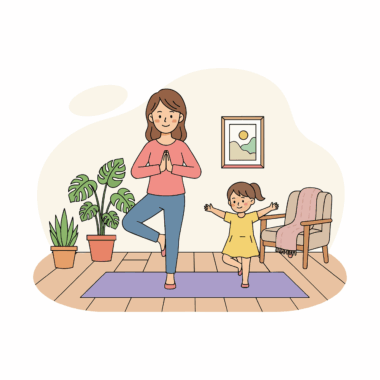
Not all postpartum journeys are the same; therefore, it’s vital to personalize fitness approaches. Individual preferences dictate what exercises feel best so take note of what resonates. Perhaps swimming offers relief after childbirth, or dancing provides motivation and joy. Make the effort to explore different activities together to discover what the whole family loves. In addition to physical benefits, creating habits around fitness serves as emotional support. Both parents can benefit from shared encouragement, planning workouts aligned with daily family tasks. Include exercises that promote bonding, like partner stretches or Pilates, with children involved in playful methods. Collaborating reinforces relationships, transforming workouts into family fun times and providing necessary interruptions to screens. Keep engagement high with varying routines and themes—try themed schedules such as sports week or dance party classes. Celebrate milestones, and encourage family members to support one another. Track achievements, and consider creating a visual chart displaying goals reached. Celebrate as a family when reaching each new level of fitness, instilling pride and unity in your shared commitment to health and wellbeing. Include feedback to adjust activities as needed, ensuring everyone remains engaged and enjoying themselves.
Outdoor Activities and Family Fun
Exploring outdoor activities allows for a team spirit while enjoying nature close by, serving both fitness and quality family time. Exercise can take forms beyond structured routines, focusing more on experiences. Consider hiking, which provides both aerobic exercise and the thrill of exploration. Plan outings to local family-friendly trails, incorporating nature exploration into your workouts. Always take safety into account, ensuring everyone wears appropriate clothing and gear that caters to outdoor adventures. Additionally, visiting parks for sports like soccer and Frisbee presents fun ways to get active as a family. Engage the children by letting them pick the activities they want to try, integrating their interests and preferences. Fitness can also intersect with hobbies; for instance, gardening is both a workout and a valuable family project. Experiment with different activities every weekend to keep the excitement alive. Organize friendly competitions, such as obstacle courses or relay races, maximizing effort while having fun. Establish a balance between competition and support, allowing for encouragement among family members to remain positive. Documenting your family’s fitness journey can additionally be a rewarding creative outlet, where milestones can be shared together.
Nutrition is pivotal in supporting postpartum fitness; thus, developing healthy eating habits is essential. Prepare meals together as a family to inspire everyone’s diet choices. Cook nutritious meals packed with proteins, whole grains, vegetables, and healthy fats essential for recovery and active lives. Assign each family member a role during meal prep, fostering teamwork and ownership. Create a weekly menu that includes easy-to-make recipes everyone loves, allowing everyone to contribute ideas. Incorporate fun themes such as Taco Tuesday or Meatless Monday to make healthy eating exciting. Learn alongside your kids by exploring new healthier recipes, broadening culinary skills while promoting adventurous eating. Implement time for family meals, creating a social environment where everyone participates in planning and eating. This helps reinforce family values around nutrition and connectedness. Additionally, maintain opportunities for teaching good nutrition choices, such as reading food labels together. Educate about the benefits of fruits, veggies, and wholesome snacks. Creating an easy-to-follow guide that details meal plans can significantly contribute to staying on track. Ultimately, educated families develop lifelong habits that empower the next generation toward healthier lifestyle choices.
Making Fitness a Family Tradition
Establishing fitness as a family tradition provides a framework for children to recognize health as a priority. Join local groups that promote physical activities catered to families, either virtually or in person. Consider family memberships to gyms offering programs designed for all ages. Working out as a family encourages accountability while building lasting memories. Set specific goals together; you might aim for a fun run or sports training sessions. Shape family activities around those goals, providing motivation for everyone. Choose events like family charity walks or community sports days that everyone can participate in, strengthening familial bonds. Staying active through friendly competition, like family tournaments, is also a great way to enhance engagement and keep everyone motivated. Celebrate not just achievements but the effort put forth through challenges, ensuring that encouragement remains a focal point. Regularly conduct family meetings to discuss fitness updates, openly sharing thoughts about what’s working or what may need adjustments. This transparency builds dialogue and helps everyone feel heard. Overall, fostering a culture of fitness through these traditions nurtures resilience and teamwork within the family, laying the groundwork for healthy lifestyles.
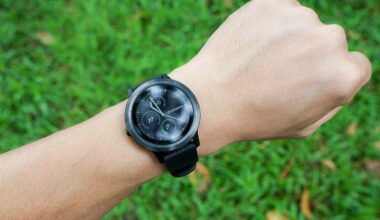
Embrace technology as a tool to aid your family fitness journey, utilizing apps and devices tailored for this purpose. Explore various mobile applications dedicated to workouts, meal tracking, or activity monitoring, allowing family members to set goals and celebrate achievements together. Devices like fitness trackers can encourage friendly competition through step challenges and monitoring workout performance. Aim for shared family goals, such as tracking collective miles walked, strengthening unity based on a shared vision. Create a health-focused digital group where you share tips, celebrate milestones, and motivate each other through fun virtual fitness challenges. This way, families can tap into each member’s strengths, learning from one another while maintaining engagement. Developing tech-savvy routines promotes the notion that fitness is not isolated but rather an integral component of family life. Designate days to reflect on family progress and review accomplishments together every month. Embrace the opportunity to learn from setbacks, creating solutions in future efforts. This encourages resilience and understanding in approaching challenges collectively. Ultimately, present fitness not merely as an obligation but as an enriching and integral part of family togetherness.