
Understanding the Role of Nuts and Seeds in the Mediterranean Diet
The Mediterranean diet is renowned for its numerous health benefits, and among its key components are nuts and seeds. These nutrient-dense foods provide essential fatty acids, vitamins, and minerals which contribute significantly to overall wellness. Nuts such as almonds, walnuts, and hazelnuts are high in monounsaturated fats, which are known to improve heart health and reduce inflammation. Furthermore, seeds like chia, flax, and sunflower seeds offer a rich source of omega-3 fatty acids, vital for brain function and optimal metabolism. The incorporation of these foods into daily meals enhances flavor and texture while boosting nutritional value. Studies have shown that regular consumption of nuts and seeds can lower cholesterol levels, stabilize blood sugar, and reduce the risk of chronic diseases. In addition to their health benefits, nuts and seeds are incredibly versatile. They can be added to salads, yogurt, and smoothies or enjoyed as a snack on their own. Thus, understanding the importance of nuts and seeds within the Mediterranean diet is essential for anyone looking to enhance their dietary patterns and improve their life quality.
Nuts and seeds, although often overlooked, are rich sources of protein and fiber, which are crucial for maintaining satiety throughout the day. Their unique combination of nutritional properties offers a compelling reason to include them in daily meals. For those following a Mediterranean diet, it’s common to find a variety of nuts such as pistachios, peanuts, and pecans, all of which bring their unique flavors and health benefits into the mix. The recommended daily serving of nuts varies, but generally, a handful a day is suggested. This amount is enough to reap their nutritional benefits without overindulging in calories. Seeds, too, should not be neglected, as they provide essential nutrients while adding delightful crunch and texture. Moreover, they can be ground into flour or sprinkled over dishes to enhance their appeal. The Mediterranean diet encourages diversity, thus incorporating a rotating selection of nuts and seeds can provide a fuller range of nutrients. Choosing unsalted and unprocessed varieties maximizes the health benefits while minimizing added sodium. This approach leads to a balanced and flavorful diet that can support long-term health and well-being.
Notably, the heart-healthy profile of nuts and seeds stems from their high levels of antioxidants, vitamins E and B, and a variety of minerals like magnesium and zinc. Antioxidants are vital in combating oxidative stress in the body, thereby protecting it from various diseases. The rich, nutty flavors of almonds and walnuts can elevate a simple dish into something extraordinary while providing nutritional benefits. The Dietary Guidelines for Americans recommend including a variety of protein sources, and nuts and seeds fit perfectly into this framework. Furthermore, research has shown their efficacy in managing weight, which is crucial for preventing obesity-related diseases. The Mediterranean diet, with its emphasis on whole foods and healthy fats, creates an environment where nuts and seeds can thrive as staple ingredients. In addition, many studies suggest a link between higher nut consumption and decreased total mortality rates. Their consumption may also contribute positively to mental health, reducing the risk of anxiety and depression, making them a delightful addition to meals any time of day.
Nutritional Benefits of Nuts
Almonds, walnuts, and pistachios are often hailed as superfoods due to their impressive nutritional profiles. All these nuts are rich in vitamin E, which aids in skin health and acts as an antioxidant. They also contain essential fatty acids that help maintain cellular structure and function. Walnuts are particularly noted for their high levels of alpha-linolenic acid (ALA), a type of omega-3 fat. Various studies suggest that regular consumption of walnuts can have a positive impact on heart health and cognitive function. Almonds are also beneficial, known for their role in lowering blood sugar and cholesterol levels due to their particular composition. Moreover, they can enhance satiety, proving quite useful for those aiming to manage their weight. The healthy fat content present in these nuts is beneficial for heart health while being a great energy source. Keeping a variety of nuts on hand encourages experimentation in cooking, leading to unique flavor profiles. Thus, incorporating a range of nuts into one’s diet adheres to the Mediterranean dietary principles, showcasing how enjoyable healthy eating can be.
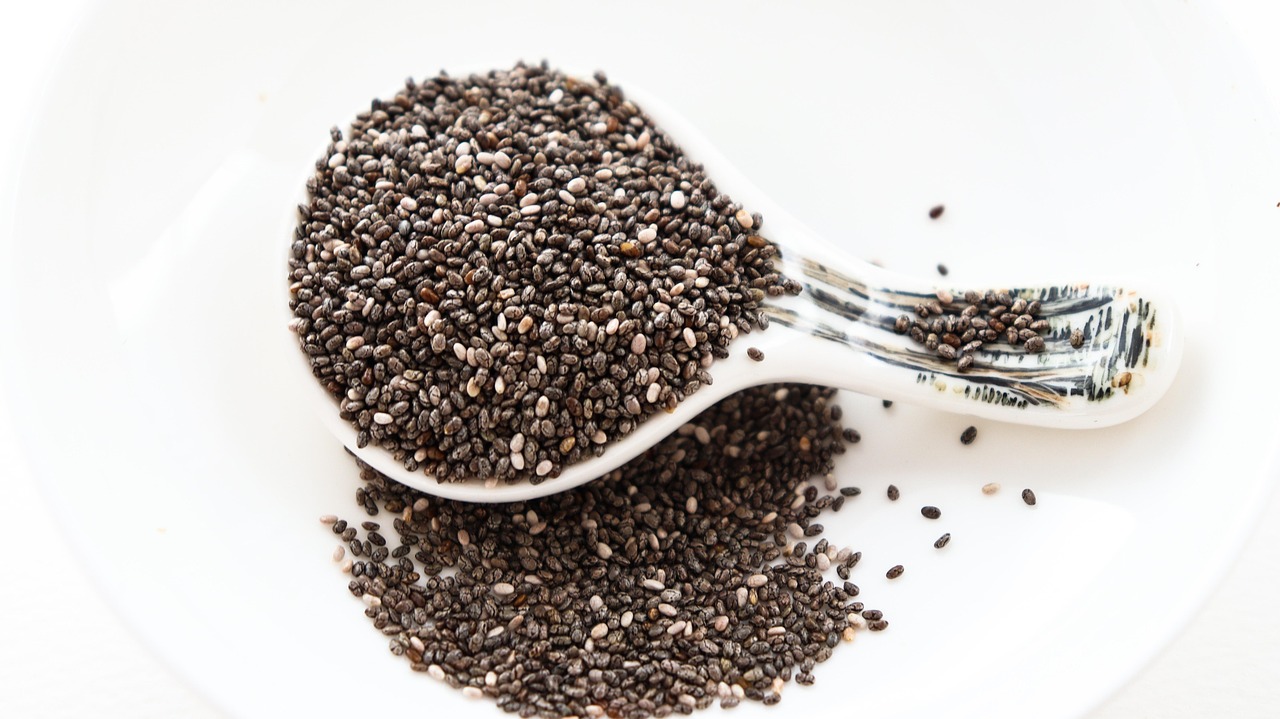
On the other hand, seeds provide unique benefits that complement those of nuts. Chia seeds, flaxseeds, and pumpkin seeds are excellent sources of omega-3 fatty acids, fiber, and protein, making them perfect for incorporating into various dishes. Chia seeds, for example, can absorb liquid and form a gel-like texture, making them a great addition to smoothies, puddings, or even baked goods. Flaxseeds are known for their antioxidant properties, promoting digestive health and reducing inflammation. Most of these seeds can be easily added to cereals, salads, or smoothies for an instant health boost. The Mediterranean diet encourages the use of seeds in several ways, whether toasted, blended, or as a topping for other foods. Incorporating seeds helps diversify the nutrition profile of meals, providing an exciting range of nutrients while improving health and well-being. Moreover, using seeds as a substitute for grains or fillers can yield lower calorie, nutrient-dense meals. This versatility in preparation techniques makes seeds valuable assets in any healthy eating plan.
When considering the environmental impact of food choices, nuts and seeds also hold an edge over many animal-based protein sources. The growing movement towards plant-based diets highlights the need for sustainable options, and nuts and seeds are integral to this shift. By substituting traditional meat with nuts and seeds in meals, one can significantly reduce their carbon footprint while maintaining adequate protein intake. Furthermore, the cultivation of nuts and seeds requires less water and land area compared to animal farming. Choosing to incorporate these foods aligns well with both health-conscious goals and ecological considerations. Furthermore, as agriculture practices evolve, the potential for improving the sustainability of nut and seed production grows. Utilizing local sources can also support community economies while promoting fresh, organic options. The Mediterranean approach encourages such sustainable practices, aligning dietary habits with a commitment to environmental health. As we seek to improve our overall health, being mindful of the ecological implications of our food choices is essential. This connection between diet and sustainability enhances understanding of the broader role that nuts and seeds play.
Conclusion
In conclusion, the role of nuts and seeds within the Mediterranean diet cannot be overstated. These nutrient-rich foods offer a plethora of health benefits while promoting dietary diversity and sustainability. Regular incorporation of nuts and seeds can lead to significant improvements in heart health, metabolic function, and overall wellness. Their versatility in the kitchen makes them easy to enjoy alongside a variety of dishes, from salads to smoothies to desserts. As more individuals adopt the Mediterranean diet, understanding the health-promoting properties of nuts and seeds becomes increasingly vital. They not only enhance flavor and texture but also add a significant nutritional boost to daily meals. Choosing local and sustainable sources for these foods can further support health efforts and advocate for ecological responsibility. In the journey towards a healthy lifestyle, the Mediterranean diet serves as a promising framework. Ultimately, embracing the diverse array of nuts and seeds enriches one’s diet and contributes to long-term health benefits. Thus, individuals are encouraged to explore the delightful and nutritious possibilities that nuts and seeds have to offer.
Health professionals recommend including a variety of nuts and seeds to achieve a well-rounded diet. This approach ensures that one benefits from the diverse nutrients found across different varieties. Furthermore, educating oneself on the specific benefits and best methods of consumption can enhance the overall benefits of the Mediterranean diet. Keeping a balanced intake and avoiding excessive amounts will help maintain positive health outcomes. Overall, with adequate knowledge and creativity in the kitchen, anyone can embrace the wonderful world of nuts and seeds, reinforcing both health and satisfaction.