
Understanding Different Types of Swim Fins and Their Uses
Swim fins, also known as flippers, are essential for enhancing performance in aquatic environments. For enthusiasts and competitive swimmers, training with swim fins/ provides significant benefits. They allow swimmers to improve their leg strength, kicking technique, and overall swimming efficiency. A variety of swim fins are available in the market, catering to different skill levels and purposes. Selecting the right type of swim fin can depend on multiple factors, including experience and training goals. Understanding these factors will help you reap the maximum benefits during swim training. There are two primary categories of swim fins: short and long. Each category serves a different purpose, assisting swimmers in various aspects of their technique. If you want to dive deeper, consider the distinctions between these varieties. Short fins, for example, promote a fast and powerful kick, enhancing your speed in the water. In contrast, long fins improve your ankle flexibility and promote a more efficient kick through increased surface area. This article explores various swim fins to unlock their potential during training and hone your swimming skills.
Types of Swim Fins
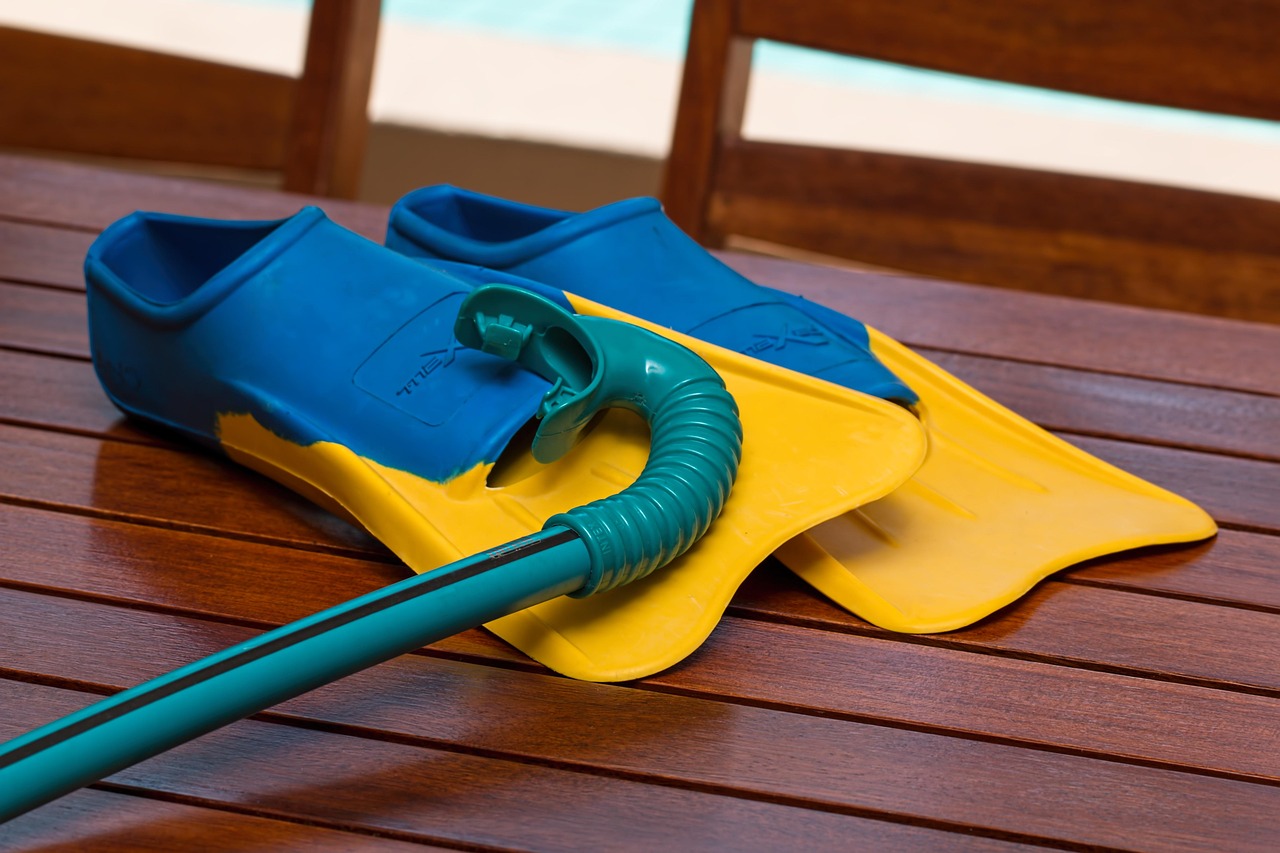
Different types of swim fins are designed with unique purposes and benefits in mind. The traditional swim fins are typically made from rubber or silicone material, providing a comfortable and snug fit. These fins are ideal for beginners, as they help establish a good kicking technique. On the other hand, training fins offer a more significant resistance in the water, helping swimmers develop strength and power in their leg muscles. If you aim to boost agility, consider using short fins that enhance your kicking speed and reduce fatigue. Additionally, there are specialized fins, like monofins, that are primarily used for underwater sports such as freediving and synchronized swimming. Monofins have a unique design leading to a more natural swimming movement, providing a fluid and dolphin-like performance. The various features of these fins, including the size, shape, and material, should be evaluated to make an optimal choice. Understanding the differences between the types will greatly benefit your proper selection, leading to improved training sessions. A quality pair of fins can be a game-changer in your swimming routine.
When training with swim fins, it’s crucial to understand underwater breathing techniques that complement your movements. Maintaining a rhythmic breathing pattern is essential for effective swim workouts. It will also allow you to appreciate the advantage of using propulsion provided by your fins. Novices often benefit from focusing on body position and proper technique while using fins. If you’re uncertain about your posture while wearing fins, it’s advisable to work with a coach or more experienced swimmer. They can provide feedback on your alignments, including head position and core engagement. Employing fins may alter the dynamics of swimming strokes, particularly in freestyle and breaststroke. It is essential to work on coordination while kicking to keep the fins as an extension of your legs. As you hone your skills, pay attention to your ankle flexibility and core stability. Proper integration of swim fins will enhance muscle memory and boost your overall efficacy in the pool. Moreover, don’t forget to stretch adequately before and after training sessions. This will ensure you avoid any potential injury associated with using swim fins.
The advantages of swim fins extend beyond performance enhancement; they also serve as a vital tool in rehabilitation strategies. For swimmers recovering from an injury, using fins can help improve leg strength with reduced strain on the joints. The buoyancy and propulsion effect from fins provide an excellent rehabilitation opportunity, enabling patients to regain strength progressively. It’s essential to identify the right exercise regimen while using fins during the recovery process. Always consult with your physician or physical therapist for proper guidelines tailored to your specific needs. Additionally, the psychological benefits of swimming with fins shouldn’t be overlooked. For many swimmers, using fins can instill a sense of confidence in the water, especially when transitioning to challenging techniques. Practicing with fins allows swimmers to explore functional strength while enjoying the experience. This enjoyment can foster a deeper commitment to training, leading to long-term benefits. Stay persistent and patient as you incorporate fins into your routine. Establishing a well-rounded regimen that focuses on all swimming dimensions, including stamina, technique, and strength, will yield positive results over time.
Key Considerations for Selecting Swim Fins
Selecting the right pair of swim fins requires careful consideration of several crucial factors. Comfort and fit should be your first priority, ensuring that the fins do not cause discomfort while swimming. Opt for fins adjustable to your foot size, as this will enhance performance during training. The material of the fins also plays an essential role. Some swimmers prefer soft fins, which offer flexibility, while others may choose stiffer options for increased resistance. Evaluate the fin’s length as well; longer fins provide more propulsion but can also create drag. Therefore, it’s vital to find a balance that complements your swim style. Additionally, consider the shape of the fin; this will affect how you interact with the water. If you’re new to swim fins, consider choosing a model that encourages a natural kick. Remember to try multiple models before purchasing. Engaging in test swims at a pool can provide first-hand experience of the fins’ abilities. Investing in the right fins may lead to continued progress towards achieving your swimming ambitions.
Another important aspect of swim fins is their maintenance. Keeping fins clean and in good condition can significantly extend their lifespan and keep them performing optimally. After training sessions, rinse your fins with fresh water to remove chlorine and salt, as these elements can degrade materials over time. Inspect your swim fins regularly for any wear or damage caused by friction. If you notice cracks or other imperfections, take the necessary steps to repair or replace them. Storing fins properly is equally vital; keep them out of direct sunlight and extreme conditions to prevent deformation. You can store them in a dry bag or ventilated area to ensure they maintain their shape. An ideal storage solution will not only protect your fins but also contribute to their longevity. Additionally, when you’re not using your fins, consider keeping them free from heavy objects to avoid any potential warping. Investing effort into maintenance ensures that your swim fins remain an asset in your training arsenal, propelling you to improved performance.
Conclusion: Maximizing Your Fins Training
To maximize the benefits of swimming with fins, it’s essential to integrate them into a well-balanced training program. Combine traditional swimming with specific fin drills to develop strength, flexibility, and technique. Explore various drills that focus on different strokes and alignments to ensure a comprehensive approach to your training. For instance, consider including kick sets that emphasize speed while utilizing your fins, as this will help enhance your overall speed in the water. Moreover, varying the intensity and duration of your fins workouts can lead to continual improvement. Rotating between short and long fins during your sessions will help provide diverse stimuli for your muscles. As with any training regimen, consistency is critical. Regularly incorporating fins into your schedule will lead to gradual progress. Remember to listen to your body, recognizing when to push further and when to take a step back to recuperate. Ultimately, the ability to adapt and adjust your training regimen built around swimming fins will enable continuous growth and success in your swimming journey.
With the aforementioned insights, swimmers can confidently explore the numerous benefits of integrating swim fins into their training sessions. Remember that the right fins can amplify performance, enhance kicking dynamics, and increase overall body coordination in the water. Whether you are a beginner or advanced swimmer, utilizing fins can provide a pathway to improvement. As you embark on this new chapter in your swimming practice, keep the usage and maintenance guidelines in mind. Prioritize comfort and fit when selecting fins to ensure a seamless experience. Furthermore, understanding different types of swim fins will allow you to make informed choices. With commitment and knowledge, swim fins can transform your training routine while reinforcing your aquatic skill set. Embrace the drive to enhance your aquatic abilities; you might find yourself enjoying swimming more than ever. Dive into a pool of possibilities with fins and discover your potential through dedicated training. It is time to ride the currents of progress, leaving no stone unturned in your quest for swimming excellence.