
Tracking Functional Fitness Performance Metrics: What to Monitor and Why
Functional fitness is a training regimen that emphasizes movements crucial for daily activities, aiming to improve overall health. Tracking performance metrics becomes essential for enthusiasts of this approach, enabling precise assessment of progress. One key metric to monitor is strength, which directly correlates with an individual’s ability to perform everyday tasks. This often includes tracking different body lifts, like squats or deadlifts. Another area involves endurance, measuring how long you can sustain a certain activity. This helps in developing stamina for both workouts and daily routines. Flexibility plays an integral role too; it enhances movement quality and reduces injury risks. Therefore, tracking one’s range of motion can reveal valuable insights. Mobility assessments can also provide insights into joint health. With advances in technology, numerous apps are available for recording these metrics. Some popular options include MyFitnessPal and Fitbit. These applications can aid users in visually interpreting their data over time, motivating them to maintain or improve their fitness journeys. Overall, the relevance of tracking functional fitness metrics cannot be overstated.
Maintaining a log of functional fitness performance metrics empowers individuals by fostering accountability. It allows fitness enthusiasts to visualize their progress, set personal goals, and achieve desired outcomes. Additionally, progression becomes evident as users observe improvements in various metrics, which can boost motivation. For instance, a person may aim to run a certain distance in less time. By logging their performance, they can review splits and analyze trends in speed. Similarly, monitoring strength metrics encourages progressive overload, a principle essential for muscle growth. This principle emphasizes gradually increasing the weights lifted in a structured manner. To broaden the understanding of functional fitness performance, it is also beneficial to include balance metrics. Balance directly impacts a person’s daily activities, especially as one ages. Weak balance can lead to injuries; tracking can prevent this. Incorporating agility drills into workouts can highlight improvements in this area. Additionally, tracking recovery metrics can guide individuals in understanding their body’s response to workouts. Apps often offer features that document sleep quality and recovery times, essential elements for optimizing performance. This comprehensive approach enriches the overall functional fitness experience, making it remarkable for devoted users.
The Role of Technology in Monitoring Metrics
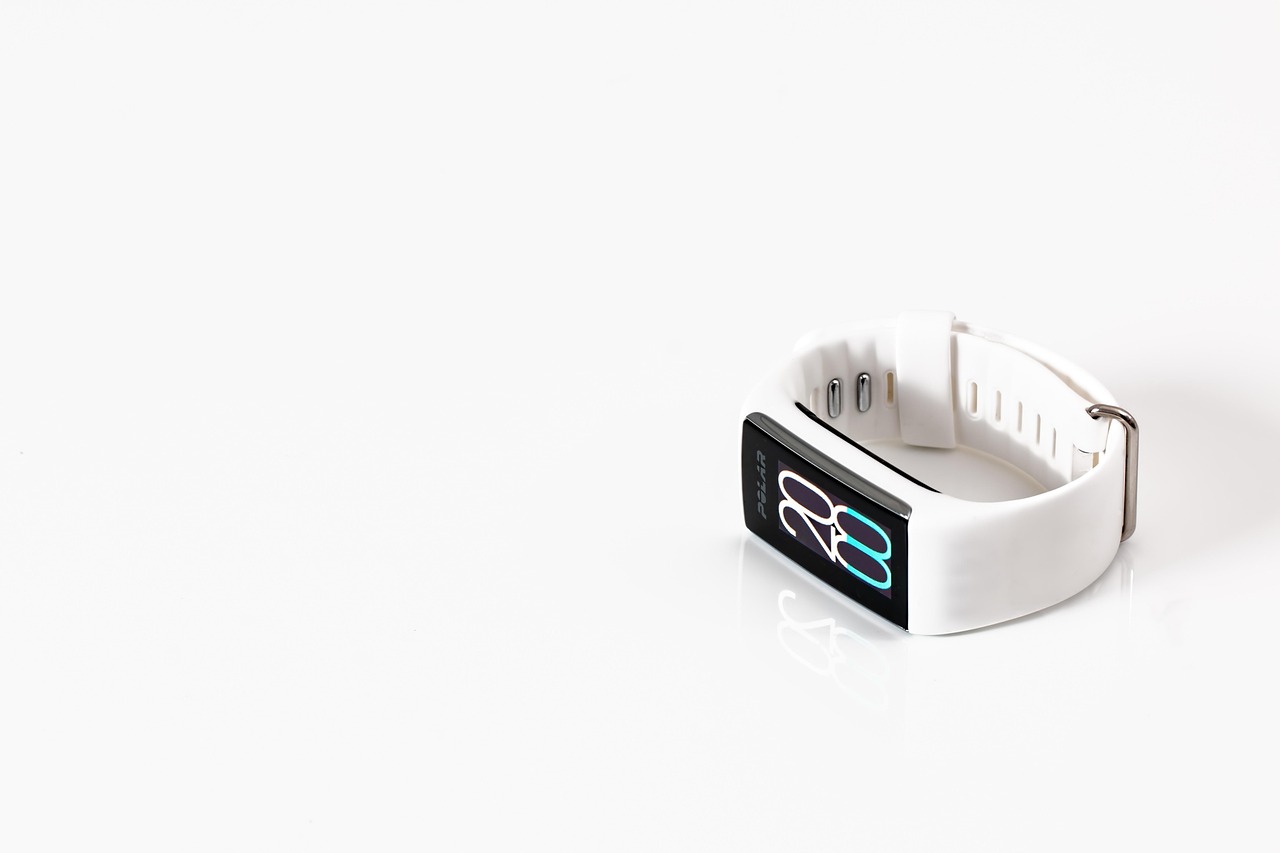
In the modern fitness landscape, technology plays a pivotal role in tracking functional fitness performance metrics. Various wearable devices like smartwatches and fitness bands collect data seamlessly. They provide real-time feedback on heart rate, activity levels, and more, enhancing user experience. This technology eliminates the guesswork associated with traditional tracking methods. Users can receive notifications regarding their performance, helping them make adjustments during workouts. Additionally, the integration of mobile applications allows users to analyze their data thoroughly after sessions. Many apps create visual representations of performance, providing insights that are easy to understand. Cloud-based platforms store data securely, making it accessible anywhere, anytime, which encourages consistency. Communities within these apps foster motivation through shared goals and challenges. Some applications even allow for personalized training plans based on user performance. Regular updates and improvements in app functionality enhance user experience and engagement over time. Moreover, technology-driven fitness platforms often include instructional videos, guiding users through proper techniques that maximize results. This feature advances the safety and efficacy of functional fitness workouts, making them more accessible and beneficial to a broader audience.
Understanding how technology impacts performance tracking is essential for maximizing its benefits. For example, cloud syncing eliminates the need for manual entry, which can be time-consuming and prone to errors. It also facilitates tracking multiple metrics simultaneously, which traditional methods may overlook. Some advanced applications allow users to connect with trainers who can provide feedback using their performance data. This personalized approach can be game-changing, especially for those new to functional fitness. One significant aspect to consider is the accuracy of the data collected. Devices vary in their precision; hence, research and selection are crucial for users. Some platforms integrate diverse metrics, providing a richer profile on fitness levels. Furthermore, the analysis features can showcase data trends over weeks or months, highlighting progress and areas needing attention. Another notable innovation is the gamification of apps, which engages users through goals, challenges, and rewards. This interactive element can revive motivation when enthusiasm wanes. In essence, technology supplements functional fitness training. It not only simplifies monitoring metrics but also crafts a user-friendly environment that encourages long-term commitment and progress.
Essential Metrics for Monitoring Progress
When tracking functional fitness performance, focusing on essential metrics is crucial for understanding progress. One primary metric is cardiovascular endurance, reflecting the efficiency of the heart and lungs. This metric reveals how well users can perform high-intensity workouts or sustain long runs. Incorporating exercises like HIIT (High-Intensity Interval Training) can significantly enhance this metric. Strength metrics encompass various elements, such as maximum lift capacity and overall muscle gain. Users can regularly track their 1RM (one-repetition maximum) for major lifts to assess progress. Additionally, functional exercises like kettlebell swings offer insights into overall strength levels while integrating core conditioning simultaneously. Flexibility and mobility assessments focus on the range of motion. This often includes movements like the overhead squat test to ensure comprehensive development. Then, balance and coordination metrics highlight functional movement quality. Exercises like single-leg deadlifts can help track improvements. Finally, recovery metrics ensure the body heals from exertion. Tracking these facets through technology aids in personalized training, helping users modify workouts according to their body’s responses. Overall, each metric serves as a cornerstone for establishing a comprehensive functional fitness journey.
Insights gathered from tracking these metrics empower users to make informed decisions in their training. For example, measuring progress in strength gives individuals a basis for adjusting their workout routines. If an individual notices a plateau in strength metrics, they might consider varying their exercises or integrating more recovery time. Focusing on endurance metrics helps determine if aerobic capacity is improving, guiding adjustments in cardio training. This kind of tailored approach enhances the likelihood of achieving personal goals while continually maintaining motivation. Knowing that data can steer one’s training often translates to greater commitment to workout plans. Monitoring flexibility and mobility prevents unnecessary injuries; insight into these areas can inform stretching routines crucial for longevity in fitness. Engagement with community features available in fitness apps can also amplify accountability. When users share goals and experiences, they often experience an enhanced sense of purpose. Tracking balance and coordination metrics not only improves performance but also aids in daily functionality, which remains paramount. Recovery insights that highlight stress levels from workouts can genuinely optimize training regimens. All these combined measurements ensure individuals thrive in functional fitness effectively.
Conclusion: The Importance of Metrics
In conclusion, monitoring performance metrics in functional fitness is invaluable, greatly enhancing both training efficacy and safety. Each metric provides unique insights that contribute to a holistic understanding of one’s physical capabilities. Emphasizing key metrics allows individuals to tailor their training to specific goals. The seamless integration of technology further simplifies the process of tracking and analyzing these metrics. A series of applications and devices enables customized experiences, fostering motivation and accountability. Users can keep informed about personal progress through visual representations and community interactions, enhancing their fitness journeys. By focusing on strength, endurance, flexibility, mobility, balance, and recovery metrics, individuals can ensure they cultivate a well-rounded fitness regimen. Ultimately, understanding functional fitness performance metrics leads to improved daily life, allowing users to engage in everyday activities with ease and confidence. Cultivating a habit of consistently tracking these metrics cultivates a culture of smart training. Therefore, adopting tech-driven solutions can provide valuable tools essential for personal growth in functional fitness. As the fitness landscape evolves, tracking capabilities will only become more advanced, promising a brighter future for fitness enthusiasts.
In this modern era, functionality and adaptability define fitness journeys effectively. Adopting habits that focus on tracking relevant metrics ultimately leads to smarter training decisions. Each metric serves as both a roadmap and an indicator of progress. This is especially true when users engage with communities that share similar goals. The synchronization of personal goals with communal aspirations creates a culture of encouragement. Furthermore, individuals can provide peer support and motivation. The importance of fitness cannot be dissipated; participating in functional training shapes personal health significantly. It is more than just workouts; it’s about enhancing functional capability in daily living. With numerous resources available, users are encouraged to explore various options, ensuring they find the technology that suits their needs. Ultimately, the journey in functional fitness is unique and personal. Yet, tracking metrics cultivates a sense of direction. Progress reflects on the mental and physical health benefits achieved through consistent efforts. Moreover, enhanced durability and resilience increase overall quality of life. By embracing the future of technology, functional fitness trainers can harness groundbreaking capabilities. This leads to optimal performance while fostering profound personal transformation in fitness endeavors.