
The Connection Between Dance Movement Therapy and Mindfulness Practices
The mind-body connection is a profound aspect of human wellness, significantly highlighted through techniques like Dance Movement Therapy (DMT). DMT capitalizes on the individual’s physical movements to evoke emotional responses, bridging the gap between mind and body. Participants engage their bodies in expressive ways, which enhances awareness of feelings and thoughts. This therapy often integrates mindfulness practices, encouraging individuals to focus on present moment experiences and sensations. As individuals dance, they cultivate self-awareness, noticing how movements influence their emotional states. Moreover, this practice allows individuals to explore complex emotions through creative expression. By merging physical movement with mindfulness, DMT facilitates a deeper connection to oneself, promoting healing and transformation. Many practitioners note that engaging the body in movement allows for emotional release and empowerment. Through dance, individuals can confront and process feelings that may be difficult to articulate verbally. Ultimately, DMT serves as a stepping stone for fostering emotional resilience and mindfulness. It invites participants to witness their thoughts and feelings without judgment, creating a safe space for exploration in both movement and mind.
To understand the synergy between DMT and mindfulness, we must first differentiate the two practices. Mindfulness is a meditative practice that fosters awareness of the present moment, often focusing on breath, thoughts, and bodily sensations. DMT, however, utilizes physical movement as a tool for expression and reflection. Together, they create a comprehensive approach to mental well-being. Individuals participating in DMT become more attuned to their bodily sensations, which enhances their mindfulness practice. This alignment cultivates an environment where emotional and physical wellness can thrive. As people engage in DMT, they are encouraged to stay present with their movements, paying attention to how those movements resonate within their bodies and minds. The process of identifying emotions and expressing them through body movement fosters a unique meditative state. It bridges the cognitive understanding of emotions with the embodiment of those feelings. Many find that this physical expression through dance makes it easier to process difficult emotions, offering relief from anxiety and stress. In essence, DMT enriches mindfulness practice, allowing individuals to incorporate movement as an essential aspect of conscious awareness.
The Therapeutic Benefits of Mindful Movement
One significant aspect of DMT is its therapeutic benefits, particularly in relation to mindfulness. Engaging in dance not only serves as a creative outlet but also promotes therapeutic healing. Mindful movement incorporates awareness and intentionality, providing individuals a chance to release pent-up emotions. As participants focus on rhythmic movements, they discover new ways to express emotions that may be trapped or difficult to articulate. The rhythm and flow of dance encourage relaxation and foster a sense of physical presence. Various studies have indicated that DMT participants report significant reductions in anxiety and depression. These effects are amplified when coupled with mindfulness principles, as they allow individuals to stay grounded in their experiences while they move. DMT promotes a sense of connection between mind and body, encouraging engagement and interaction with feelings. This allows for greater emotional clarity and aids in transforming negativity into positivity through expression. Furthermore, fostering an awareness of movement encourages individuals to explore self-identity and practice self-compassion. Overall, the therapeutic benefits of mindful movement through DMT provide a unique pathway toward emotional healing.
To maximize the benefits of DMT, structured sessions often incorporate mindfulness techniques such as breathing exercises and guided visualizations. These elements help create a safe space for participants, enhancing their sense of comfort and promoting deeper exploration within the therapy. Through deep breathing, individuals can center themselves, connecting their physical movements to their emotional experiences. Additionally, guided visuals can set intentions for what one may wish to express during the session. This intentional approach helps participants become more aware of their inner landscapes and can enhance the effectiveness of the movement. As individuals explore their feelings and emotions through dance, mindfulness helps them maintain presence and awareness throughout the experience. The synergy of these practices not only fosters emotional release but also allows for personal growth and healing. It creates an environment for self-exploration where individuals can safely confront insecurities or past traumas. The interactive and creative aspects of DMT make it an engaging modality for healing, particularly when intertwined with mindfulness practices. Entrenched in personal experiences, individuals can develop a clearer understanding of themselves and their emotional worlds.
Integrating Mindfulness in Daily Dance Practices
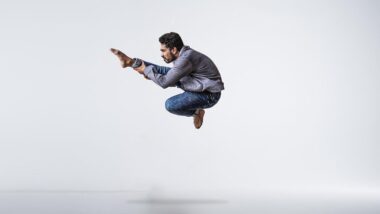
Integrating mindfulness into daily dance practices offers transformative benefits that can enhance mental health and emotional well-being. By adopting mindfulness, dancers learn to tune into their bodies and cultivate awareness of how their bodies move and feel while dancing. This practice fosters a deeper understanding of personal movement styles and encourages authentic expression. By being present during movements, dancers connect more profoundly to the rhythms and feelings that arise, leading to improved emotional regulation. Each dance session becomes an opportunity for mindfulness, allowing dancers to reflect on their current emotions and release stress. Mindful dance challenges individuals to go beyond mere physical technique, inviting them to focus on the experience of movement itself. This mindful approach in dance can enhance overall feelings of joy, connection, and embodiment. Many dancers report feeling more grounded and centered through the infusion of mindfulness. Practicing mindful dancing outside structured therapeutic settings can support ongoing personal growth. Participants become more adept at emotional recognition through their movement, fostering resilience and self-awareness in daily life. Consequently, the incorporation of mindfulness into dance is a potent pathway to healing and self-discovery.
Another significant advantage of combining DMT and mindfulness lies in the promotion of self-expression and creativity. Many individuals encounter barriers when it comes to expressing their emotions, often resorting to avoidance behaviors. DMT provides a safe avenue to confront and communicate those emotions through creative movement. As participants engage in dance, they are encouraged to let go of judgment and societal expectations, creating an authentic self-expression. Mindfulness fosters an inner dialogue that can lead to meaningful insights about one’s emotional landscape. By embracing creativity in movement, participants can channel emotions in a constructive manner, leading to catharsis and healing. Furthermore, the act of creative expression can boost self-esteem and encourage a more profound confidence in one’s body, enhancing overall mental health. Participants discover empowerment through the connection between their body and emotions. By allowing the authentic self to emerge through dance, individuals can experience profound transformations. As each live, spontaneous movement occurs, participants connect more deeply with their emotions, forming a narrative that celebrates their journey toward emotional wellness.
Conclusion: Embracing the Dance of Life
In conclusion, the interplay between Dance Movement Therapy and mindfulness practices illuminates the potential for emotional healing and self-discovery. By embracing the synergy of these modalities, individuals can cultivate a richer understanding of their emotional lives while enhancing their mental health and overall well-being. DMT provides an accessible platform for individuals to explore complex emotions through movement, allowing for a unique expression that words often fail to capture. Coupled with mindfulness, this approach invites individuals to experience their bodies and emotions fully, creating a safe space for exploration. Through mindful dance, participants can learn to honor their feelings while developing resilience and emotional awareness. This layered understanding of self leads to transformative experiences, empowering individuals to take greater control of their emotional narratives. As more people embrace the healing potential of DMT alongside mindfulness practices, the possibilities for growth and connection become limitless. Ultimately, dance becomes more than an art; it becomes a pathway to holistic healing, leading individuals to foster deeper connections with themselves and others. By embracing both practices, individuals can dance through life with purpose and clarity.
Overall, integrating Dance Movement Therapy with mindfulness practices marks a holistic approach to mental health, creating a sanctuary for emotional exploration. Participants tap into bodily awareness to better navigate their emotional landscapes, ultimately fostering resilience and healing. This combination of movement and mindfulness can serve as a therapeutic outlet, enriching lives through the art of dance. By recognizing the importance of connecting the mind and body, individuals can use these practices to enhance their emotional well-being as they embrace the dance of life.