
The Benefits of Combining Physical Exercise with Mindfulness
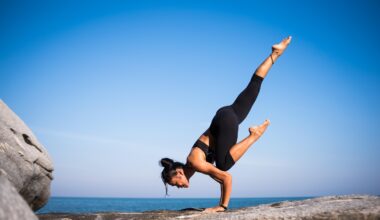
The mind-body connection is a holistic approach that enhances overall well-being. Physical exercise and mindfulness are often regarded as separate entities; however, they can significantly complement each other when integrated. Exercising while being mindful not only amplifies the benefits of both practices but also fosters a deeper understanding of oneself. This comprehensive method leads to physical strength and mental resilience. By combining these two elements, individuals can achieve a balanced state of health. A heightened awareness during activities—like yoga, tai chi, or even walking—allows practitioners to appreciate bodily sensations and emotional responses fully. The synergy of movement and mindfulness cultivates clarity of thought, enriching daily experiences. Engaging mindfully enhances emotional regulation and stress management capabilities, resulting in better life quality. Moreover, mindful movement stimulates the body’s relaxation response, diminishing the impact of stressors. Through consistent practice, individuals experience reinforced emotional well-being alongside physical improvements. Consequently, making concerted efforts to blend these techniques can lead to profound changes, enabling anyone to pursue balance and fulfillment in life. This article will explore how merging physical activity and mindfulness can vastly improve mental and emotional resilience.
Mental resilience is paramount for navigating life’s challenges. Physical exercise offers numerous benefits that help strengthen this resilience. Engaging in regular activity reduces anxiety and depression by facilitating the release of endorphins—natural mood lifters. Coupled with mindfulness, the effectiveness of physical exercise amplifies as awareness deepens. Being present in the moment during workouts allows individuals to escape from external distractions, creating a safe mental space for cultivation. Activities like meditation, running, or cycling, while being intentional, create a unique experience that enhances growth. Moreover, when individuals focus on breathwork and movement flow, they connect to their body profoundly and present dynamic awareness to their thoughts and feelings. This integration helps improve concentration, mental clarity, and adaptability when facing difficulties. Practicing mindfulness while exercising creates opportunities to reflect on one’s body. Through this reflection, awareness of tension, pain, or fatigue can lead to informed decisions regarding adjustments in practice and lifestyle. As a result, this not only fosters a sense of empowerment but also builds confidence. Incorporating physical movement and mindfulness ultimately empowers individuals with the tools they need to navigate adversity effectively.
Creating Balance Through Mind-Body Practices
Creating balance between the mind and body fosters harmony and well-being. Through combining mindfulness with physical exercise, individuals can discover an effective pathway toward achieving this balance. Engaging in mindful practices such as yoga, pilates, or meditation during exercise enhances focus and clarity. This approach allows individuals to become aware of their physical sensations and emotional states, facilitating growth. Moreover, consistent practice of this combination nurtures resilience and adaptability in various aspects of life. In challenging situations, those who regularly practice mind-body techniques often respond with enhanced composure, clarity, and resourcefulness. Integrating these practices into daily routines can be highly beneficial. Doing simple mindfulness exercises before a workout establishes a deep connection that improves performance. Likewise, post-exercise meditation allows for reflection and processing experiences. Building this kind of awareness leads to self-discovery and confidence. By regularly utilizing these techniques, individuals can cultivate emotional strength and develop strategies for dealing with setbacks. Investing time and effort into merging these disciplines can yield transformative benefits in life, inspiring a commitment to self-care and personal growth.
Mindful movement encourages a compassionate relationship with oneself. When individuals practice physical activities while maintaining focus on their body and emotions, they cultivate self-acceptance. This compassionate approach allows one to acknowledge their limitations without judgment. The mere act of moving with intention encourages gratitude towards one’s abilities and fosters awareness of progress over perfection. As self-acceptance grows, resilience strengthens. Additionally, engaging in exercise fosters a supportive community. Group fitness classes or outdoor activities nurture bonds formed by shared experiences. Mindfulness, when practiced in a community setting, enhances the benefits as individuals support one another. Social connections arising from these shared movements contribute to emotional resilience. When faced with obstacles, these support systems help individuals cope effectively. Furthermore, building relationships within these settings creates opportunities for constructive feedback and encouragement. Over time, the community’s reinforcement boosts self-esteem and confidence, amplifying positive mental health outcomes. Embracing both physical and emotional support sustainably enhances overall resilience. Participants in these activities develop camaraderie that extends beyond the gym or studio, nurturing enduring friendships and deeper connections that ultimately lead to a more balanced, fulfilling life.
Exploring Daily Mind-Body Connection Practices
Exploring daily mind-body connection practices promotes emotional and mental well-being. Throughout the day, simple mindfulness techniques can be integrated into ordinary activities, fostering awareness and connection to the present moment. For instance, becoming conscious of breathing patterns during breaks or while waiting encourages individuals to pause and reconnect with themselves. Engaging the mind in this way reduces stress levels, enhancing resilience. Moreover, regular incorporation of stretching or short movement breaks during work hours can help refresh the mind and body. These moments of self-care pave the way for improved focus and productivity. Individuals can also try mindful walking, paying attention to their surroundings and bodily sensations. This practice encourages a much-needed reprieve from everyday stressors. Creating a routine blending physical activity with mindfulness is essential. By designing an intentional practice, individuals develop self-discipline that fosters personal growth and mental strength. Additionally, journaling can serve as a reflective practice, enhancing the understanding of emotions linked to movements or physical activities. Through these myriad techniques, one can cultivate a consistent bond between the mind and body that leads to resilience and overall well-being.
Nutrition plays a critical role in enhancing the benefits gained from physical and mindful practices. Consuming a balanced diet provides essential nutrients that fuel both the body and brain. Prioritizing whole foods—fruits, vegetables, lean proteins, and healthy fats—supports physical energy levels vital for exercise. Additionally, proper nutrition fosters mental clarity and emotional stability. Staying hydrated is equally important in maintaining performance during physical activities; dehydration can reduce concentration and hinder resilience. Integrating mindful eating practices further complements the mind-body connection. By savouring each bite and reflecting on food choices, individuals cultivate a positive relationship with nutrition. This awareness allows them to make better choices aligned with personal wellness goals. Mindful eating encourages individuals to listen to their bodies and respond appropriately, leading to improved digestion and nutritional satisfaction. When combined with consistent physical exercise, these principles fuel resilience, ensuring individuals remain energized throughout daily challenges. Striving for a balanced lifestyle involves attention to nutrition as well as the intertwining of movement and mindfulness. Ultimately, optimizing both nutrition and mindful practices contributes to the overall strength needed to navigate life’s ups and downs effectively.
Conclusion: The Path to Resilience
In conclusion, the journey toward building resilience is enhanced by the powerful alliance between physical exercise and mindfulness practices. These two elements foster a profound connection that promotes overall well-being, emotional strength, and mental clarity. Engaging in regular practices brings increased awareness of one’s self, emotions, and surroundings. The benefits accumulated over time—better stress management, improved emotional regulation, and a supportive community—culminate in a resilient mindset that can navigate life’s challenges gracefully. By integrating these techniques into daily routines, individuals have the potential to unlock personal growth and healing. Moreover, embracing and valuing the journey itself cultivates appreciation for all successes and setbacks as learning opportunities. Each small step taken in this combined practice nurtures a sense of empowerment, allowing individuals to assert control over their mental and physical health. The disciplined pursuit of resilience through mind-body techniques encourages everyone to commit to this transformative path. By cultivating this ongoing relationship with oneself, it becomes possible to navigate adversity effectively and lead a fulfilling life. Ultimately, combining physical exercise with mindfulness offers a holistic approach, leading individuals toward enhanced resilience and well-being.