
Protein Supplements vs. Whole Foods After Training
After an intense workout, refueling your body is essential. The debate often centers around whether one should consume protein supplements or rely on whole foods. Protein supplements offer convenience and quick absorption, beneficial for muscle recovery. They can be an efficient way to ensure you’re meeting your daily protein requirements, especially if you’re in a rush after a workout. However, whole foods provide additional nutrients that supplements may lack. Foods such as chicken, fish, eggs, and legumes offer vitamins, minerals, and fiber that contribute to overall health. While protein powders can effectively build muscle, they can’t replicate the complete nutritional profile of whole food sources. This dual approach to post-workout nutrition can optimize recovery. Finding the right balance between both options is vital. It is essential to focus on timing; consuming protein within 30 minutes post-exercise can enhance muscle recovery. In this article, we will explore the advantages and disadvantages of using protein supplements versus whole foods after a workout. This understanding helps athletes and fitness enthusiasts make an informed decision, enhancing their training results and overall health.
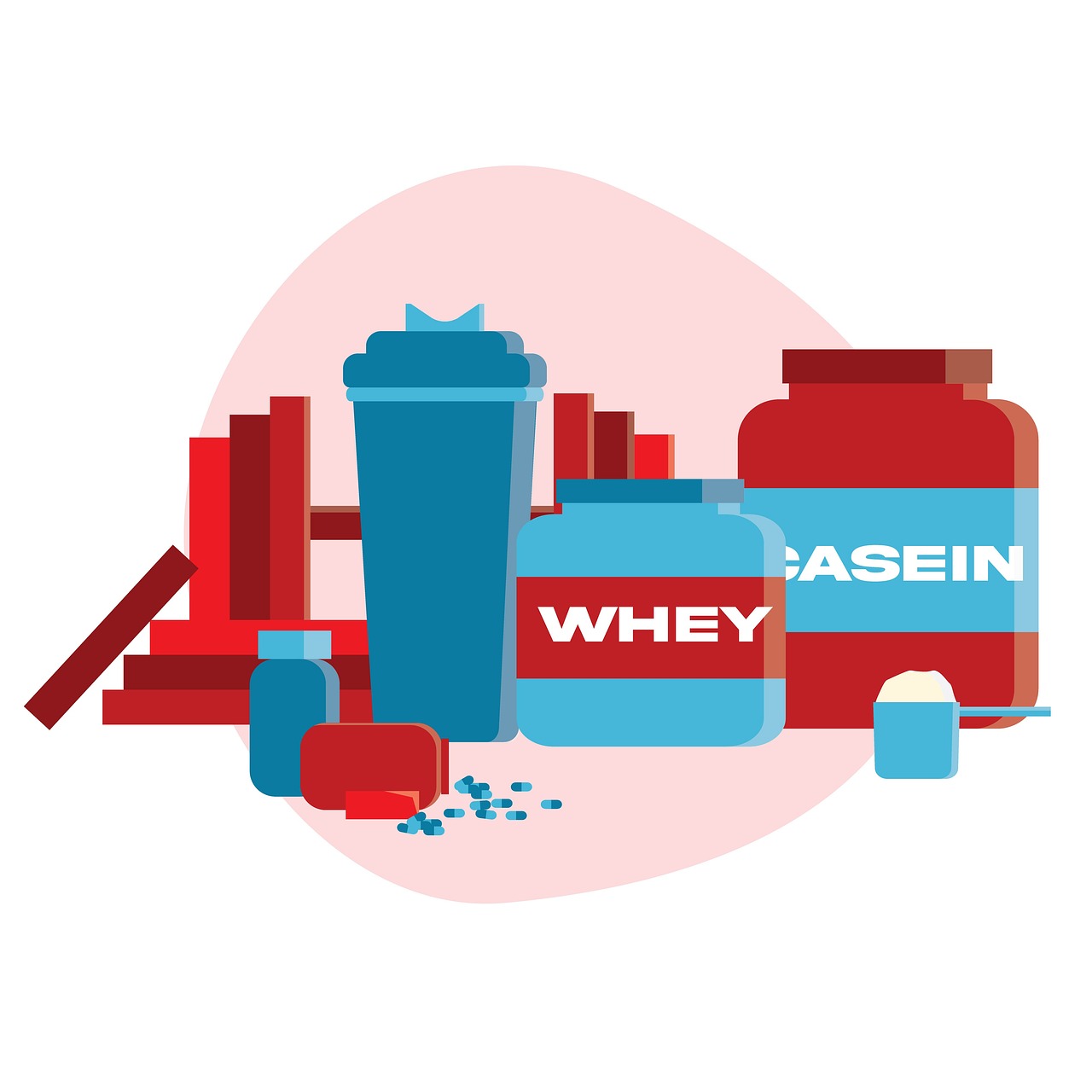
Protein quality is another consideration in the protein supplementation debate. Whole foods typically offer high-quality protein, consisting of all essential amino acids. Animal sources like beef, dairy, and eggs are complete proteins, whereas most plant sources are considered incomplete. However, combining different plant-based foods can create a complete protein profile. Protein supplements, particularly whey and casein, are also high-quality options that digest quickly, making them ideal for post-workout recovery. On the other hand, one must pay attention to the ingredient list of protein powders, as many brands add fillers, sugars, or artificial flavors. Supplements should be chosen carefully, opting for those with minimal ingredients and no harmful additives. For individuals who are lactose intolerant or prefer plant-based diets, there are many alternatives available. Options such as pea, soy, and brown rice protein are widely popular. Furthermore, dietary needs and preferences vary among individuals, necessitating personalized nutrition strategies. Ultimately, understanding one’s specific fitness goals, workout intensity, and dietary restrictions will guide the choice between protein supplements or whole foods post-exercise.
Benefits of Protein Supplements
Protein supplements boast several significant benefits, particularly for active individuals. First and foremost, their convenience is unparalleled. They allow for quick consumption post-workout, essential for recovery. This means that athletes or gym-goers can easily mix a shake rather than prepare a meal. Moreover, protein powders can justify any dietary restrictions or limitations. For instance, if someone has trouble digesting solid food post-exercise, a protein shake can effectively bypass this issue. These supplements also come in various flavors and types, catering to diverse taste preferences. Additionally, many protein supplements are fortified with vitamins, minerals, or added amino acids, further enriching their nutritional profile. This can enhance recovery time and muscle growth. Another crucial aspect is their measured intake; users can control their exact protein intake. This precision is beneficial for those tracking macronutrients for weight loss or muscle gain. Not to forget, protein supplements are an excellent addition for those who struggle to meet their daily protein intake from whole foods alone, making it easier to reach fitness goals. Yet, it is important to know when to rely on these supplements effectively.
Despite the benefits of protein supplements, whole foods offer unique advantages that supplements cannot replicate. Whole foods integrate a broader range of nutrients that play essential roles in recovery and overall health. Foods rich in protein also contain fats, carbohydrates, and micronutrients that are crucial for energy replenishment. For example, incorporating whole foods like quinoa or broccoli provides not only protein but also fiber, healthy fats, and various vitamins. The digestion process of whole foods takes longer, which can be beneficial for sustained energy. This slow-digesting nature keeps you feeling fuller longer, helping prevent unnecessary snacking later in the day. Additionally, whole foods support better satiety and promote healthy eating habits. The flavors in whole foods can enhance not just the physical experience of eating but can also nurture mental health through comfort and familiarity. Further, cooking can be therapeutic, leading to better emotional well-being. While protein supplements have their place, leaning exclusively on them can lead to imbalances and deficiencies in other essential nutrients. Thus, it’s crucial for individuals to evaluate their habits carefully while considering both choices.
Cost and Accessibility
When choosing protein sources, factors like cost and accessibility significantly influence decisions. Protein supplements can vary widely in price, with premium brands often priced higher due to the quality of ingredients and added value. Substituting whole foods might prove more economical, as they can provide larger quantities of protein for a similar investment. Items like chicken breast, beans, or eggs often yield more protein per dollar spent when compared to protein powders. However, basics such as bulk dry beans or lentils remain affordable protein sources. Accessibility plays a big role, where supplements are often readily available at local grocery stores and online platforms, making them convenient for quick and on-the-go nutrition. On the flip side, certain whole foods may require more effort to source, especially if you’re seeking organic or locally produced items. Ultimately, it boils down to personal preference, dietary habits, and budget. For some, saving money while enjoying whole food meals may outweigh the convenience of protein supplements. Finding local farmers’ markets can also provide fresh foods and support the local economy while offering fantastic protein options that integrates with a fitness routine.
The ideal post-workout nutrition combines protein intake timing, quality, and quantity. Fitness enthusiasts must consider their goals – whether building muscle or losing weight. Protein intake is just one component of post-workout recovery, which involves rehydration and replenishing lost carbohydrates and calories. Individuals working on muscle gain often need to prioritize protein on their plates; however, those in calorie deficit should ensure their diet is balanced rather than overly focused on protein. This might mean integrating carbs and healthy fats as well. Therefore, a versatile approach unlocks potential benefits. Meal planning can help triage protein sources before and after workouts, accommodating both supplements and whole foods. Tracking macros through apps or journals assists in decision-making processes. Being adaptable allows athletes to choose supplements when convenience is needed while also enjoying whole foods when time permits. In conclusion, both protein supplements and whole foods offer unique strengths. Selecting the right approach might be key to post-workout success, leading to optimal recovery and performance improvements.
Final Thoughts
In summary, both protein supplements and whole foods have distinct pros and cons, proving beneficial in different scenarios. Understanding one’s individual needs is pivotal. Supplements can offer convenience, easily fitting into a busy lifestyle while ensuring protein needs are met. Alternatively, whole food sources promote not only a protein-rich diet but also contribute to broader nutrition. The ultimate choice often comes down to personal circumstances, such as dietary preferences, budget considerations, and environmental factors. Thus, it’s essential to ensure the right balance is struck between both types of protein sources for optimal results. Mixing and matching protein supplements with whole foods can help light the way towards a well-rounded diet. No single approach is superior; rather, finding a harmonious integration of both options can provide the best of both worlds, allowing individuals to enhance their fitness journeys considerably. To maximize benefits, intermittent check-ins on dietary practices ensure they align with fitness goals. Tailoring post-workout nutrition directly influences performance outcomes, highlighting the significance of smart eating based on personal preferences and fitness requirements.