
Incorporating Mindfulness into Kids’ Fitness Challenges
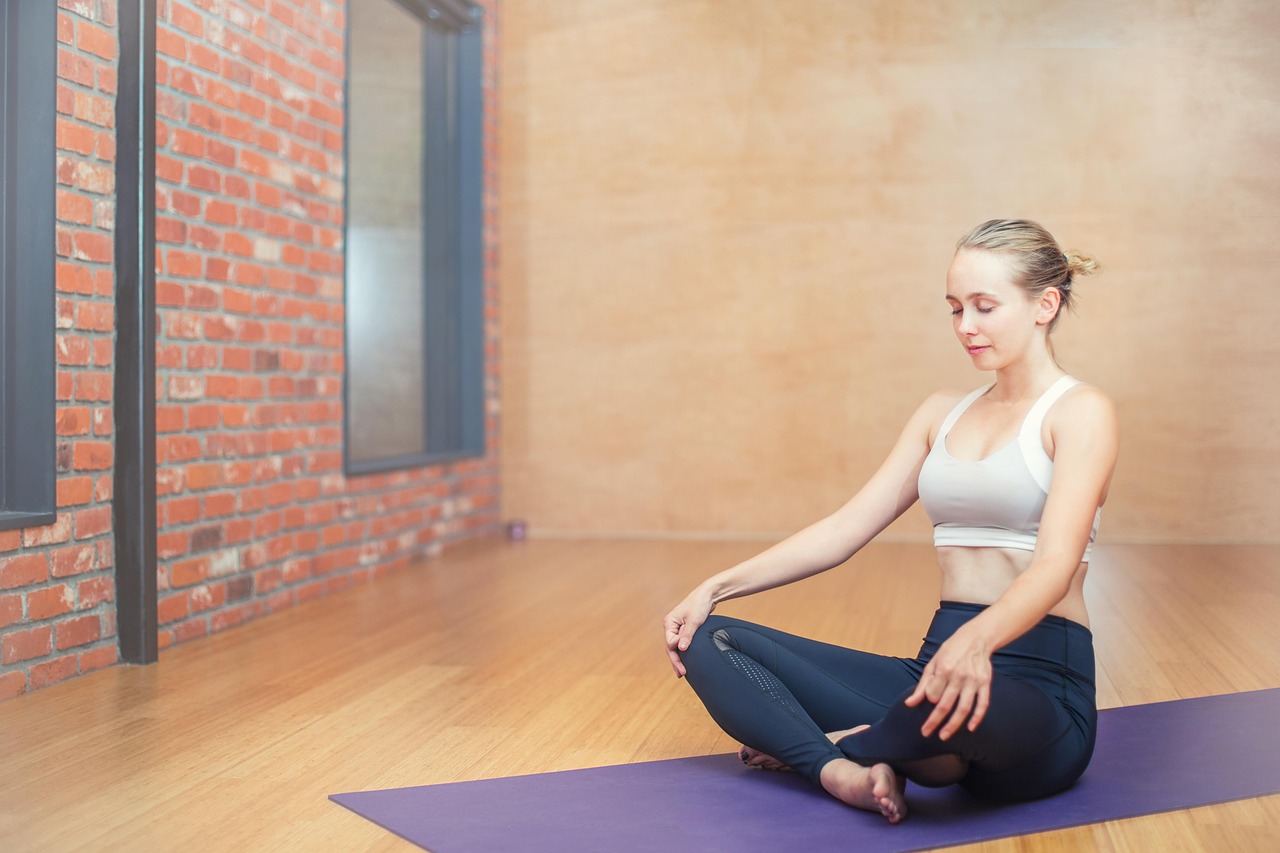
In today’s rapidly changing world, fostering holistic development in children is crucial. Incorporating mindfulness into fitness challenges can greatly enhance the health benefits for kids. By integrating mental and physical practices, children can learn to manage their stress, increase their self-awareness, and boost their overall well-being. Mindful movement activities can include yoga, tai chi, and other mindful exercises. These activities help children cultivate focus and calmness while simultaneously enhancing their physical fitness. To successfully promote mindfulness, use simple techniques to keep sessions engaging. Activities can begin with short meditation sessions or breathing exercises, gradually introducing physical challenges that require focus, like obstacle courses or dance routines. Adding collaborative team challenges fosters connection and encourages supportive interactions among peers, emphasizing the importance of teamwork in fitness. Additionally, using positive affirmations can motivate children to push themselves further and appreciate their bodies. Setting goals and celebrating achievements, irrespective of size, reinforces their sense of accomplishment. By merging mindfulness with fitness, children learn valuable lessons on balancing competitive spirit with self-care, leading to healthier habits that last a lifetime. This encourages them to view fitness from a holistic perspective, making exercise enjoyable and mindful.
Mindfulness practices can be effectively embedded in various outdoor activities. For instance, nature walks can seamlessly integrate fitness and mindfulness. During walks, encourage children to observe their surroundings, notice the textures, colors, and sounds that they encounter. Discussing these observations enhances their sensory awareness and appreciation for nature. Organizing fitness challenges in parks or backyards allows kids to participate in relay races, climbing sessions, or team-based sports while practicing mindfulness. Introduce simple breathing exercises before starting the activities to help children focus their energy. Explain how being present improves their performance and enjoyment. Mindfulness can also be taught through creative movements such as dance or martial arts. Integrating music or rhythms can enhance motor skills while simultaneously improving mental focus. By providing a structured environment, children learn essential life skills, including emotional regulation and resilience. Pairing mindfulness practices with physical fitness can significantly reduce anxiety and improve concentration levels. This balanced approach instills a sense of inner peace, resulting in a more engaged and motivated child. Thus, applying mindfulness in various fitness challenges will contribute positively to overall childhood health and wellness.
Mindful Eating: A Key Component
Incorporating mindfulness isn’t limited to physical activities; mindful eating is equally important. Teaching children to be conscious of their eating habits fosters a healthy relationship with food. Start by discussing the importance of noticing hunger cues and choosing foods that nourish their bodies. Encourage children to engage in their meals through sensory awareness—notice the colors, textures, and smells of different foods. Create a relaxed atmosphere during mealtimes to promote mindfulness. Involve them in meal preparation and highlight the benefits of fresh ingredients. Incorporating fitness challenges that require energy boosts will help children make informed dietary choices. Include educational segments on nutrition within the fitness challenges. For instance, after a physical session, children can come together for a healthy snack. Discuss why certain foods are beneficial for recovery and energy replenishment. You might organize themed meals following a successful fitness challenge, allowing children to showcase their favorite healthy dishes. This encourages flexibility and creativity in their food choices. Ultimately, embedding mindful eating into fitness activities helps instill lifelong habits. Encouraging children to cherish their foods will promote balance and well-being.
Technology can play a pivotal role in promoting mindfulness in fitness challenges for kids. Harnessing apps focused on meditation, yoga, or various wellness techniques can introduce guided mindful practices. These applications can engage children with gamified challenges, earning rewards for mindfulness and fitness achievements. Augmenting them with visual aids or interactive content makes mindfulness more accessible and exciting. Encourage them to participate with friends or family for accountability, fostering communal motivation. Regularly scheduled mindfulness sessions via apps integrate seamlessly into ongoing fitness programs. Educators and parents can facilitate discussions on the benefits of using technology mindfully, addressing screen time concerns. Create balance by ensuring that technology complements, rather than distracts from, physical activities. Structured programs can also include journaling, where children reflect on their experiences, track progress, and set goals. Sharing these reflections can nourish a supportive community among participants. Workshops featuring mindfulness techniques can create greater awareness of the subject matter and improve overall participation. Over time, utilizing tech can cultivate an informed mindset toward everyday life challenges, including exercise and mindfulness, resulting in healthier youth. Therefore, the right balance between technology and hands-on experiences is crucial.
Engaging Families in Mindfulness
Involving families in mindfulness-based fitness challenges can amplify the impact on children. Family-oriented programs foster stronger bonds while promoting health and well-being. These activities can include yoga nights, outdoor challenge weekends, or cooking healthy meals together. Create opportunities for family participation, which can help reinforce positive behaviors and develop supportive habits at home. Organizing competitions encourages friendly rivalry, emphasizing collaboration over judgment. Ensure these events are fun and inclusive, accommodating various fitness levels. Host workshops illustrating mindfulness tools that families can incorporate into daily routines, such as breathing techniques and mindful practices. This collaboration promotes teamwork, drives motivation, and encourages families to learn together. Participants can share their fitness journey through storytelling, journaling, or discussions post-activity. Highlighting shared achievements creates lasting memories while reinforcing success as a family. Social media can help document challenges while inviting others to join, creating a larger mindfulness community. Families who practice mindfulness together tend to showcase improved communication and emotional bonds. Through such initiatives, the idea of fitness evolves into a holistic family endeavor that enriches children’s lives with lasting impacts and overall health.
Finally, evaluating the success of mindfulness in kids’ fitness challenges is essential. Implement feedback sessions to understand what resonates with children and families. Discussion platforms can include surveys or group conversations following activities, allowing participants to share their insights and feelings. Collect data on children’s engagement, emotional responses, and overall satisfaction as a measure of mindfulness efficacy. Tracking progress informs refinements and shows positive developments in their mental and physical states. Recognize significant accomplishments, both personal and team-based, cultivating motivation and excitement for continued participation. The adaptability of mindfulness and fitness challenges fosters eco-friendly practices such as recycling event materials. Encourage children to express their preferences towards activities they find most enjoyable or beneficial. This openness leads to improvements and further incorporate mindfulness aspects as new challenges roll out. Ultimately, the feedback provides actionable insights to foster growth in future fitness journeys. Incorporating mindfulness in kids’ fitness challenges influences not just their physical health but also nurtures their social-emotional development. Thus, creating a supportive atmosphere, enhanced by understanding, ensures children can thrive while pursuing fitness.
Long-Term Benefits of Mindfulness in Fitness
Incorporating mindfulness into kids’ fitness challenges results in numerous long-term benefits. Children who practice mindfulness often develop resilience, helping them face challenges with a positive attitude. This outlook can significantly influence their mental health, equipping them with tools to manage stress effectively. By fostering self-awareness, kids learn to identify their emotions, leading to better emotional regulation and social skills. Furthermore, these youngsters can communicate more effectively, improving their relationships with peers and teachers. Healthy habits formed through mindful fitness encourage children to prioritize regular exercise. Structured mindfulness practices reinforce the understanding that fitness is a lifelong journey, capable of adapting as they grow. These children tend to appreciate the importance of physical health and its correlation with a balanced lifestyle. Enhanced performance in sports not only boosts self-esteem but fosters a sense of belonging in community or school teams. Integrating mindfulness into fitness encourages holistic development—supporting physical, emotional, and social well-being. The cumulative effects lead to happier, healthier children prepared for future challenges while maintaining a positive outlook on life. Ultimately, fostering mindfulness in fitness is a long-term investment in children’s well-being.
To summarize, incorporating mindfulness into kids’ fitness challenges creates a richer experience that benefits children in multiple ways. By understanding the impact of mindfulness on physical, emotional, and social well-being, parents, educators, and community leaders can cultivate programs fostering a healthier lifestyle. Creative and engaging fitness challenges that implement mindfulness encourage self-regulation and emotional intelligence for our youth. Moreover, involving families strengthens those initiatives, deepening bonds through shared activities. Regular participation leads to lifelong habits, shaping children into compassionate, aware individuals. Feedback and evaluations will further refine the challenges to suit diverse needs and interests. Emphasizing mindfulness in fitness equips children for a future with resilience and awareness in confronting obstacles. It allows them to approach fitness not just as an activity but as a holistic journey enhancing their quality of life. The connection between physical fitness and mindfulness transcends superficial benefits, ultimately enriching children’s lives through shared experiences. As we continue to explore innovative approaches in fitness, these insights promote a balanced approach towards nurturing healthy, mindful future generations. Together, let’s foster environments that inspire our children to thrive and enjoy healthy living for years ahead.