
Adaptive Fitness: Wheelchair Workouts for Weight Loss
Physical fitness is essential for everyone, including individuals who use wheelchairs. In fact, adaptive fitness programs can enhance overall health significantly. Engaging in wheelchair workouts not only promotes weight loss but also improves strength and flexibility. Having a well-structured plan tailored to accommodate mobility challenges enables individuals to stay active. Workouts can be customized based on personal fitness levels, providing a safe yet effective way to exercise. When starting any workout routine, it’s essential to consult a healthcare professional. They can offer valuable insights, ensuring that any program increases mobility without causing injury. This personalized approach makes workouts enjoyable and sustainable over time. Remember, consistency is critical in achieving weight loss goals. Furthermore, involving friends or family can add motivation and fun to workouts. Consider creating a workout schedule that both challenges and excites you. Adapting exercises to fit your individual needs provides the best results. Strategies may include resistance training, cardiovascular workouts, and flexibility exercises designed expressly for wheelchair users. Overall, this journey can lead to enhanced physical well-being, mental clarity, and a supportive community. Embrace the power of adaptive fitness for a healthier future.
The Benefits of Wheelchair Workouts
Engaging in specialized exercises tailored for wheelchair users offers numerous benefits. First, wheelchair workouts help build muscle strength and endurance, particularly in the upper body. This can enhance overall functionality and daily activities. Second, such workouts can facilitate significant weight loss, improving metabolic health and energy levels. Regular physical activity can directly impact cardiovascular health, reducing risks associated with heart disease. Moreover, these exercises can boost mental health by alleviating symptoms of stress and anxiety. Regular workouts release endorphins, the body’s natural mood elevators, leading to increased feelings of happiness. Additionally, social interaction during exercise sessions can foster connections with peers, creating lasting friendships. Forming a supportive community enhances motivation and accountability, vital for sticking to fitness goals. Wheelchair workouts can also improve coordination and flexibility, further increasing independence in daily life. Importantly, adaptive fitness programs can help individuals reclaim their confidence and self-worth. Learning new skills through exercise can reinforce capabilities and push boundaries. Overall, the benefits far exceed mere physical improvements, leading to holistic wellness. A well-rounded workout regimen has the potential to change lives, fostering resilience and empowerment for all participants.
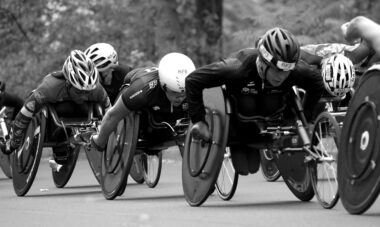
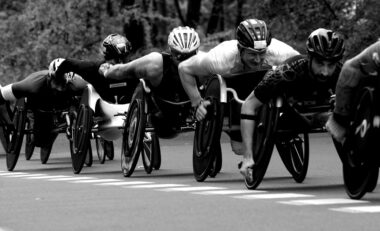
To begin your wheelchair workout journey, it is crucial to set realistic and achievable goals. Start by determining your personal fitness levels and areas needing improvement. This assessment ensures that you create a balanced and effective routine. Focus on incorporating various exercises targeting different body parts. For instance, integrate strength training, cardiovascular exercises, and stretching sessions. Resistance bands and weights can enhance strength training, building muscle efficiently. Cardiovascular activities such as wheelchair racing significantly boost heart health while also aiding weight loss. Stretching maintains flexibility and aids in recovery, ensuring your body remains mobile. Regular adjustments to your routine help prevent boredom and maintain engagement. This dynamic approach encourages ongoing progress while addressing individual fitness needs. Document your workouts in a journal to track improvements easily, providing valuable insight into personal growth. Pairing workouts with healthy eating habits amplifies weight loss results. Consider consulting a nutritionist to develop a plan that supports your fitness routine. Balanced meals rich in nutrients supply the energy needed for effective workouts. Remember, hydration plays an essential role in any fitness journey, so drink plenty of water before, during, and after exercises. Staying well-hydrated helps optimize performance and recovery.
Effective Exercises for Weight Loss
Several effective exercises can make a significant difference in weight loss for wheelchair users. One great example includes upper body resistance training using weight sets or resistance bands. Focus on exercises such as arm curls, tricep extensions, and shoulder presses to build strength. Engaging your core muscles through seated twists can improve stability and support weight loss. Next, consider implementing cardiovascular activities like wheelchair sprints or circuit training. These high-intensity exercises elevate heart rates and encourage fat burning. Incorporating interval training by alternating between high and low-intensity activities significantly boosts calories burned. Additionally, seated aerobics can enhance cardiovascular fitness while being fun and engaging. Look for online classes that focus on wheelchair users to find diverse and enjoyable routines. Be sure to incorporate movements that enhance flexibility and balance, such as modified yoga or Pilates sessions. These exercises improve coordination while also promoting relaxation. Group fitness classes specifically designed for wheelchair users offer excellent opportunities to socialize while improving fitness levels. Lastly, consider including outdoor activities, such as going for nature walks in adaptive wheelchairs. Enjoying fresh air adds motivation and connects physical fitness with nature.
Finding the right resources and tools is crucial for a successful adaptive fitness journey. Utilize online platforms that offer specialized fitness programs designed for wheelchair users. Websites and YouTube channels have a variety of exercises specifically tailored to different fitness levels. Joining local support groups can also provide valuable connections with others on similar journeys. Engaging with experienced fitness trainers skilled in adaptive workouts can guide effective practice towards achieving goals. Many fitness centers now offer programs for individuals with disabilities, creating inclusive environments. These centers may provide access to fitness equipment designed for wheelchair users, maximizing workout potential. Assessing accessibility and convenience is essential, as well. Find workout spaces that cater to individual needs and allow for a comfortable fitness experience. Additionally, investing in quality adaptive workout equipment enhances overall performance. Items such as weight vests or resistance bands can prove effective. Maintaining a positive mindset is vital, as frustrations may occur along the way. Focus on celebrating small victories to maintain motivation and recognize progress. Stay connected with friends or family for encouragement and support. This network holds you accountable while facilitating consistent efforts for weight loss success.
Creating a Motivating Environment
A motivating workout environment significantly impacts commitment and success in adaptive fitness. Setting up a designated workout space at home fosters a positive atmosphere conducive to exercise. Ensure this area is free of distractions and equipped with necessary tools and resources. Create a visually appealing environment, utilizing motivational quotes and pictures that inspire dedication. Surrounding yourself with positivity promotes motivation and focus during workouts. Moreover, scheduling regular workout sessions creates structure and reinforces accountability. Treat these appointments as non-negotiable commitments, prioritizing your well-being. Additionally, utilizing goal-setting strategies can keep you focused on achieving desired outcomes. Break down larger goals into manageable milestones to track your progress effectively. Consider rewarding yourself upon reaching specific goals to celebrate achievements. Engaging in group workouts can build camaraderie and foster motivation. Finding local workout buddies or joining online classes can make exercise more enjoyable and social. Together, the shared experiences create an inherent level of accountability. Cheer each other on, share challenges, and celebrate successes together. This supportive environment enhances overall enjoyment and effectiveness of workouts, creating lasting changes in lifestyle. Embrace empathy and encouragement as part of every workout experience.
As you navigate your adaptive fitness journey, it’s essential to remain patient and resilient. Weight loss does not occur overnight; it requires consistent effort, time, and dedication. Expect ups and downs along the way—recognizing that setbacks are normal. Reflect on challenges and use them as learning opportunities to further develop your process. Developing a personal mantra could help maintain motivation throughout this journey. Positive affirmations, such as “I am strong and capable,” can empower you during challenging moments. Celebrate progress, no matter how small. Each achievement serves as a reminder of your hard work and dedication. Consistency breeds results, contributing to long-term success in weight loss and overall wellness. Seek inspiration from others who have successfully navigated similar paths. Reading stories or watching motivating interviews can help keep your spirits high and your focus sharp. Engaging with others’ experiences can reinforce that you are not alone in this journey. Always remember to advocate for yourself, seeking help or adjustments when necessary. Overall, maintaining a positive outlook and cultivating a belief in the process will lead to remarkable transformations in health and fitness.