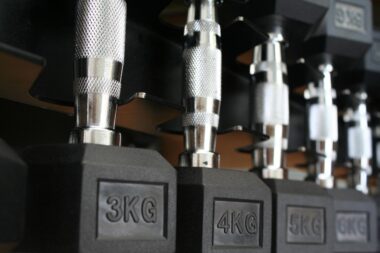

Strength Training vs. Cardio: What You Need to Know
Strength training and cardio are two essential components of a well-rounded fitness regimen. Both have unique benefits and serve different purposes in overall health and fitness. For instance, strength training focuses on building muscle mass and strength, leading to improved metabolism and enhancing fat loss. Cardio, on the other hand, primarily aims at improving cardiovascular health, increasing endurance, and helping in weight reduction. Notably, many people wonder which type of exercise they should prioritize. It largely depends on individual goals, personal preferences, and physical condition. Cross-training, which incorporates both styles, can be an effective strategy to enhance overall fitness. It maximizes calorie burn while ensuring muscle development and cardiovascular health both receive ample attention. As you progress, varying your workout routine can keep you engaged and avoid plateaus. Incorporating different modalities may also lead to better results in terms of strength and endurance. To help you make an informed decision, it’s essential to understand the potential benefits of each method, along with suitable recommendations to follow for a balanced approach to fitness.
The benefits of strength training extend beyond mere aesthetics. Engaging in regular weightlifting can improve bone density, which reduces the risk of osteoporosis. Moreover, it can aid in preventing injuries by strengthening connective tissues like tendons, ligaments, and muscles. For the elderly, strength training is particularly important as it helps to maintain mobility and independence. Furthermore, developing stronger muscles translates into better performance in everyday activities, such as climbing stairs, lifting heavy objects, and even walking. Beyond physical improvements, strength training promotes psychological benefits, including increased confidence levels and improved mood. The mental resilience gained from pursuing strength training can help combat symptoms of anxiety and depression. Additionally, it is shown to foster discipline and consistency, key traits that can benefit other areas of life. While starting a strength training regimen may seem daunting, it’s vital to focus on gradual progression and proper technique to minimize injury risk. Ensure that you familiarize yourself with fundamental lifts and movements, and consider working with a personal trainer to develop a safe and effective program tailored to your needs.
The Role of Cardio in Fitness
Cardiovascular exercises, such as running, cycling, swimming, and group fitness classes, are vital for improving heart health. Evidence suggests that aerobic workouts can help lower blood pressure, cholesterol levels, and improve circulation. Engaging in regular cardio can lead to significant reductions in chronic disease risk, such as heart attacks, strokes, and diabetes. It also serves as an effective way to burn calories, which can facilitate weight loss or maintenance when paired with proper nutrition. Beyond physical health, cardio workouts provide enjoyment and an opportunity for social interaction through group classes or sports teams. This can create a sense of community and accountability, encouraging continual participation. Additionally, intervals, where you alternate between high and moderate intensities, are particularly effective for maximizing cardiovascular benefits and improving metabolism. The versatility of cardio means that individuals can find an enjoyable form of exercise that keeps them motivated. Whether it’s brisk walking, cycling, or dancing, consistency is the key to reaping the health advantages. To enhance your workouts, consider incorporating different cardiovascular methods to keep things fresh and exciting for sustainable cardiovascular success.
Combining strength training and cardio can yield impressive results if done correctly. For those looking to enhance their overall fitness, a balanced approach can help integrate the strengths of each method. For example, performing strength workouts two to three times per week alongside three to four cardio sessions can result in a comprehensive fitness plan. This integration allows individuals to build lean muscle while simultaneously improving endurance and overall cardiovascular function. Additionally, you could schedule your workouts in a way that facilitates recovery while maintaining consistency. For some people, this might mean alternating between strength and cardio sessions, while others may prefer to dedicate specific days to each type. It’s crucial to listen to your body and allow for adequate recovery to avoid fatigue or injury. As you progress, focus on maintaining the proper intensity level and varied routines to keep engagement high. Nutrition also plays a vital role in supporting this integrated approach. Proper nutrient timing and sufficient energy intake ensure that the body has the necessary fuel to perform effectively across all exercise modalities.
Setting Your Fitness Goals
Establishing clear and realistic fitness goals is essential for success in both strength training and cardiovascular exercises. These goals should be specific, measurable, attainable, relevant, and time-bound (SMART). For example, a person might set a goal to deadlift 200 pounds within three months or run a 5k in under thirty minutes. Identifying your specific objectives will help guide your training program and keep you motivated. Regularly revisiting these goals allows for adjustments based on progress, making it easier to stay focused and committed. As you make strides towards your objectives, celebrating small victories along the way can boost morale and inspire continued efforts. Establishing support systems, whether through workout buddies, fitness classes, or online communities, can further enhance motivation levels. Sharing your journey with others can create a sense of accountability and camaraderie crucial for sustained engagement. As you redefine your fitness journey, consider incorporating aspects of both strength training and cardio into your training regimen for optimal results. Strive for balance and remember that the journey to better health is a personal and unique experience.
The importance of proper nutrition cannot be overstated when discussing strength training and cardio. Fueling the body with the right balance of macronutrients is essential for performance and recovery. For strength trainers, an adequate protein intake is crucial for muscle repair and growth. Aim for at least 1.2 to 2.0 grams of protein per kilogram of body weight daily, depending on your activity level. Meanwhile, carbohydrates must not be neglected, as they provide the body with the necessary fuel for workouts, especially during high-intensity cardio sessions. Consuming healthy fats can also help in hormone regulation and overall health. The timing of meals can significantly impact performance and recovery; therefore, developing a nutrition plan that aligns with your workout routine is recommended. Post-workout meals should focus on protein and carbohydrates to maximize recovery potential. Hydration is equally critical; never underestimate the role water plays in overall health, energy levels, and conditioning. Lastly, consider seeking guidance from a registered dietitian or nutritionist to create an individualized plan tailored to complement your fitness regime.
The Bottom Line
Ultimately, both strength training and cardio play distinct, yet complementary roles in physical fitness. Understanding the unique advantages of each can inform your training strategy and provide a foundation for achieving your goals. Without a doubt, prioritizing one over the other in your fitness journey will depend on your personal preferences, objectives, and lifestyle. Embracing both modalities can significantly enhance overall health, improve quality of life, and foster longevity. As you navigate your fitness journey, remember that consistency is vital. Establishing regular habits and incorporating enjoyable activities will lead to sustainable results. Integrating cross-training and diverse routines can keep your workouts exciting and prevent dullness in your regimen. Lastly, always remember that progress takes time, and giving yourself grace as you experience ups and downs during your fitness journey is essential. With perseverance and commitment to building a balanced program that includes both strength training and cardio, you will undoubtedly find yourself reaping the rewards. Embrace the process, enjoy the journey, and keep pushing for your fitness goals!
By valuing both aspects of physical exercise, you preserve your motivation while developing a well-rounded fitness profile that promotes overall well-being. Whether you are a beginner or an experienced athlete, striking this balance ensures your time spent exercising is productive and beneficial. As you explore the diverse possibilities, be open to discovering new forms of activity that can excite you. Take pride in lessons learned and milestones achieved, as they bolster your journey towards better health. It’s essential to keep evaluating your approach and make adjustments as necessary. The right combination of strength training and cardio will help you stay active, healthy, and happy in your pursuit of fitness. Continue to learn and evolve, and above all, enjoy every step of your journey!