
Nutrition Strategies for Martial Arts Practitioners: Fueling Performance
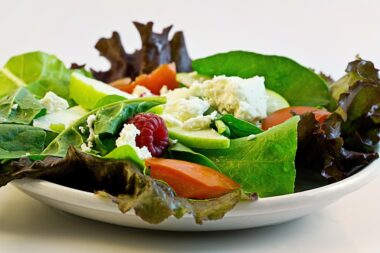
Nutrition plays a vital role in the performance and recovery of martial arts practitioners. It is crucial not only to fuel the body for training and competitions but also to enhance recovery times and overall well-being. A balanced diet rich in macronutrients—proteins, carbohydrates, and fats—is essential for consistent and peak performance. Proteins help repair tissues and build muscle, while carbohydrates provide the necessary energy for training sessions.Fats, often overlooked, are critical for various bodily functions, including hormone regulation and nutrient absorption. An optimal martial arts diet should also include vitamins and minerals from fruits and vegetables to support immune function and overall health. As practitioners often face intense training, hydration needs cannot be ignored; ensuring adequate fluid intake is essential for performance and recovery. It’s recommended to seek guidance tailored to individual needs, as age, weight, and training intensity vary. Implementing proper nutrition strategies allows martial artists to attain their goals and maintain peak physical and mental condition during their journey in martial arts.
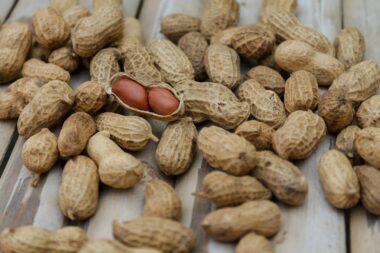
When designing a nutrition plan, martial artists must first consider their energy requirements based on training intensity and competition schedules. To maintain energy levels throughout the day, they should consume small, frequent meals rich in complex carbohydrates, lean proteins, and healthy fats. Examples include whole grain pasta, brown rice, quinoa, and beans combined with chicken, lean beef, or tofu for protein. Healthy snacks, such as nuts, fruits, and yogurt, can bridge the gap between meals while fueling energy. A post-workout meal rich in protein is also critical to assist in muscle recovery and regrowth. Consuming protein within thirty minutes after exercise can enhance muscle recovery. A good rule of thumb is to include a source of lean protein with every meal alongside a serving of carbohydrates, especially post-exercise. Furthermore, planning meals around training schedules ensures that energy levels remain high. It is also important to limit processed foods, added sugars, and excess fats, as they can hinder performance and recovery during intense training periods. By prioritizing nutrient quality and meal timing, martial artists can optimize their training outcomes.
Carbohydrate Load for Energy
Carbohydrates serve as the primary energy source for martial artists, particularly during high-intensity workouts and competitions. Therefore, a structured carbohydrate loading plan is essential when preparing for significant events or intense training weeks. This strategy involves increasing carbohydrate intake while tapering exercise a few days before an event, allowing athletes to store more glycogen in their muscles. Foods high in carbohydrates, such as pasta, sweet potatoes, and fruits, should be prioritized. It is important to balance this with appropriate protein and fats, ensuring that meals are satisfying yet not overly dense. Additionally, hydration complements carbohydrate loading; adequate fluid intake will support glycogen storage while ensuring optimal performance. Practitioners should also monitor their body’s response to carbohydrate loading since individual requirements may vary. Some may also experiment with timing, adjusting meals around their training schedule. This flexibility can lead to better fuel utilization, higher energy levels, and improved performance. Implementing such strategies can have a pronounced impact on competitive outcomes and training efficiency, enabling martial artists to excel.
Another crucial aspect of nutrition in martial arts is the role of hydration. Water is vital for optimal performance, recovery, and overall health. When training intensely, dehydration can lead to fatigue, loss of coordination, and reduced strength, all of which can impact performance adversely. Martial artists are advised to drink water consistently throughout the day, not just during training sessions. Athletes should also consider consuming electrolytes, especially during prolonged training sessions or competitions. Electrolyte-rich drinks, or even natural sources like coconut water, can be effective in replenishing lost fluids and maintain balance. It’s important to recognize the symptoms of dehydration, such as headache, fatigue, and dizziness. Assessing hydration can include monitoring urine color, aiming for light yellow as a general benchmark. Incorporating a routine of drinking water before, during, and after workouts can help ensure optimal hydration levels. By valuing hydration as part of their nutritional strategies, martial artists can enhance their performance and recovery as well as lower the risk of injury during intense training sessions.
Vitamins and Supplements
In addition to a well-balanced diet, martial artists might consider specific supplements. However, supplements should never replace whole foods but can enhance dietary intake when necessary. Multivitamins can effectively fill the nutrient gaps in one’s diet. Supplements such as omega-3 fatty acids, found in fish oil, can provide anti-inflammatory benefits that may support recovery following intense training. Creatine is another popular supplement known for increasing strength and muscle mass, which can be beneficial for martial artists. Additionally, protein powders can be a convenient option to meet protein requirements, especially following workouts when a quick boost is needed. It’s critical to consult with a healthcare provider or a sports nutritionist before starting any supplement regimen to ensure they are appropriate for one’s individual needs and goals. Supplements may interact with medications or may not suit everyone. Prioritizing nutrition from whole food sources is vital as supplements should support, not substitute, a complete diet. This balanced approach aids in achieving enhanced performance and effective recovery for martial artists, allowing them to reach their goals sustainably.
Meal preparation is another fundamental aspect of a martial artist’s dietary strategy. With busy training schedules, planning meals in advance helps athletes maintain nutrition consistency and quality. Incorporating batch cooking for meals can save time and ensure that athletes have healthy, nutritious options readily available. When preparing meals, opting for nutrient-dense ingredients provides sustained energy and assists recovery. Utilizing simple recipes that can be easily modified helps keep meals interesting while fulfilling specific dietary needs. Tools like meal prep containers make storing and transporting food easier for athletes who train outside their home. Preparing healthy snacks such as protein bars or vegetable sticks with hummus can offer quick boosts of energy throughout the day. Knowing which foods aid performance versus those that hinder it becomes vital. Athletes should experiment with meals to discover what works best for their body, training intensity, and preferences. Ultimately, focusing on proper meal preparation and planning leads to greater success in training and competitions, supporting individual performance goals.
Conclusion: Fueling the Journey
Nutrition is foundational for anyone serious about martial arts. Implementing the strategies discussed—carbohydrate management, hydration, supplementation, and effective meal prep—will provide the fuel needed for exceptional performance and recovery. As each athlete is unique, tailoring these recommendations to fit individual needs is crucial to success. The devotion to maintaining a balanced diet will translate into improved training sessions and competitive outcomes. Regularly reassessing dietary habits and being willing to adjust based on training demands and personal goals is an essential part of the process. Increasing awareness of nutritional strategies empowers martial artists to fuel their bodies appropriately for various challenges, whether in training or competition. Embracing the importance of nutrition often leads to enhanced physical and mental resilience. With commitment and knowledge, athletes can unlock their full potential, ensuring a sustained journey in their martial arts endeavors. Ultimately, a proper nutrition plan becomes an essential ally alongside rigorous training, creating a solid foundation for lifelong martial arts practice and success.