
How to Use Resistance Bands with Correct Form
Resistance bands are versatile and effective tools for strength training, but using them with the correct form is essential for maximizing benefits and preventing injury. Begin your exercise session by choosing the appropriate resistance band for your fitness level. Band resistance can vary widely, offering many options for novice to advanced users. Always ensure that the band you select provides enough tension to challenge your muscles without straining them excessively. Next, examine your exercise setup. Proper positioning is critical; anchor the band securely to avoid slips during movements. You can attach resistance bands to heavy furniture or specialized anchors. It’s important to maintain control and keep the movement smooth as you exercise. Focus on slow, deliberate motions rather than quick, jerky movements. This control maximizes muscle engagement and improves coordination. Lastly, keep your body in proper alignment. Ensure your back remains straight, shoulders are down and relaxed, and core is engaged. Also, remember to breathe; exhale during exertion and inhale during recovery. Following these guidelines will promote a safe and effective training experience, enhancing your overall workout success.
Understanding Resistance Bands
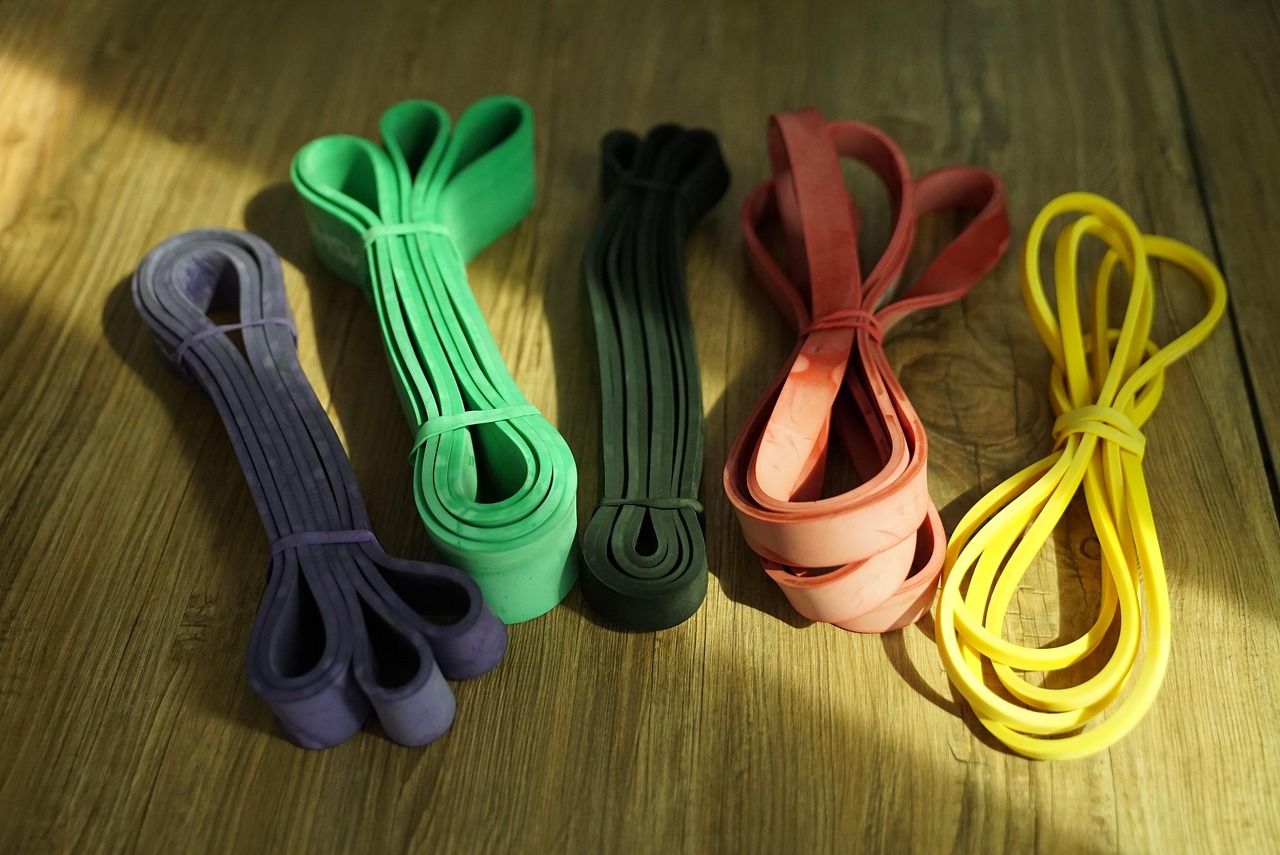
Resistance bands come in various types and are made from different materials, each providing unique benefits and functionalities. The most common resistance bands include tube bands, loop bands, and flat bands. Tube bands typically feature handles at the ends and are great for various upper and lower body exercises. Loop bands, known as mini bands, can be used around the thighs or ankles and are excellent for targeted exercises, especially for the lower body. Flat bands are versatile but usually require more attention to manage their positioning during workouts. When selecting a band, consider the resistance level indicated on the packaging. Most bands will display different color codes corresponding to their resistance, allowing you to progress as you become stronger. Additionally, familiarize yourself with the band’s elasticity; this will help you to understand how much stretch is safe for your workouts. Always ensure you inspect your bands for wear and tear before use, as damaged bands can snap, posing potential risks. Remember to store your bands properly when not in use, avoiding exposure to extreme temperatures or sunlight to prolong their lifespan.
Warm-up exercises are vital before engaging with resistance bands to prepare your muscles and joints for activity. A good warm-up can improve circulation, enhance flexibility, and reduce the risk of injury. Begin with some dynamic stretches incorporating your entire body; arm circles, leg swings, or torso twists can effectively raise body temperature and pulse rate. Consider performing some light aerobic activity, such as jogging in place or skipping, to promote muscle elasticity in preparation for your workout. After completing your warm-up, familiarize yourself with the specific exercises you plan to do with the resistance bands. Visualize each movement to ensure clarity on technique and form. This mental preparation can significantly enhance your focus and performance during your session. Always remember to cool down after your workout, too; cooling down aids in recovery and helps prevent soreness. Stretch the targeted muscles gently, focusing on lengthening and loosening them. Wrap up your workout by reflecting on what you did right and where improvements could occur, maintaining a growth mindset to improve your future performance in resistance band training.
Key Techniques for Resistance Band Exercises
When utilizing resistance bands, adhering to key techniques can vastly improve exercise effectiveness. First, start with the correct posture; this means standing or sitting tall with your chest elevated and shoulders back. A stable base enhances balance and strength, which is particularly important during dynamic movements. Engage your core for additional stability, ensuring it remains active throughout the exercise. As you execute each movement, focus on slow and controlled actions, as this helps to build strength rather than relying solely on momentum. Additionally, always maintain tension in the band; this not only ensures continual resistance but also engages your muscles effectively. Do not allow the band to become slack at any point during exercises, as this can decrease muscle activation. It can be beneficial to incorporate both concentric and eccentric movements into your routine; for example, slow down the release after a press or a pull. These varied tempos will engage different muscle fibers and enhance training adaptations. Lastly, ensure your breathing remains steady; exhale during effortful phases of the movement and inhale during the recovery phase, maintaining a rhythm that aligns with your movements.
Tracking your progress with resistance bands can significantly enhance your workout efficacy and motivation. Documenting your workouts will show your improvements over time and help you make adjustments to your routine as needed. Consider using a workout log or mobile app to record details of your sessions, including the exercises performed, resistance level used, and the number of repetitions and sets completed. Regularly reviewing your entries can provide insight into how your strength and endurance are developing, leading to informed decisions when it comes to increasing resistance or trying new exercises. Furthermore, periodic testing of your maximum resistance level can guide your training plan adjustments. This may involve evaluating how many repetitions you can complete at your current resistance before reaching muscle fatigue. Once you can perform your desired number effortlessly, it may be time to progress to a higher resistance band. It’s essential to celebrate your milestones and achievements, regardless of how small they may seem. Such celebrations can motivate you to continue your fitness journey with enthusiasm, fostering a positive relationship with exercise and improving overall fitness.
Incorporating Resistance Bands into Your Routine
Integrating resistance bands into your fitness regimen can enhance your workouts with versatility and effectiveness. Start by selecting a few foundational exercises that target different muscle groups such as biceps, triceps, shoulders, legs, and glutes. Common exercises include banded squats, chest presses, and rows, which effectively stimulate growth and strength. Additionally, incorporating unilateral movements, such as single-arm rows or single-leg presses, helps in balancing muscle development and prevents imbalances. To add variety to your routine, consider altering the anchor points or body positioning with every session; this enables you to work the muscles differently, promoting overall muscle engagement and growth. As you become familiar with these exercises, experiment with circuit training by combining several movements for a comprehensive and effective routine. This method not only maximizes workout efficiency but can also keep your sessions enjoyable and dynamic. Most importantly, listen to your body; if you feel fatigued or experience pain, pause and assess your form or take a recovery day if necessary. By consistently implementing resistance bands into your workouts, you’ll cultivate a stronger, more resilient physique over time.
Maintaining proper equipment care for your resistance bands ensures longevity and optimal performance during workouts. After each use, inspect your bands for any signs of wear such as tears or frays, as these can compromise safety and effectiveness. If any defects are found, do not attempt to continue using the band; instead, replace it to avoid injury. Clean your bands regularly with a mild soap solution and soft cloth to remove sweat and grime, as this practice prevents deterioration. It’s also prudent to check for mold growth if you store bands in humid environments. Proper storage is equally important; keep your bands in a cool and dry area, ideally out of direct sunlight, to preserve their elastic properties. Additionally, avoid twisting them into knots, as this can create pressure points leading to breakage. NEver use resistance bands on surfaces that can cause friction, as this can wear them down. By establishing a consistent routine for care and storage, you’ll enhance your resistance band’s life and performance, ultimately leading to a more effective training experience.