
Comparing the Leading Voice-Activated Fitness Devices in 2024
Voice-activated fitness devices are becoming essential tools for fitness enthusiasts. In 2024, numerous advanced options specifically cater to needs across all skill levels. These devices integrate cutting-edge technology that enhances workouts with features such as personalized coaching, progress tracking, and real-time feedback. A wide variety of brands and models offer distinct capabilities that support both beginners and experienced athletes alike. Users benefit from voice recognition, allowing them to access important information seamlessly while exercising. This hands-free operation encourages a safer workout experience as it eliminates the need to juggle devices or screens while focusing on form and performance. Furthermore, many voice-activated devices connect with other fitness gadgets to provide a holistic approach to health monitoring. The focus shifts from just physical activity to overall wellness. In the following sections, we will explore the best options available, weighing their features, strengths, and weaknesses in functionality. Whether you’re searching for a comprehensive fitness assistant or something designed for particular exercise routines, the perfect match is likely among the leading devices in today’s fitness gadget market.
When evaluating voice-activated fitness devices, several key features come into play that influence user experience and effectiveness. Battery life is one crucial aspect; high-performing devices should last long enough to support numerous workouts without frequent recharging interruptions. Another essential feature is compatibility with popular fitness apps and platforms, allowing seamless integration for tracking progress and analyzing results. Sound quality is equally important, as clear audio feedback can enhance coaching and notifications during practices. Ease of use, such as an intuitive voice interface, significantly impacts user satisfaction, especially in real-time situations. Furthermore, users should consider the size and weight of the devices; portability can greatly affect exercising schedules and locations. Additional considerations include the design and aesthetic, as users may prefer products that match their style while still providing functionality. Also, affordability cannot be ignored; potential buyers often look for devices that offer excellent value without compromising quality. Consequently, this detailed analysis will help users navigate the crowded landscape of fitness technology and select the right device for their unique fitness journey.
Top Voice-Activated Fitness Devices to Consider
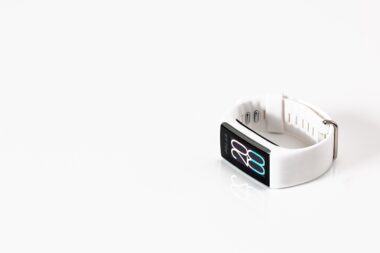
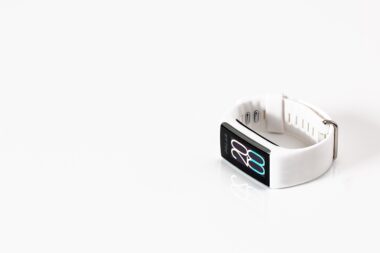
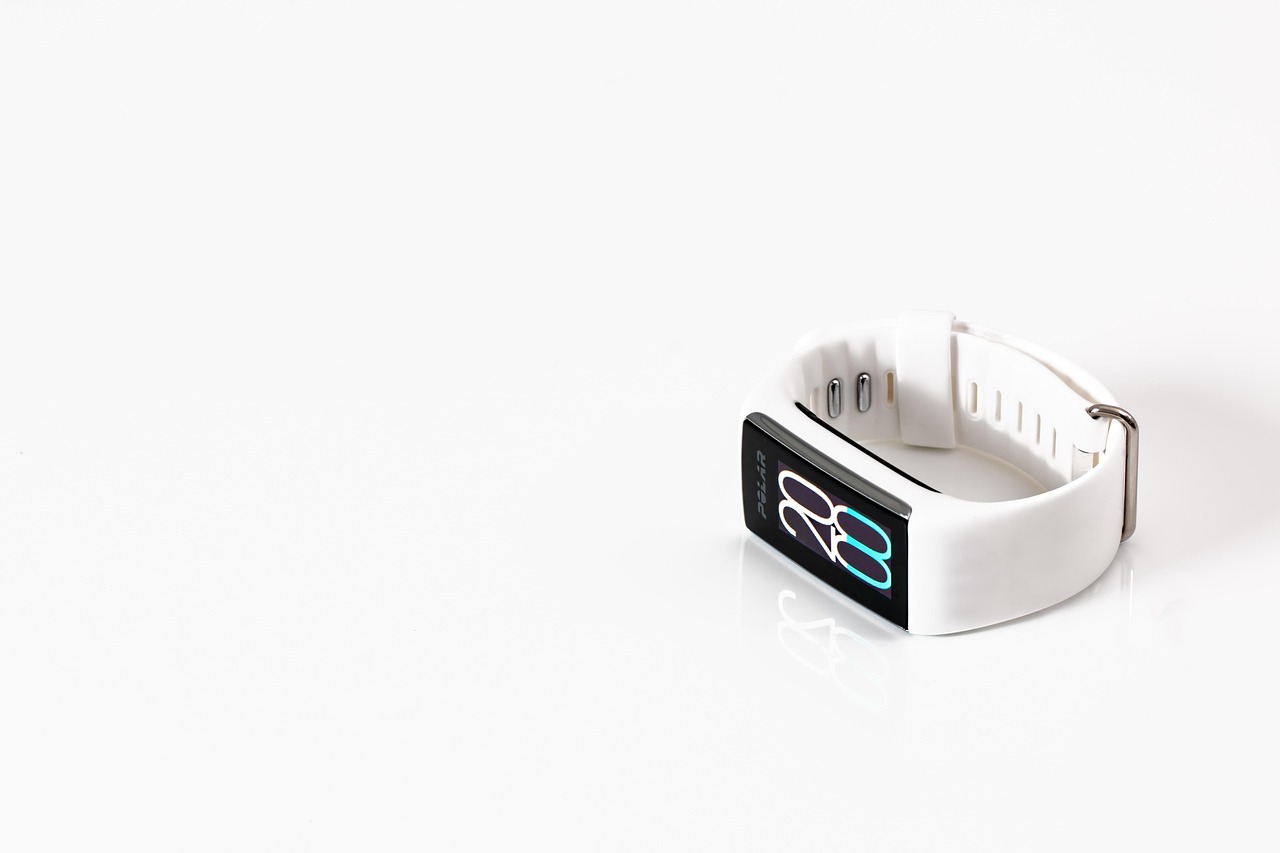
Among the top voice-activated fitness devices in 2024, the Fitbit Versa 4 stands out for its advanced voice assistant features and solid health tracking capabilities. With built-in Alexa support, users can enjoy hands-free functionality while also accessing comprehensive fitness metrics, including heart rate monitoring and sleep quality analysis. This smartwatch delivers well-rounded performance and easy integration with other apps. Likewise, the Garmin Venu 2 continues to be a popular choice for its GPS capabilities and vibrant display, exemplary for outdoor workouts. Its voice command feature enables users to manage workouts effortlessly, while still offering compatibility with numerous health-focused applications. Another notable device is the Polar Ignite 3, renowned for its unique training load insights and personalized guidance. It boasts advanced heart rate tracking using wrist sensors, encouraging smart fitness adjustments in real-time. Each of these devices presents a range of functionalities that cater to a variety of fitness goals, forming a solid foundation for informed purchasing decisions and optimal workout experiences.
In the pursuit of voice-activated fitness devices, it’s vital to not overlook the value of customer support and warranty options provided by manufacturers. A dependable support system ensures that users can resolve any issues that may arise, which is crucial for maintaining their fitness regimen. Companies like Apple and Samsung have established comprehensive customer service options, facilitating easy returns or replacements when necessary. Additionally, firmware updates play a critical role in maintaining device performance and adding new features. Products with regular updates keep up with emerging trends and user feedback, enhancing customer satisfaction and loyalty. Furthermore, community engagement through brands creates informed user bases; those who participate in forums or social media groups share experiences and tips that benefit everyone. The importance of a strong customer support presence cannot be underestimated, as it drives consumer trust and relationships, ultimately leading to brand loyalty. Therefore, selecting a device with robust support and active engagement enhances the overall user experience and fosters long-term satisfaction.
The Importance of Customization
Voice-activated fitness devices frequently offer customization options, catering to individual preferences and helping each user optimize their fitness journey. Users can tailor workout plans, select preferred coaching styles, and even adjust voice commands for specific actions, enhancing the user experience. This level of personalization empowers users to take charge of their training and ensures that the device meets their specific needs. Moreover, adapting goals and recommendations based on user progress keeps fitness routines engaging while promoting achievable targets. In addition, many devices now provide user-driven content, offering lessons and exercises suited to various skill levels, ensuring inclusivity in training processes. Furthermore, incorporating user feedback allows manufacturers to continuously improve devices and software, fostering a cycle of innovation and refinement. Customization ultimately leads to better adherence to fitness goals, establishing a direct correlation between user satisfaction and overall performance. By addressing diverse needs, devices become more than simple assistants; they transform into integral parts of users’ training experiences and lifestyles.
When exploring the future of voice-activated fitness devices, it’s interesting to note the growing trend of incorporating AI technology. Artificial Intelligence algorithms can predict user needs and adapt suggestions based on workout patterns, ensuring more personalized experiences. This evolution can significantly improve accountability and motivation as AI systems analyze data and deliver tailored recommendations that respond to users’ progress. Besides offering personalized coaching, AI-assisted devices can also integrate social features that promote community support and shared goals, ultimately enhancing user engagement. By examining how users interact with their devices, manufacturers can harness these insights to develop new features and upgrade existing attributes. Furthermore, as voice technology advances, an ever-expanding array of integrations with smart home devices may redefine fitness training environments, promoting an interactive workout landscape. The inclusion of AI technology revolutionizes user experiences, making them feel actively involved while also serving to bring fitness communities together. Overall, the future of voice-activated fitness devices promises not only technological advancements but profound transformations in how users approach their overall wellbeing.
Conclusion: The Future of Voice-Activated Fitness Devices
In conclusion, the evolution of voice-activated fitness devices promises a bright future, significantly impacting user experiences and fitness outcomes. As technology advances, these devices will likely become even more sophisticated, incorporating enhanced features that address evolving fitness needs. With promising benefits like tailored coaching, improved accessibility, and seamless integration with other devices, users are primed to achieve their fitness goals more effectively than ever. The continued demand for personalized experiences has driven innovation in this market, sparking creativity among manufacturers who strive to stay ahead of trends. Furthermore, as health and fitness priorities become increasingly prevalent in society, the role of these devices will expand to include holistic wellness approaches that encompass mental and emotional health. The saturation of voice-activated fitness devices in 2024 heralds the beginning of a new era in fitness technology, where users can monitor and enhance their overall health with unprecedented ease. Buyers should stay informed while making selections that suit their specific needs; a well-chosen device can profoundly influence one’s fitness journey and overall wellbeing.
As we conclude this exploration of the leading voices in fitness technology, it’s clear that the landscape of fitness devices is rapidly transforming. With a heightened focus on user experience and advancing technology, the future looks promising for those seeking support in their fitness journeys. Brands competing in this saturated marketplace must emphasize innovation and adapt to consumer feedback to create the best products, ensuring sustainability and continued relevance. As these devices evolve, they will undoubtedly redefine the thresholds of functionality, integrating with other smart technologies, and setting new standards for how fitness objectives are achieved. Users are encouraged to remain vigilant and selective when choosing devices, as careful consideration will yield optimal results from their investments. Sound decisions can lead to significant improvements in physical performance and overall health, allowing individuals to thrive in their fitness pursuits. Ultimately, the transition towards advanced voice-activated fitness devices signifies a wider acceptance of technology in daily health practices. The harmony of fitness and technology can reshape perceptions around personal health challenges, forming healthier futures for all.