
Beginner’s Guide to Cardiovascular Endurance
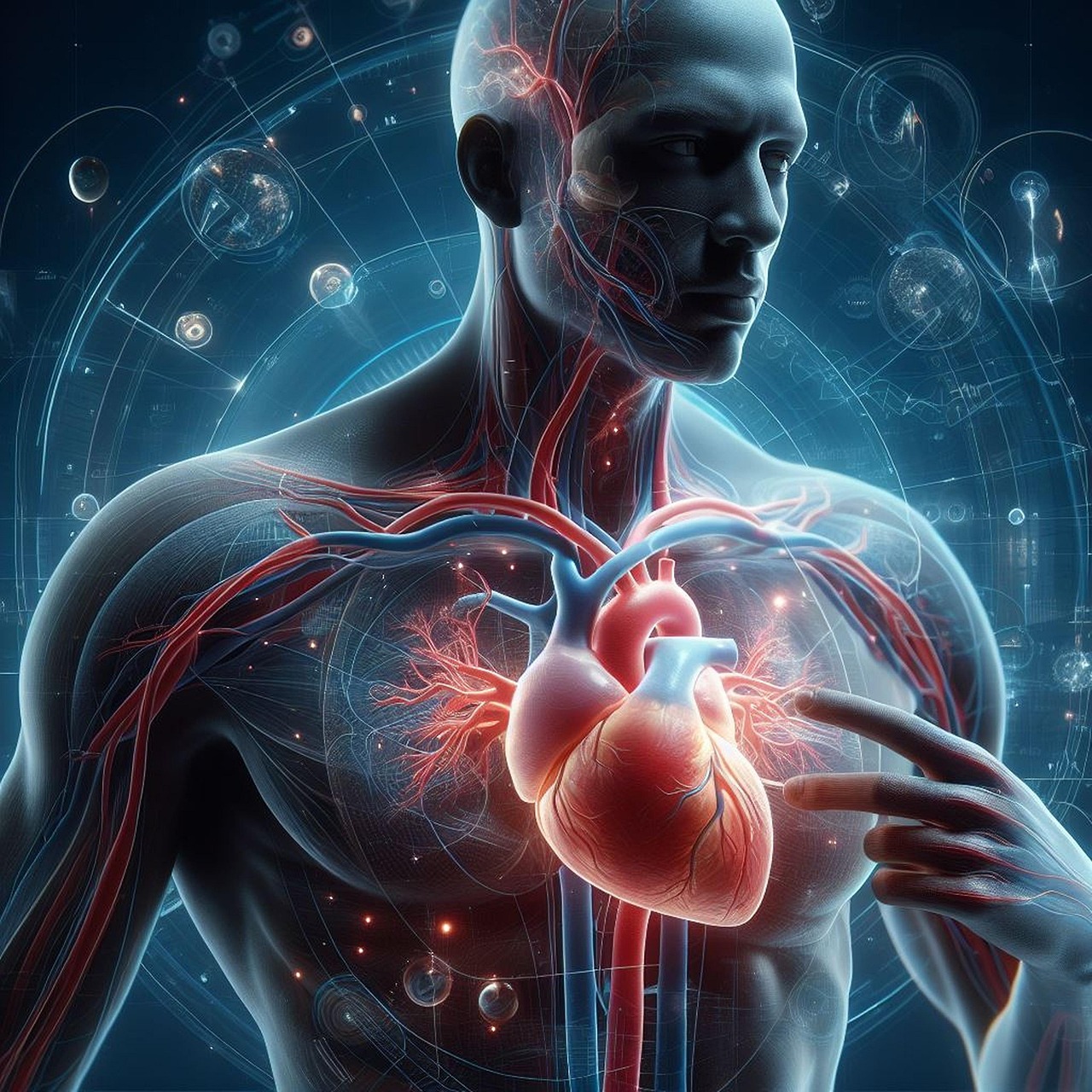
Cardiovascular training is essential for improving overall fitness and endurance. It refers to any exercise that raises your heart rate and activates your circulatory system. Regular cardio workouts enhance lung capacity and oxygen usage efficiency in your body. There are various forms of cardiovascular exercises, including running, cycling, swimming, or aerobic classes. Each offers unique benefits and can be tailored to fit individual preferences. As a beginner, it is crucial to gradually build your endurance levels to avoid burnout or injury. Most experts suggest starting with low-intensity workouts to allow your body to adapt. This will help develop the necessary strength and stamina for more demanding activities in the future. One of the primary goals of cardiovascular training is to boost your endurance, making everyday tasks easier and more enjoyable. You may experience numerous health benefits, including reduced risk of chronic diseases, improved mental well-being, and enhanced sleep quality. By establishing a consistent training schedule, you will create positive habits that benefit your overall lifestyle. In the following paragraphs, we will explore various aspects of cardiovascular training, including techniques, strategies, and tips.
Understanding Cardiovascular Endurance
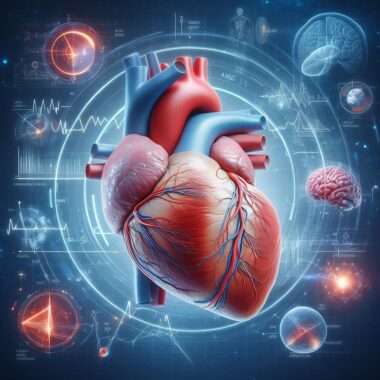
Having a solid understanding of cardiovascular endurance is vital for maximizing your training efforts. Cardiovascular endurance refers to your body’s ability to efficiently transport oxygen to working muscles during prolonged physical activity. When you engage in cardiovascular exercises consistently, you can increase your heart’s efficiency. This means that your heart can pump more blood with each beat, subsequently allowing you to exercise for longer periods without fatigue. One way to measure your cardiovascular fitness is by assessing your resting heart rate. A lower resting heart rate generally indicates better cardiovascular fitness. Regular monitoring can help you track improvements. Additionally, understanding the different heart rate zones can guide your training intensity based on your fitness goals. It’s essential to choose exercises that you enjoy, as this increases adherence to your routine. Group classes or exercise apps can add a social component that may enhance motivation. Remember to incorporate a variety of aerobic activities for a well-rounded program. This helps to avoid plateauing. The journey to improved cardiovascular endurance may be challenging, but the rewards are immense.
When starting your cardiovascular training, setting realistic goals is crucial. Identify what you want to achieve and create a plan that aligns with your aspirations. For instance, if you aim to participate in a 5K race, begin with shorter distances and gradually increase your mileage. Similarly, if weight loss is your goal, consistently incorporating cardiovascular exercises into your regimen will be beneficial. Keep in mind, however, that nutrition plays a significant role in achieving these goals. Pay attention to your dietary habits and ensure you fuel your body with nutrient-dense foods. Moreover, consider incorporating cross-training into your routine; it can decrease the risk of injury and improve overall fitness. Examples include strength training or flexibility exercises. Listening to your body is essential, too; don’t hesitate to adjust your training program based on what your body communicates. Recovery days are just as important as workout days, as they allow your muscles to heal and adapt. Stay hydrated and maintain a balanced diet. By consistently working towards your goals and adjusting as needed, you’ll notice significant improvements over time.
Types of Cardiovascular Exercises
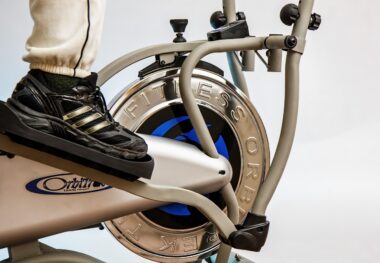
There are numerous types of cardiovascular exercises, allowing you to choose those that will keep you engaged and motivated. Some popular options include running, cycling, swimming, jumping rope, and using cardio machines like treadmills or ellipticals. Each form of exercise has its unique benefits. For instance, running is an excellent way to improve lower body strength and cardiovascular endurance simultaneously. Alternatively, cycling can be a lower-impact option for those concerned about joint health. Swimming is another great full-body workout that is gentle on the joints while providing an intense cardio session. You can also consider high-intensity interval training (HIIT) for a more time-efficient workout. HIIT alternates short bursts of intense activity with periods of rest, effectively challenging your cardiovascular system. Regardless of the type of exercise you choose, ensuring variety in your routine is key to maintaining interest and motivation. Additionally, consistency should be emphasized. Regularly engaging in your selected activities will help you stay committed to your cardiovascular training long-term.
In addition to variety and consistency, proper warm-up and cool-down routines are essential components of cardiovascular training. Warming up prepares your body for physical activity by gradually increasing heart rate and blood flow to muscles. Dynamic stretches, such as leg swings or arm circles, can enhance flexibility and mobility, which aids performance during actual workouts. On the other hand, cooling down allows your heart rate to return to normal gradually. It is crucial for helping the body recover and prevent injury. Consider incorporating static stretches at this time to promote flexibility and relaxation. Stretching post-workout can also help alleviate soreness and improve overall muscle recovery. Monitoring your progress regularly will help you stay motivated throughout your cardiovascular journey. Track your workouts, distances, and any other relevant metrics, and celebrate achievements along the way. Whether it’s improving your mile time or increasing workout duration, acknowledging growth and progress is vital. As you continue to challenge yourself, don’t be afraid to embrace adjustments in your routine when necessary. Staying flexible will support your long-term fitness goals.
Nutritional Considerations for Cardio
Nutrition is a significant factor in supporting your cardiovascular training efforts. Eating a balanced diet that emphasizes whole, nutrient-dense foods is crucial for optimal performance and recovery. Consider incorporating a variety of fruits, vegetables, whole grains, lean proteins, and healthy fats. This food combination provides essential vitamins, minerals, and macronutrients to support energy levels during workouts. Pre-workout meals or snacks with carbohydrates and proteins can fuel your body before training. Some ideal options may include a banana with nut butter or oatmeal topped with berries. Post-workout nutrition is equally essential; consuming a protein-rich meal helps repair and rebuild muscles, supporting recovery. Hydration plays a critical role as well; staying adequately hydrated before, during, and after workouts is vital for maintaining performance and ensuring optimal recovery. Consumed fluids should be adjusted based on workout intensity and duration. Personalized dietary adjustments may be necessary depending on individual goals, activity levels, and preferences. Taking the time to plan meals and nourish your body will undoubtedly enhance your cardiovascular training experience.
Finally, it’s vital to remain patient and persistent as you progress in your cardiovascular training journey. Improvement in endurance, fitness, and overall health takes time and commitment. Keep a positive mindset as you encounter challenges or setbacks; these are natural in any fitness endeavor. Establishing a support system of friends, family, or workout partners can create a more enjoyable and motivating training environment. You can even consider joining local running or cycling clubs, as they provide social interaction while remaining active. Regularly test your limits and celebrate personal milestones, no matter how small. This mindset can keep you motivated and focused on your goals over the long term. Setbacks may arise, and changes in schedules can be disruptive. However, being adaptable and resilient will help you stay committed to your fitness journey. Remember that individual progress varies, and it is essential to focus on your unique path towards cardiovascular endurance. Emphasizing the positives and the accomplishments along the way will keep you engaged and excited about your training journey.